Glossary

What is Lumbar Spine?

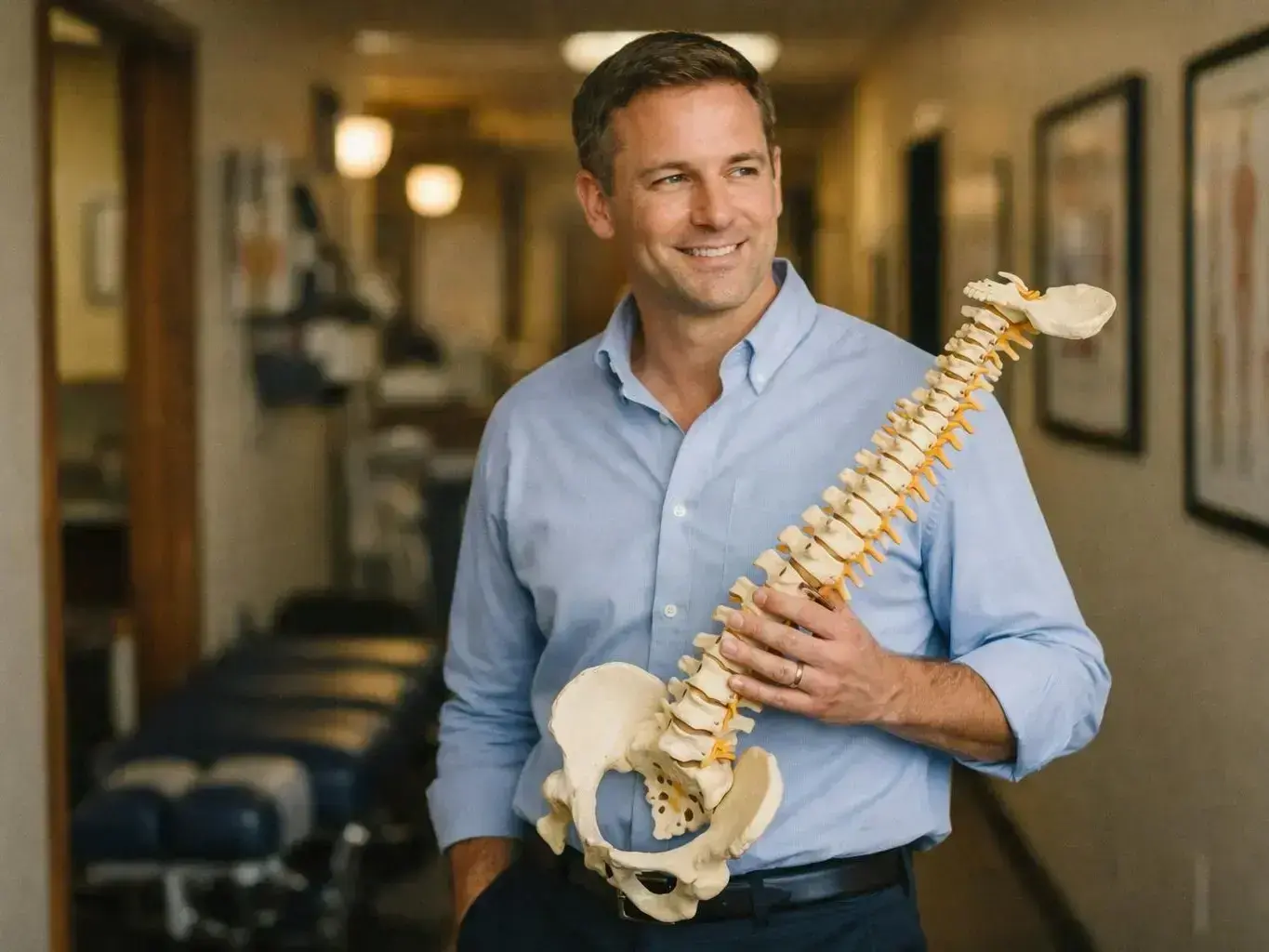
Lumbar Spine is the lower part of the spine, made up of five large vertebrae labeled L1 to L5. It supports most of the body’s weight and allows movements like bending, twisting. And lifting. The lumbar spine connects the upper body to the pelvis and legs, playing a key role in mobility and stability.

Reviewed by ChiropractorDuluth.comSources reviewed: American Chiropractic Association, National Institute of Arthritis and Musculoskeletal and Skin Diseases

Quick Facts About Lumbar Spine

Category

Spinal anatomy

Used for

Weight support and movement

Common confusion

Often mistaken for the thoracic or sacral spine

Also called

Lower back spine, Lumbar vertebrae

Often discussed with

Car Accident Injury Rehabilitation, Sports Injury Chiropractic Care

Key Takeaways About Lumbar Spine

Understanding Lumbar Spine
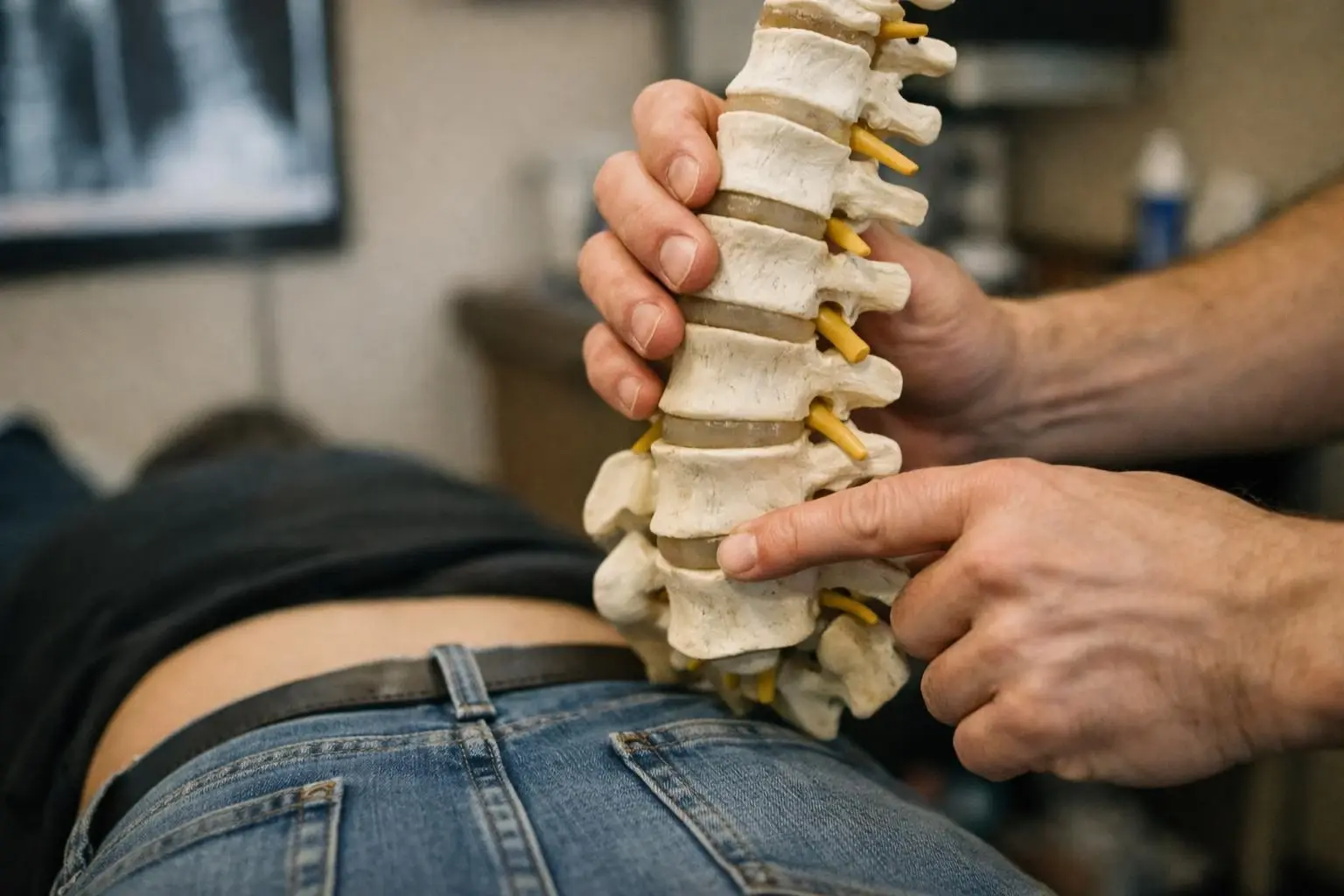
Lumbar Spine in Chiropractor: Lumbar Spine is the lower part of the spine, made up of—visual guide

The lumbar spine is the section of the spine located in the lower back, between the thoracic spine (mid-back) and the sacrum (pelvis). It consists of five vertebrae, labeled L1 through L5, which are larger and stronger than the vertebrae in the upper spine. This size and strength help the lumbar spine support the weight of the upper body while allowing flexibility for movements like bending forward, twisting. And lifting. The lumbar spine also protects the spinal cord and nerves that travel through the spinal canal.

Related glossary terms: Herniated Disc, Sciatica, Thoracic Spine.

Because the lumbar spine bears so much weight, it's a common site for pain and injury. Poor posture, heavy lifting. Or sudden movements can strain the muscles, ligaments. Or discs in this area. Over time, wear and tear can lead to conditions like herniated discs, spinal stenosis. Or degenerative disc disease. Understanding the structure and function of the lumbar spine helps in recognizing why lower back pain occurs and how to prevent it.

How the Lumbar Spine Works?

The lumbar spine works as a flexible support system for the body. Each vertebra in the lumbar spine is connected by facet joints, which allow controlled movement while preventing excessive twisting or bending. Between each vertebra lies an intervertebral disc, a cushion-like structure that absorbs shock and distributes pressure. These discs have a tough outer layer and a gel-like center, which helps them act as natural shock absorbers during activities like walking, running. Or jumping.

The lumbar spine also serves as a passageway for nerves that branch out from the spinal cord to the lower body. These nerves control muscle movement and transmit sensations like touch, pain. And temperature. When the lumbar spine is misaligned or compressed, it can irritate these nerves, leading to pain, numbness. Or weakness in the legs, a condition often called sciatica. Maintaining proper alignment and strength in the lumbar spine helps keep these nerves functioning correctly.

Why the Lumbar Spine Matters?
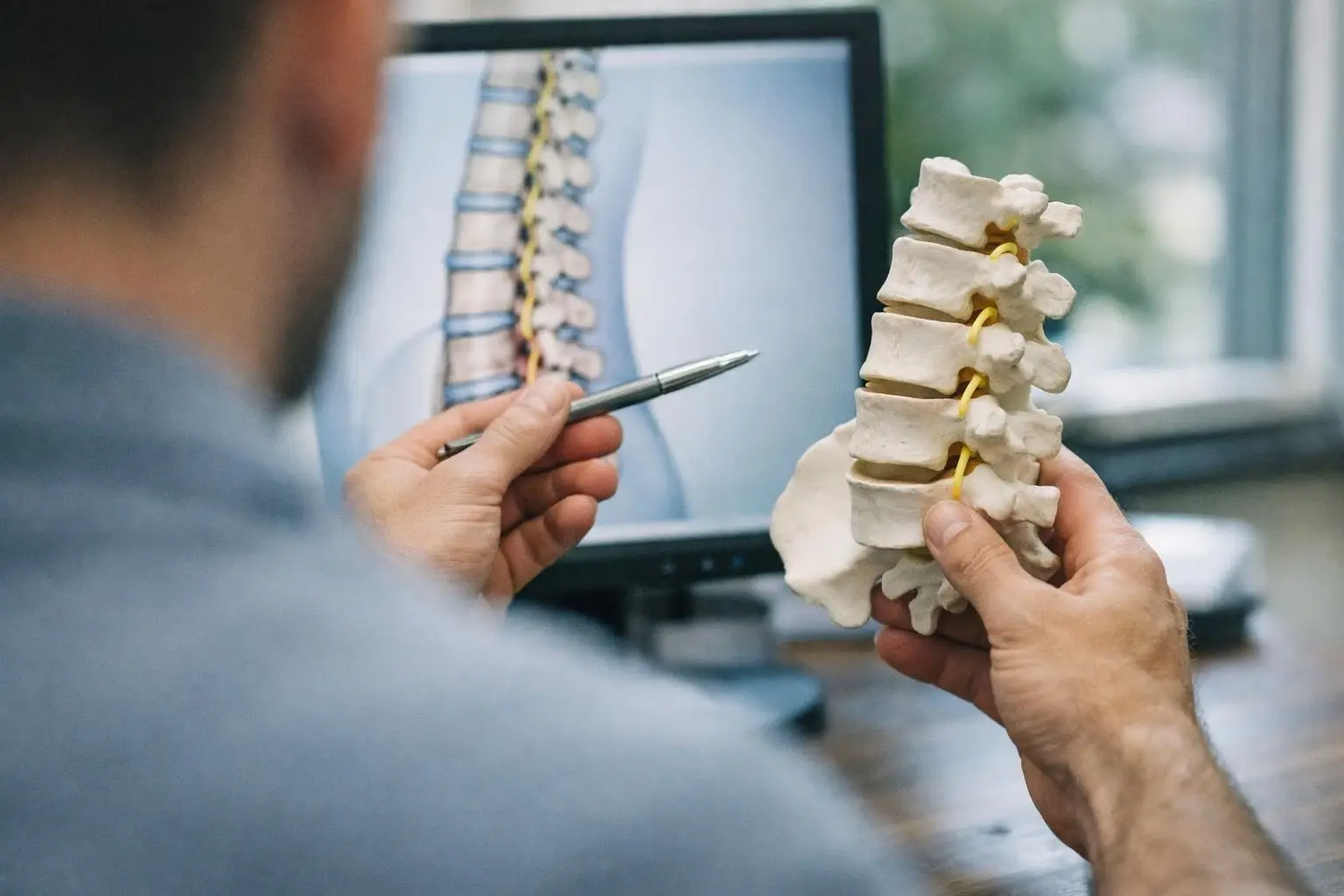
How Lumbar Spine applies to Chiropractor services in Duluth, United States—practical illustration

The lumbar spine plays a critical role in daily activities and overall quality of life. Since it supports the upper body’s weight, any dysfunction in this area can limit mobility and cause discomfort. Lower back pain is one of the most common reasons people visit healthcare providers. And it can interfere with work, exercise. And even simple tasks like sitting or standing for long periods. Keeping the lumbar spine healthy helps maintain independence and reduces the risk of chronic pain or disability.

And the lumbar spine influences posture and balance. Poor lumbar health can lead to compensatory movements, such as slouching or favoring one side of the body, which may strain other muscles or joints. Strengthening the muscles around the lumbar spine, such as the core and lower back muscles, can improve stability and reduce the risk of injury. Chiropractic care often focuses on this area to restore proper alignment and relieve pressure on nerves or discs.

When the Lumbar Spine Matters Most?

The lumbar spine becomes especially important during activities that involve lifting, bending. Or prolonged sitting. Jobs that require heavy lifting, such as construction or nursing, put significant stress on the lumbar spine and increase the risk of injury. Similarly, office workers who sit for long hours may develop stiffness or pain in the lower back due to poor posture or lack of movement. Athletes, particularly those in sports like weightlifting, gymnastics. Or football, also rely heavily on the lumbar spine for performance and are at higher risk for strains or disc injuries.

Certain life stages or health conditions can make the lumbar spine more vulnerable. Aging can lead to natural wear and tear on the discs and joints, increasing the risk of degenerative conditions. Pregnancy is another time when the lumbar spine bears extra weight, often leading to lower back pain. People with conditions like arthritis, osteoporosis. Or scoliosis may also experience more frequent or severe lumbar spine issues. Recognizing when the lumbar spine is under stress can help in taking preventive measures, such as using proper lifting techniques or seeking chiropractic care for alignment adjustments.

How to Evaluate Lumbar Spine?

Related Concepts Compared

Lumbar Spine vs. Thoracic Spine

The thoracic spine is the mid-back section of the spine, consisting of 12 vertebrae that connect to the ribs. Unlike the lumbar spine, it is less flexible but provides stability for the rib cage.

Lumbar Spine vs. Cervical Spine

The cervical spine is the neck region, made up of seven small vertebrae. It supports the head and allows a wide range of motion, unlike the lumbar spine, which is built for weight-bearing.

Lumbar Spine vs. Sacrum

The sacrum is a triangular bone at the base of the spine that connects to the pelvis. It is fused and does not move, unlike the lumbar spine, which is flexible and supports movement.

Expert Note

The lumbar spine is uniquely vulnerable to both acute injuries and chronic wear due to its role in weight-bearing and movement. Small misalignments here can have widespread effects, including nerve irritation and compensatory strain in other areas of the body.

Common Mistakes or Myths About Lumbar Spine

  • Assuming all lower back pain comes from muscle strain, ignoring potential disc or nerve issues.
  • Believing the lumbar spine has the same flexibility as the cervical spine.
  • Ignoring proper lifting techniques, which can lead to lumbar injuries.
  • Confusing lumbar spine pain with kidney or hip problems without professional evaluation.

Lumbar Spine in Practice: A Real-World Example

After lifting a heavy box incorrectly, a warehouse worker feels sharp pain in their lower back. An X-ray reveals a slight misalignment in the lumbar spine, causing pressure on a nearby nerve. Chiropractic adjustments help realign the vertebrae and relieve the pain over several sessions.

Related Services

Related Terms

Herniated Disc

Herniated Disc is a spinal condition where the soft, gel-like center of a spinal disc pushes through a tear in the disc’s tough outer layer. This bulging material can press on nearby nerves, causing pain, numbness. Or weakness in the back, arms. Or legs. Herniated discs often occur in the lower back or neck and are commonly linked to aging, injury.

Sciatica

Sciatica is sharp, shooting pain that travels from the lower back down one or both legs, caused by pressure on the sciatic nerve. This large nerve runs from the lower spine through the buttocks and down each leg. Pain often feels like burning, tingling. Or numbness and may worsen with sitting or sudden movements. Sciatica usually affects only one side of the body at a time.

Thoracic Spine

Thoracic Spine is the middle section of the human spine, located between the cervical spine (neck) and lumbar spine (lower back). It consists of 12 vertebrae labeled T1 to T12, which connect to the rib cage, providing stability and protection for the chest organs while allowing limited movement.

Cervical Spine

Cervical Spine is the uppermost part of the spinal column, consisting of seven vertebrae labeled C1 through C7. These bones support the skull, protect the spinal cord. And enable head movement. The cervical spine allows flexibility while housing nerves that control sensation and function in the arms, hands. And other areas.

Spinal Stenosis

Spinal Stenosis is a narrowing of the spaces within the spine, which can put pressure on the nerves that travel through it. This condition most often occurs in the lower back (lumbar spine) and neck (cervical spine) and is commonly caused by age-related wear and tear, arthritis. Or injury. Symptoms may include pain, numbness, muscle weakness.

ChiropractorDuluth.com

Have Questions About Lumbar Spine?

Contact ChiropractorDuluth.com for practical guidance on Lumbar Spine and related chiropractor work in Duluth.

+1 770-525-1431