Understanding Spinal Stenosis
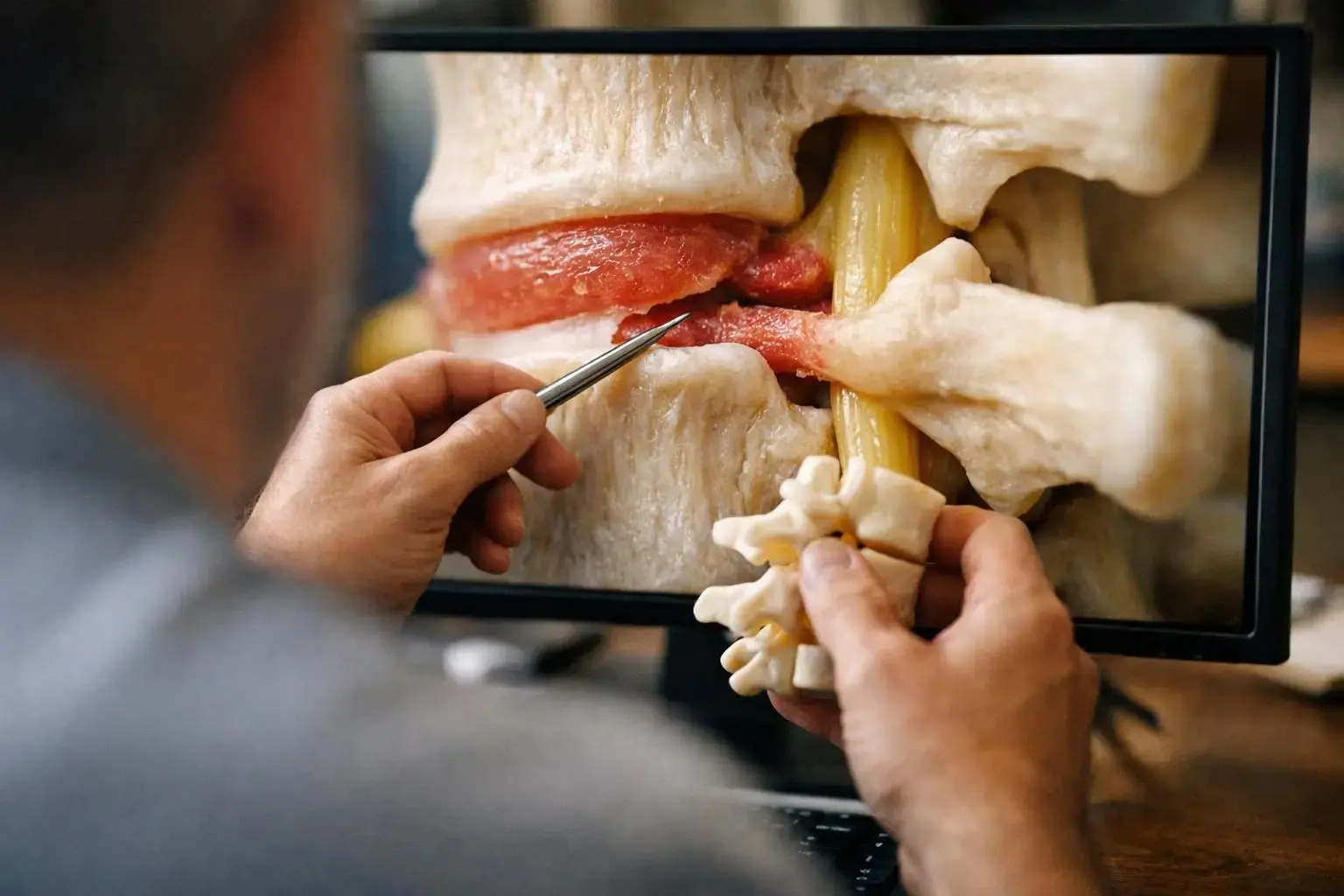
Spinal Stenosis is a problem. The spinal canal gets too narrow. Nerve openings shrink too.
This can squeeze the spinal cord. It can also squeeze nerves. That causes pain, tingling. Or weakness.
The spine has bones called vertebrae. Discs sit between them. Nerves pass through spaces there.
These spaces can shrink over time. Aging or arthritis can cause this. Other things can too.
How Spinal Stenosis Works?
Most people get Spinal Stenosis as they age. Daily wear and tear affects the spine. Bones and ligaments can thicken.
This reduces space for nerves. Some people are born with a narrow spine. They may have symptoms later.
Injuries, tumors. Or bone diseases can cause it too. But these cases are rare.
Spinal Stenosis makes spaces too tight. The spinal cord needs room. Nerves need room too.
When space is tight, nerves get pinched. This can cause pain or numbness. Weakness can happen too.
Lumbar Spinal Stenosis affects the lower back. It can cause leg pain. Leg cramps happen when walking.
Cervical Spinal Stenosis affects the neck. It can cause arm or hand symptoms. Balance problems can happen too.
Osteoarthritis is the top cause. This is when joint cartilage wears away. The body grows new bone called spurs.
Bone spurs take up space. They narrow the path for nerves. Other causes exist too.
Thick ligaments can cause it. So can herniated discs. Injuries can shift the spine.
Doctors use MRI or CT scans. These tests show the narrowing. They help confirm the problem.
Why Spinal Stenosis Matters?
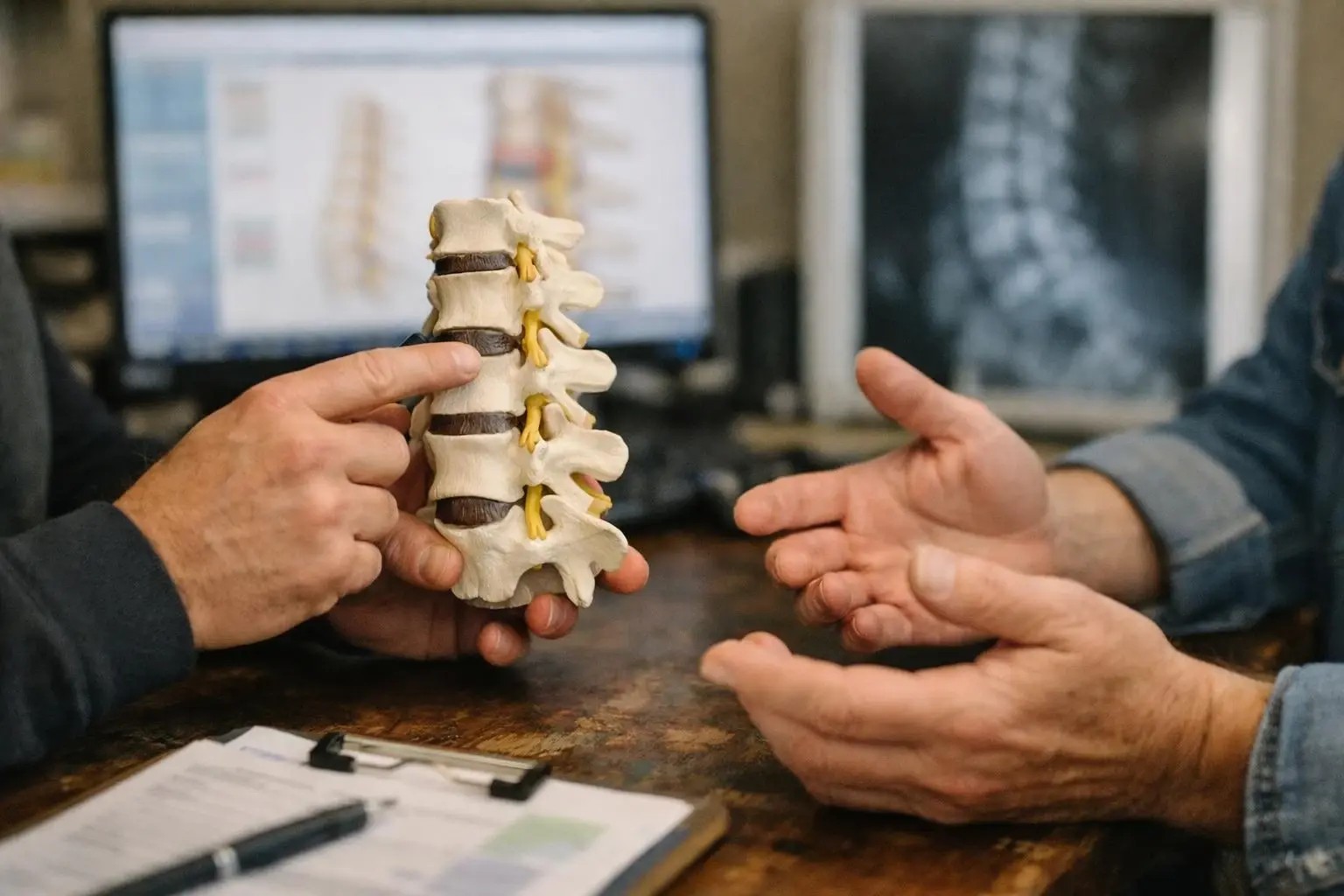
Spinal Stenosis affects daily life. Pain or numbness can make walking hard. Weakness can make standing hard.
Some people get worse over time. They may lose balance. They may lose bladder control.
Early help can manage symptoms. It can improve life quality. Without help, it can get worse.
Treatment depends on severity. Mild cases may need exercises. Pain relievers can help too.
Severe cases may need shots. Surgery can make more space. This helps the nerves.
Patients and doctors work together. They find the best plan. This helps with relief and management.
When Spinal Stenosis Matters Most?
Spinal Stenosis matters when it affects daily tasks. Leg pain when walking is a sign. Weakness when standing is too.
Numbness or tingling needs a doctor. Balance problems need one too. These can mean nerve damage.
Early help stops worse problems. It makes outcomes better.
Active people notice symptoms fast. Athletes may feel pain sooner. Construction workers may too.
Treatment keeps them moving. It stops work problems. It stops hobby problems too.
Check-ups help track the condition. Imaging tests show changes. Treatment can adjust as needed.