Understanding Cervical Spine
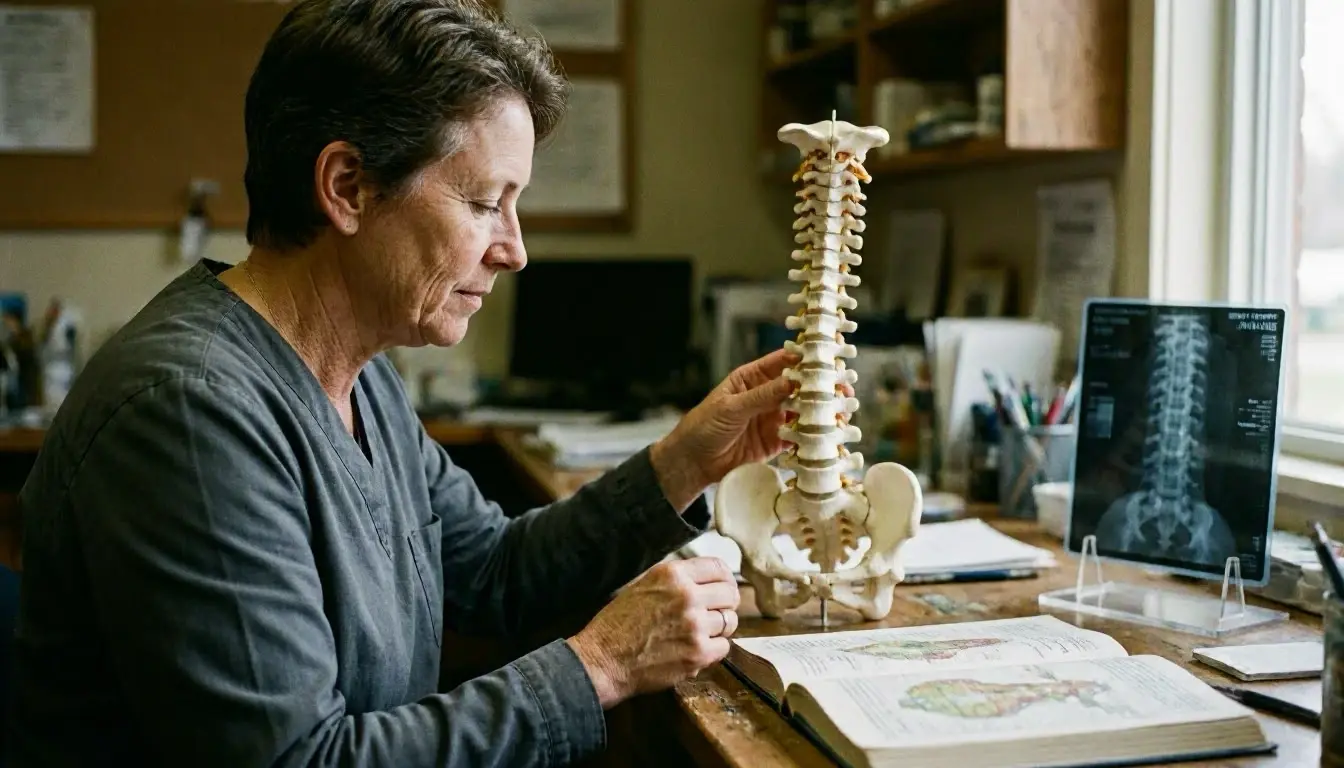
The cervical spine is the portion of the spine located in the neck. It begins at the base of the skull and extends downward to the thoracic spine, which connects to the upper back. The seven vertebrae in this region are the smallest in the spine but play a critical role in supporting the weight of the head, which averages about 10 to 12 pounds. These vertebrae are designed to allow a wide range of motion, including nodding, rotating. And tilting the head. The cervical spine also serves as a protective tunnel for the spinal cord and nerves that branch out to the shoulders, arms. And hands.
Related glossary terms: Thoracic Spine, Lumbar Spine, Herniated Disc.
Each vertebra in the cervical spine is separated by intervertebral discs, which act as cushions to absorb shock and prevent bones from rubbing against each other. The first two vertebrae, C1 (atlas) and C2 (axis), have unique shapes that enable the head to rotate and pivot. The remaining vertebrae, C3 through C7, are more similar in structure and work together to support the head’s weight and movement. Because the cervical spine is highly mobile, it's also more vulnerable to injury from sudden impacts, poor posture. Or degenerative conditions like arthritis.
How Cervical Spine Works?
The cervical spine functions as both a structural support and a conduit for nerve signals. The vertebrae are stacked in a way that creates natural curves, which help distribute the weight of the head evenly and maintain balance. The spinal cord runs through the central canal of these vertebrae. And nerve roots exit between each pair of vertebrae to send signals to different parts of the body. For example, nerves from the cervical spine control muscle movement in the shoulders, arms. And hands, as well as sensations like touch, temperature. And pain in these areas.
Movement in the cervical spine is made possible by joints between the vertebrae, called facet joints. And the intervertebral discs. These joints allow the spine to bend, twist. And extend while keeping the bones aligned. Ligaments and muscles surrounding the cervical spine provide additional stability and control. The result is when these structures are healthy, the cervical spine can move smoothly and without pain. But if the discs degenerate, the joints become inflamed. Or the muscles weaken, it can lead to stiffness, pain. Or nerve compression, which may cause symptoms like tingling, numbness. Or weakness in the arms.
Why Cervical Spine Matters?
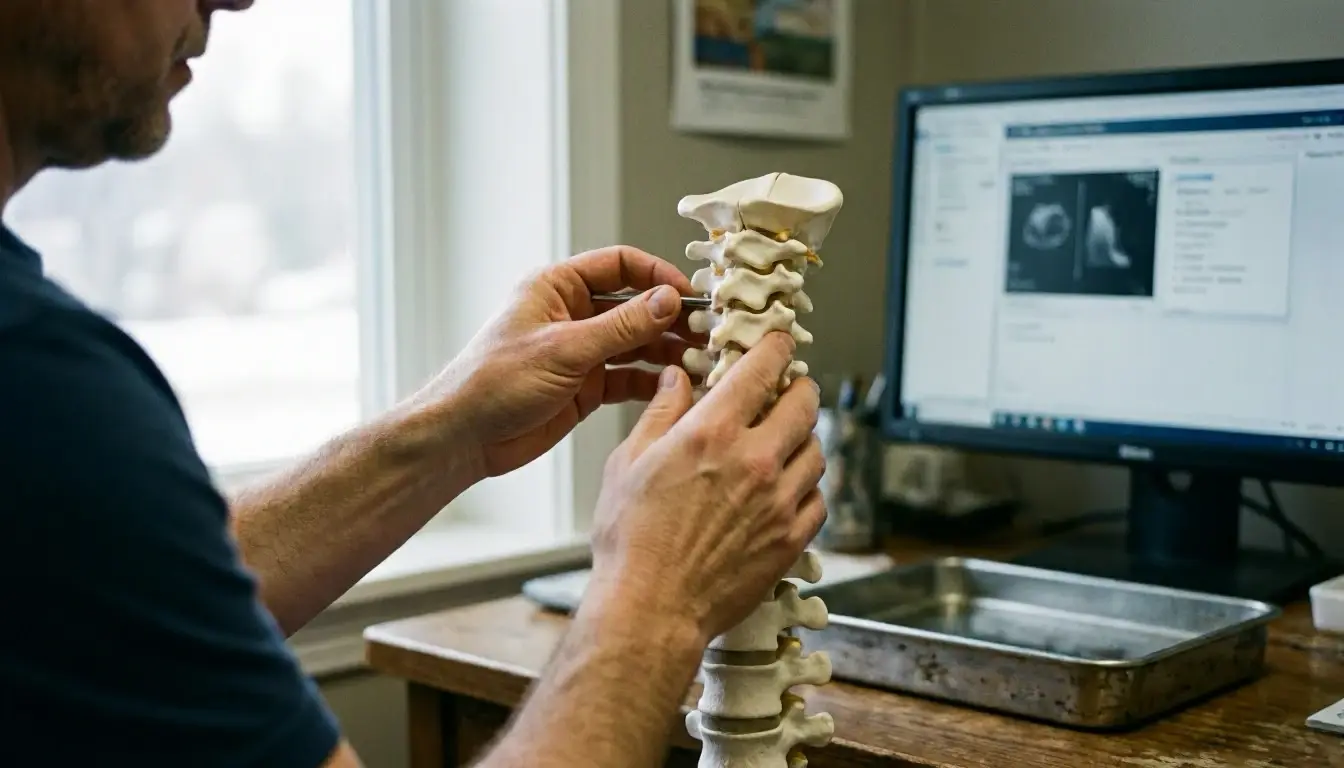
The cervical spine is essential for everyday activities and overall health. Because it supports the head and houses critical nerves, any issues in this area can affect comfort, mobility. And even basic functions like driving, working. Or sleeping. For instance, a misalignment or injury in the cervical spine can lead to chronic neck pain, headaches. Or radiating pain into the shoulders and arms. In severe cases, nerve compression in the cervical spine can cause conditions like cervical radiculopathy, where nerve roots are pinched, leading to pain, weakness. Or loss of coordination in the hands and arms.
Maintaining cervical spine health is also important for preventing long-term damage. Poor posture, repetitive strain. Or trauma—such as whiplash from a car accident—can accelerate wear and tear on the vertebrae and discs. Over time, this can lead to degenerative conditions like cervical spondylosis, which may require medical intervention. Understanding the role of the cervical spine helps individuals make informed decisions about ergonomics, exercise. And injury prevention to preserve its function and avoid discomfort.
When Cervical Spine Matters Most?
The cervical spine becomes particularly important in situations where its stability or function is compromised. For example, after a car accident, slip and fall. Or sports injury, the cervical spine may experience trauma that leads to misalignments, sprains. Or disc herniations. In these cases, symptoms like neck stiffness, headaches, dizziness. Or numbness in the arms may appear immediately or develop over time. Early evaluation and care can prevent minor issues from becoming chronic problems.
Daily habits also play a significant role in cervical spine health. People who spend long hours sitting at a desk, looking at phones. Or performing repetitive motions may develop poor posture, leading to strain on the cervical spine. Over time, this can cause muscle imbalances, disc degeneration. Or nerve irritation. And conditions like arthritis or osteoporosis can weaken the cervical spine, making it more susceptible to injury. Recognizing the signs of cervical spine issues—such as persistent pain, limited range of motion. Or neurological symptoms - can help individuals seek appropriate care before problems worsen.