Understanding Thoracic Spine
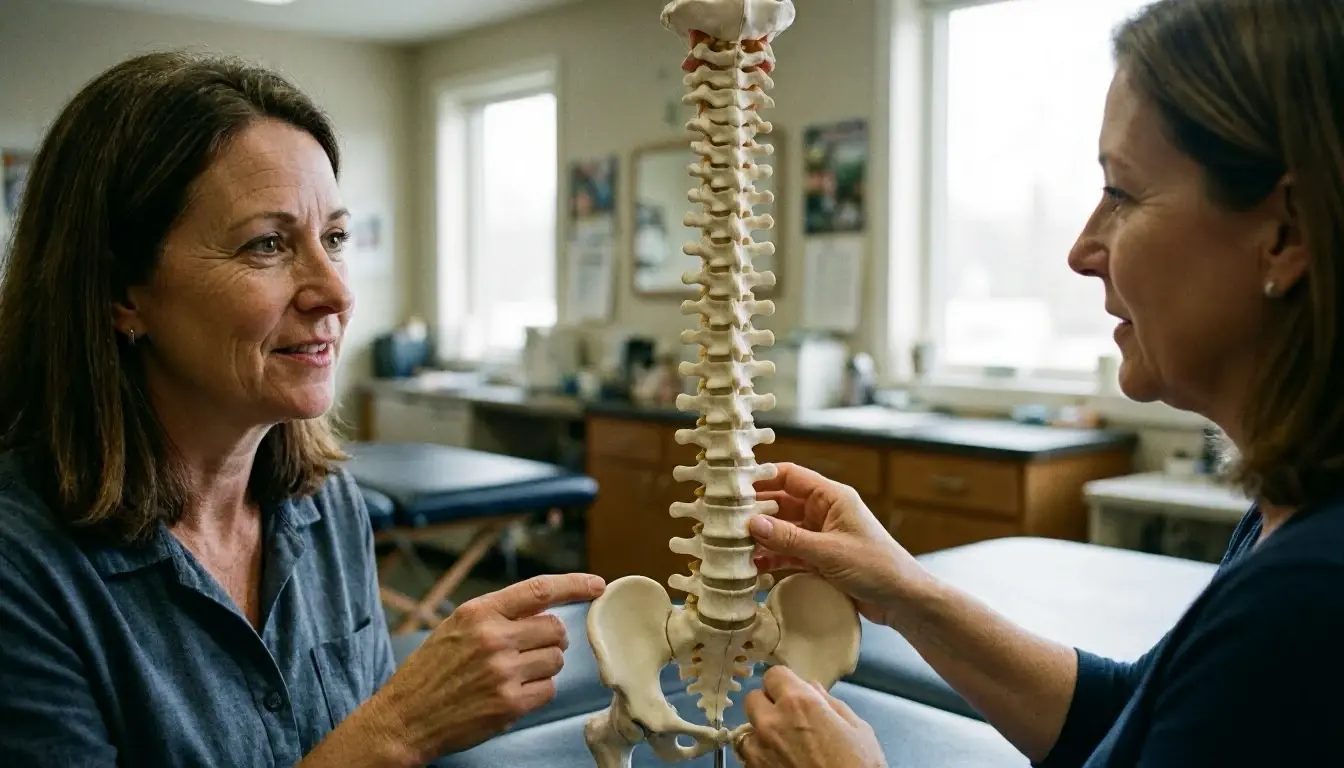
The thoracic spine is a critical part of the human spinal column, located between the cervical spine (neck) and lumbar spine (lower back). It includes 12 vertebrae, each labeled T1 through T12, which serve as attachment points for the rib cage. This connection provides structural support for the upper body while safeguarding vital organs such as the heart and lungs. Unlike the more flexible cervical and lumbar regions, the thoracic spine is designed for stability rather than extensive movement. Though it still allows for bending, twisting. And rotation.
Related glossary terms: Cervical Spine, Lumbar Spine, Scoliosis.
Each vertebra in the thoracic spine has a unique shape, with facets that articulate with the ribs. These facets form joints that enable the ribs to move slightly during breathing. The vertebrae also have small openings called foramina, through which spinal nerves pass to connect with muscles, skin. And other tissues in the chest and abdomen. Because of its role in supporting the rib cage, the thoracic spine is less prone to injury from sudden movements but can be affected by poor posture, repetitive strain. Or conditions like scoliosis.
How the Thoracic Spine Functions?
The thoracic spine works in coordination with the ribs, muscles. And ligaments to maintain posture and protect internal organs. The vertebrae are stacked on top of each other, separated by intervertebral discs that act as cushions to absorb shock and prevent bone-on-bone contact. These discs also allow slight movement between vertebrae, contributing to the spine’s overall flexibility. The ribs attach to the thoracic vertebrae at two points: the vertebral body and the transverse process, forming a protective cage around the chest cavity.
The spinal nerves that exit the thoracic spine control sensation and movement in the chest, upper back. And abdomen. For example, nerves from the upper thoracic spine (T1-T4) influence the muscles and skin of the upper chest and arms. While nerves from the lower thoracic spine (T9-T12) affect the abdominal muscles. Conditions like herniated discs or spinal stenosis in this region can compress these nerves, leading to pain, numbness. Or weakness in the affected areas. The thoracic spine also plays a role in breathing, as the ribs expand and contract with each breath, relying on the flexibility of the thoracic vertebrae.
Why the Thoracic Spine Matters?
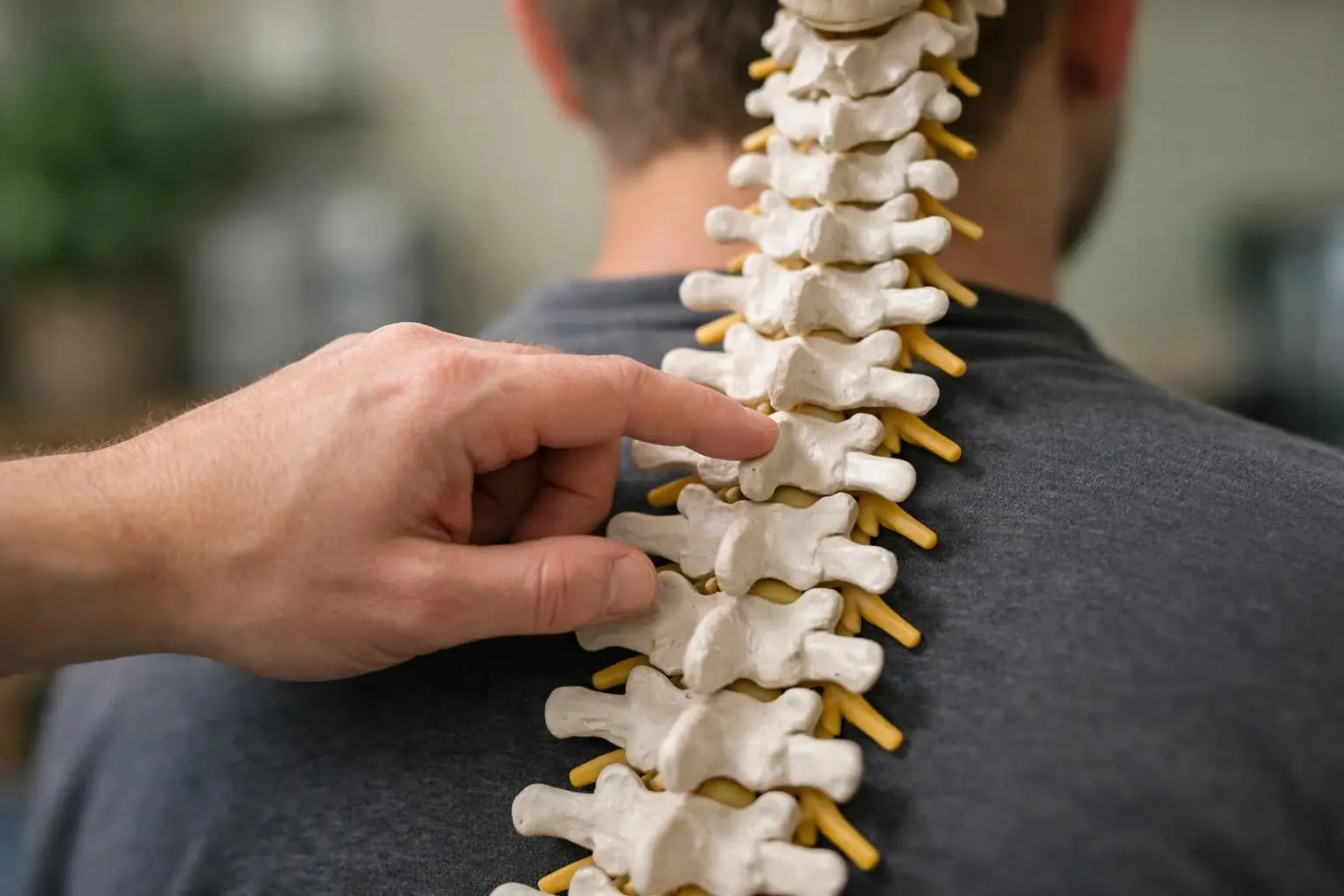
The thoracic spine is essential for maintaining an upright posture and protecting the organs within the chest cavity. A healthy thoracic spine allows for pain-free movement during daily activities, such as reaching, lifting. Or twisting. When this section of the spine is misaligned or stiff, it can lead to discomfort, reduced mobility. And even referred pain in other parts of the body. For instance, poor posture—such as slouching while sitting—can strain the thoracic spine, causing chronic upper back pain or tension headaches.
And the thoracic spine serves as a bridge between the neck and lower back, distributing forces evenly across the entire spinal column. Issues in the thoracic spine can affect the alignment of the cervical and lumbar regions, leading to secondary problems like neck pain or lower back strain. Conditions like kyphosis (excessive rounding of the upper back) or scoliosis (sideways curvature of the spine) often involve the thoracic spine and may require intervention to prevent long-term complications.
When Thoracic Spine Issues Matter Most?
Thoracic spine problems become particularly important in situations involving prolonged sitting, repetitive movements. Or trauma. Office workers, drivers. And students who spend hours hunched over desks or screens are at higher risk for thoracic stiffness and pain. Athletes, especially those in sports requiring twisting motions (like golf or baseball), may also experience thoracic spine strain due to repetitive stress. Traumatic events, such as car accidents or falls, can cause fractures or misalignments in the thoracic vertebrae, leading to acute pain or nerve-related symptoms.
Certain medical conditions also highlight the importance of thoracic spine health. For example, osteoporosis can weaken the thoracic vertebrae, increasing the risk of compression fractures. Scoliosis, a condition often diagnosed in adolescence, frequently involves abnormal curvature in the thoracic spine and may require bracing or physical therapy. Even digestive or respiratory issues can sometimes be linked to thoracic spine dysfunction, as misalignments may affect nerve function to the organs in the chest and abdomen. Regular chiropractic care or physical therapy can help maintain thoracic spine health and address minor issues before they become chronic problems.