Understanding Herniated Disc

A herniated disc is also called a slipped disc. It's also called a ruptured disc. This happens when the soft gel inside a disc leaks out.
The spine has bones called vertebrae. Between each bone is a disc. These discs act like cushions.
They absorb shock. They let your spine bend and move. Over time, discs can wear down or get hurt.
This can cause a herniation (when the disc leaks). The leaked material can press on nerves.
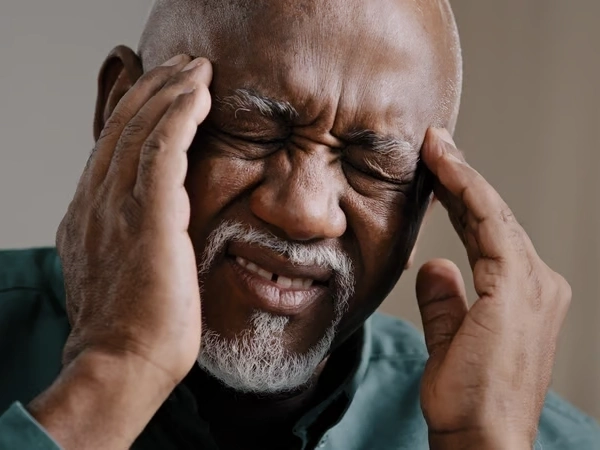
This can cause pain. It can cause tingling. It can cause weakness in that area.
Herniated discs often happen in the lower back. This area is called the lumbar spine. It carries much of your weight.
This makes it more likely to get hurt. The neck can also have herniated discs. This area is called the cervical spine.
It's lighter but moves a lot. Poor posture can strain it. Sudden moves can too.
Aging is a natural cause. Discs lose water and get stiff. Other causes include lifting heavy things wrong.
Sudden twists can cause it. So can car accidents. Smoking and obesity can raise the risk.
They harm disc health.
How Herniated Disc Is Diagnosed and Treated?
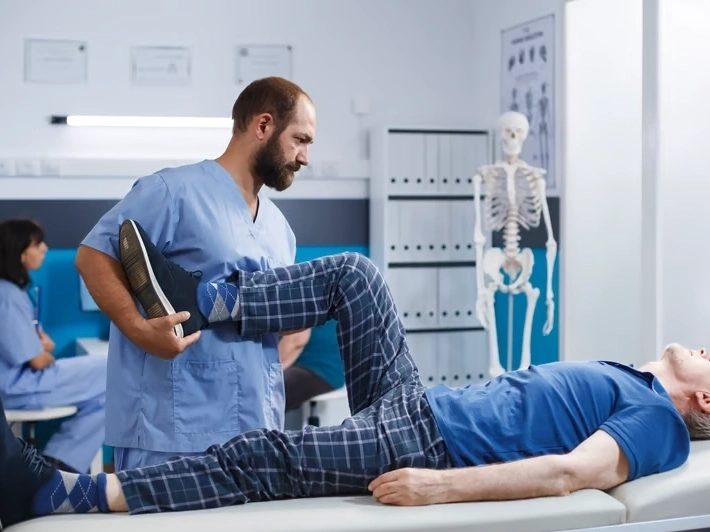
A doctor checks for a herniated disc first. They look for pain spots. They test muscle strength and reflexes.
They may ask you to move in certain ways. This shows if movement causes more pain. Tests like X-rays help confirm the problem.
MRI scans show soft tissues. This includes discs and nerves. CT scans can also help.
Most herniated discs get better without surgery. Rest and ice help. So do pain relievers you can buy at the store.
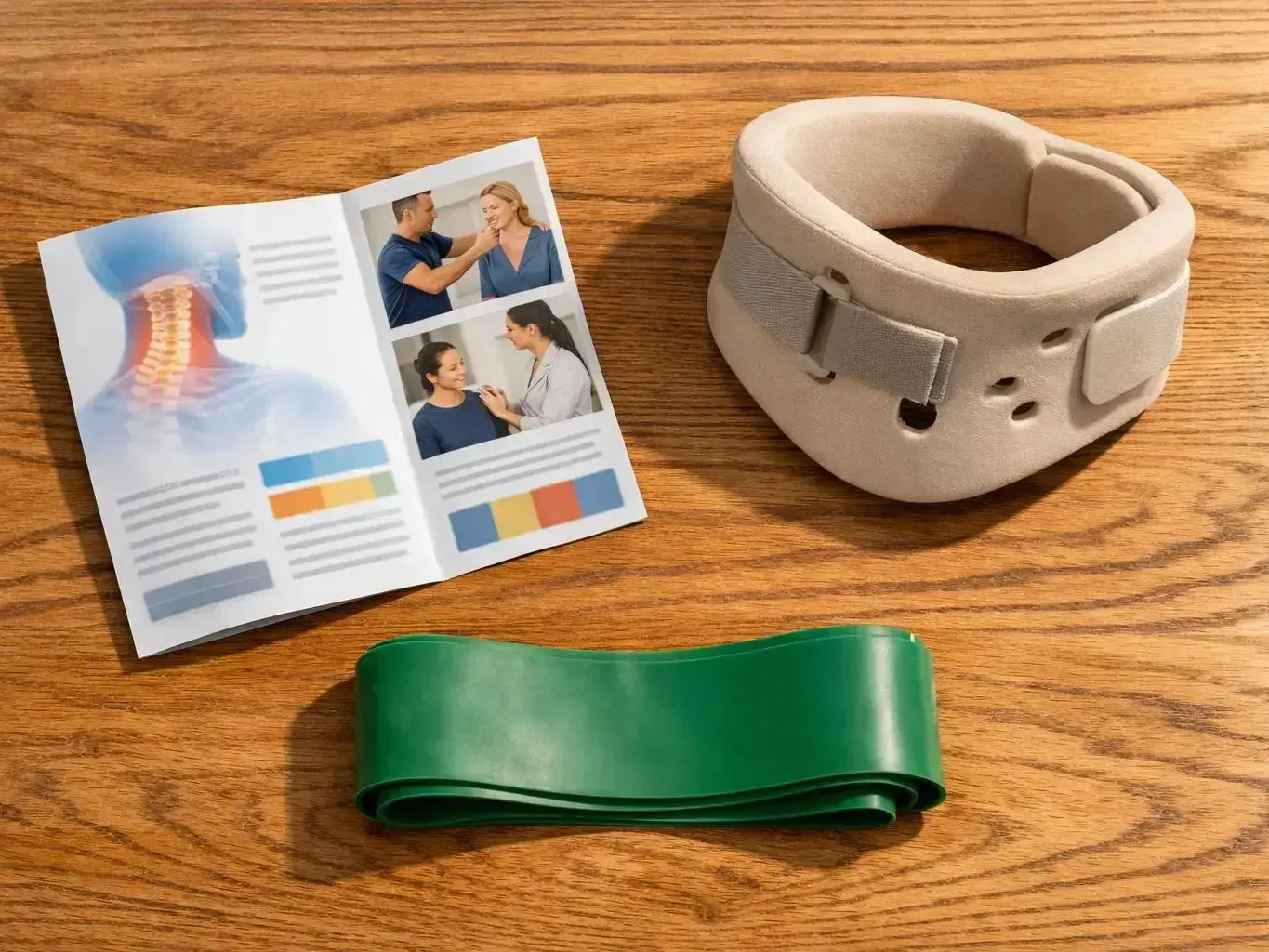
Physical therapy strengthens muscles. It helps your spine. It makes you more flexible.
Chiropractic care can help too. It includes spinal adjustments. It also includes decompression therapy (relieving pressure).
This can take pressure off nerves. In bad cases, doctors may give steroid shots. These reduce swelling.
Rarely, surgery is needed. It removes the herniated part of the disc.
Why Herniated Disc Matters?
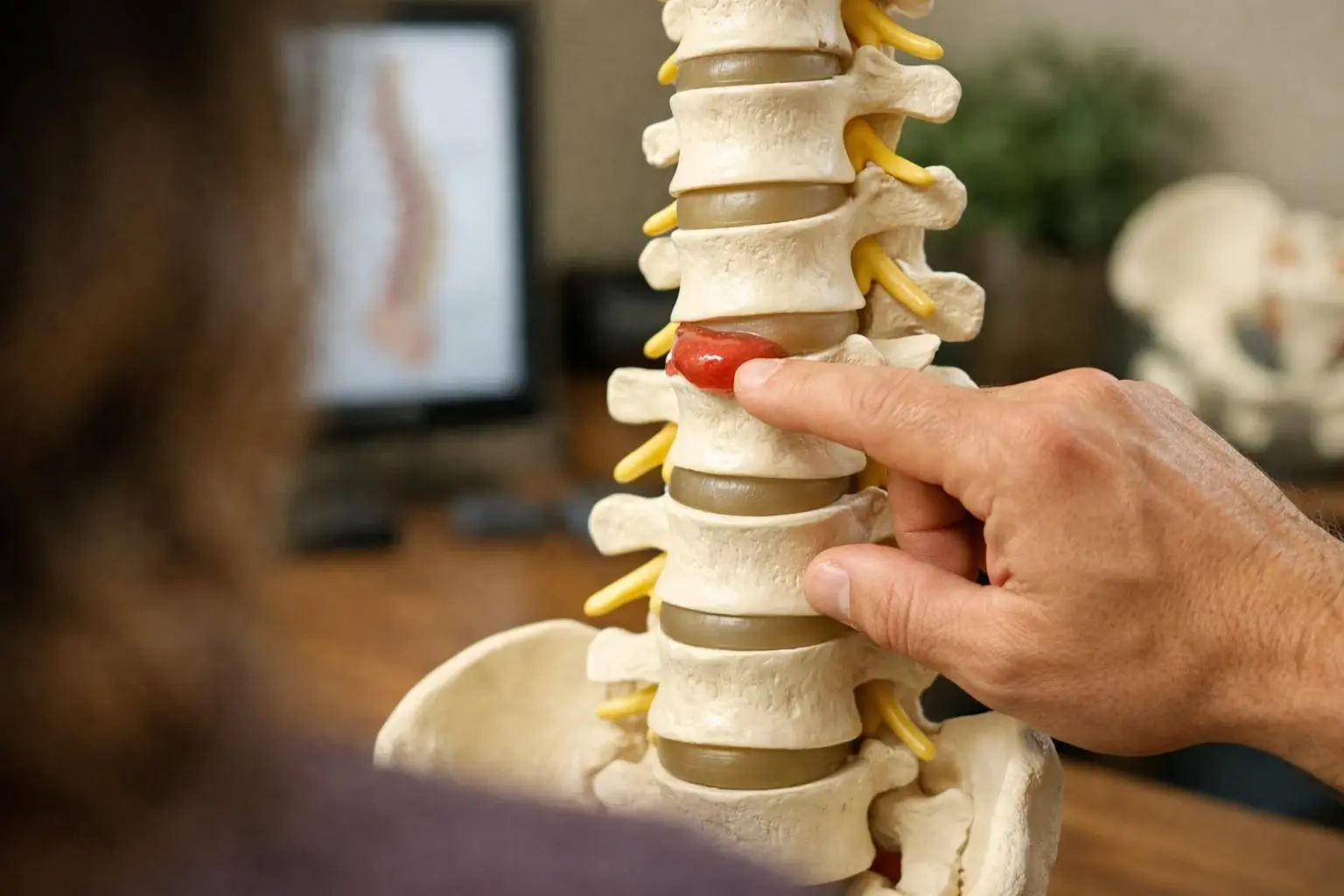
A herniated disc can hurt daily life. Pain makes sitting hard. It makes standing hard too.
Moving can be tough. Work may suffer. Exercise and sleep can too.
If not treated, nerves can get hurt. This can cause long-term weakness. It can cause numbness in arms or legs.
Early treatment helps. It stops problems. It helps you heal faster.
It also helps you make changes. Better posture helps. So does lifting things the right way.
This can stop future disc problems.
Herniated discs can cost money. They can affect friends and family. Chronic pain can make you miss work.
It can lower how much you get done. Accidents at work may need legal help. They may need insurance claims.
Treating herniated discs fast helps. It avoids long disability. It avoids costly treatments.
These take longer to recover from.
When Herniated Disc Matters Most?
Herniated discs are bad when they disrupt life. Warning signs need quick help. Severe pain that doesn't go away is one.
Numbness or tingling can spread. It can go down arms or legs. Weakness in muscles is another sign.
These may mean nerve damage. They need a doctor right away. Sudden back pain after lifting is a sign too.
Bending or twisting can cause it. Sciatica (sharp leg pain) can happen with it. This needs a check-up.
Some people are at higher risk. Middle-aged and older adults are one group. Their discs wear down naturally.
Jobs with heavy lifting raise risk. So do jobs with repetitive motions. Sitting too long can too.
Obesity and smoking raise risk. So does not moving enough. Athletes can get herniated discs too.
Contact sports can cause them. So can weightlifting. Sudden hits or bad form can hurt discs.
Knowing risks helps. Strengthen core muscles. Stay at a healthy weight.
Use proper lifting. This can help prevent herniated discs.