Glossary

What is Ultrasound Therapy?

Ultrasound Therapy is a non-invasive treatment that uses high-frequency sound waves to promote healing in soft tissues, reduce pain. And decrease inflammation. Ultrasound Therapy delivers deep heat to muscles, tendons. And ligaments without surgery or medication, commonly used in physical therapy and chiropractic care for injuries like sprains, strains. And tendonitis.

Reviewed by ChiropractorDuluth.comSources reviewed: American Chiropractic Association, National Institute of Arthritis and Musculoskeletal and Skin Diseases

Quick Facts About Ultrasound Therapy

Category

Physical medicine and rehabilitation

Used for

Soft tissue injuries, pain relief, inflammation reduction

Common confusion

Not the same as diagnostic ultrasound (imaging)

Also called

Therapeutic Ultrasound, Ultrasound Treatment

Often discussed with

Sports Injury Chiropractic Care, Work Injury Treatment

Key Takeaways About Ultrasound Therapy

Understanding Ultrasound Therapy
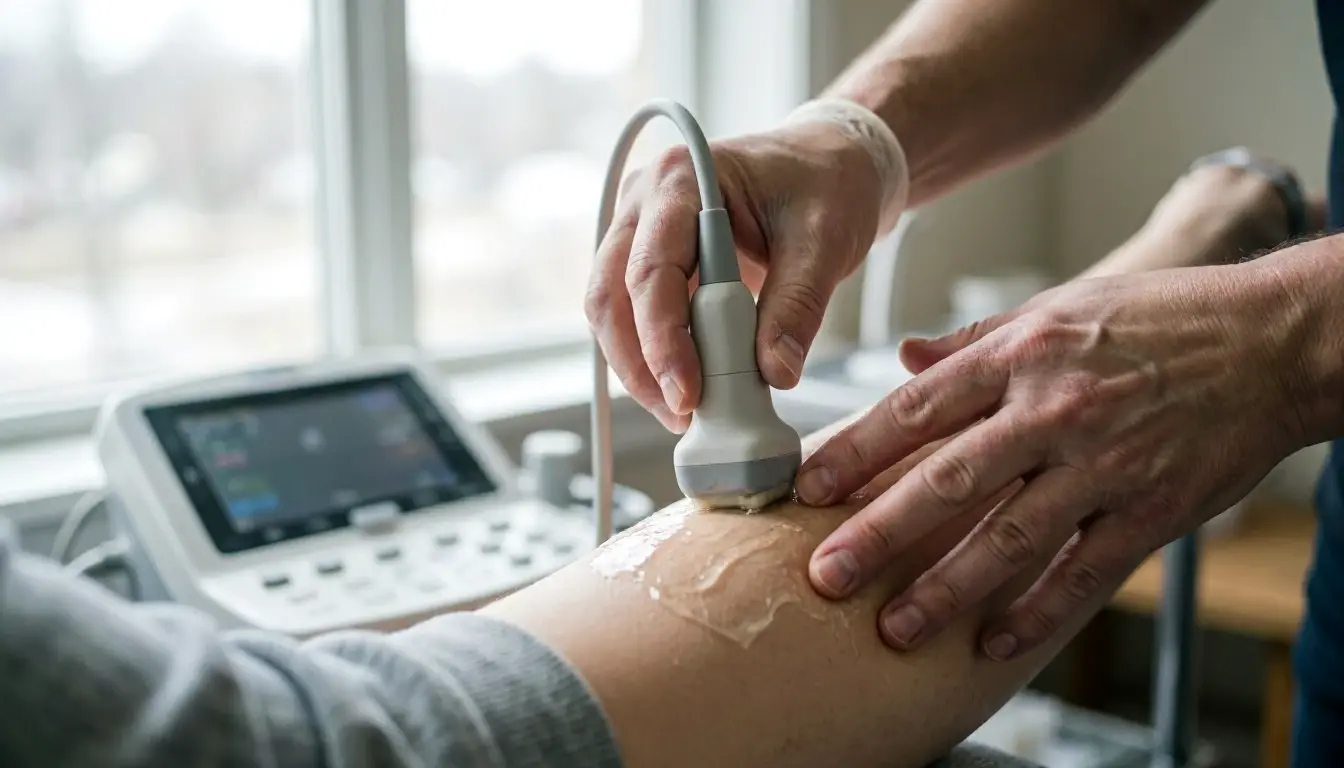
Ultrasound Therapy in Chiropractor: Ultrasound Therapy is a non-invasive treatment that uses high-frequency sound waves to...

Ultrasound Therapy uses sound waves. These waves are too high for people to hear. They help heal hurt tissues.

Related glossary terms: Soft Tissue Therapy, Chiropractic Care, Electrotherapy.

The waves make vibrations. These create gentle heat deep inside. They warm muscles, tendons. And ligaments.

This is not the same as diagnostic ultrasound. That kind takes pictures inside the body. Ultrasound Therapy heals instead.

It boosts blood flow. It cuts down on swelling. It's often used with other treatments.

Those include adjustments, stretches. Or exercises. This helps patients get better faster.

The process feels like a warm massage. It does not hurt. A small tool called a transducer is used.

The tool moves in slow circles over the skin. A gel helps the waves go into the body. Most people feel relaxed.

There is no downtime after. It is safe when a licensed pro does it. But some areas should not get this treatment.

Avoid the eyes, brain. Or broken skin.

How Ultrasound Therapy Works?

Ultrasound Therapy sends sound waves into the body. The waves make tiny vibrations in cells. This creates heat.

Heat increases blood flow. It helps tight muscles relax. It brings more oxygen and nutrients to hurt spots.

This speeds up healing. It breaks down scar tissue. It cuts down on swelling too.

Less swelling means less pain. It also helps you move better.

The treatment has two main parts. One is frequency. That's how fast the waves move.

Frequency is between 1 and 3 megahertz (MHz). Lower numbers reach deeper tissues. Higher numbers treat spots closer to skin.

The other part is intensity. That's how strong the waves are. It's usually between 0.1 and 2.0 watts.

A chiropractor picks the settings. They choose based on the injury. They also think about what feels best for you.

Each session lasts 5 to 10 minutes. It depends on the size of the area. Many people feel better after 3 to 5 visits.

It's often used with other treatments. Those include stretching or exercises. They can also do manual adjustments.

Why Ultrasound Therapy Matters?
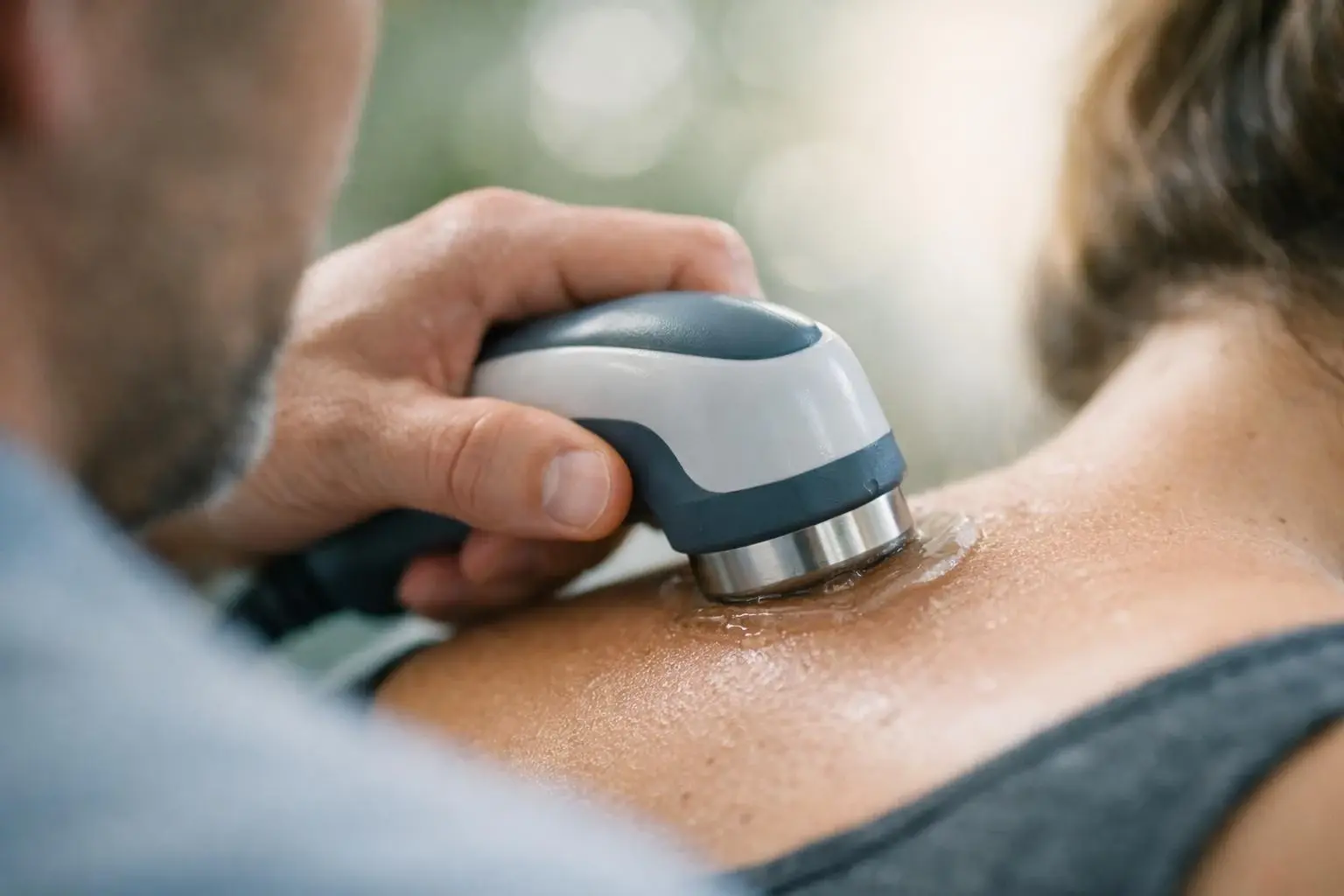
How Ultrasound Therapy applies to Chiropractor services in Duluth, United States—practical illustration

Ultrasound Therapy is safe. It helps the body heal without drugs. Many injuries cause swelling and pain.

This therapy boosts blood flow. It cuts down on swelling. Tissues heal faster and hurt less.

It's good for people who don't want surgery. It's also good for those who can't take some medicines.

It works on many soft tissue injuries. It helps with muscle tears or bursitis. It can also help with arthritis.

It has few side effects. That makes it popular. Athletes and workers with strain injuries like it.

Older adults with joint pain use it too. It's gentle for most people. Some therapies are too harsh for them.

When Ultrasound Therapy Matters Most?

Ultrasound Therapy helps when quick healing is needed. Athletes use it to get back to sports fast.

Workers with strain injuries feel less pain. It helps with stiffness too. Carpal tunnel syndrome is one example.

It's good for people hurt in car accidents. It helps those who fell. Soft tissue damage can cause long pain.

This therapy isn't for everyone. Don't use it on broken skin. Avoid tumors or infections too.

Stay away from eyes, brain. Or private parts. Tell your provider if you have a pacemaker.

The waves can mess with medical devices. A chiropractor will check if it's right for you.

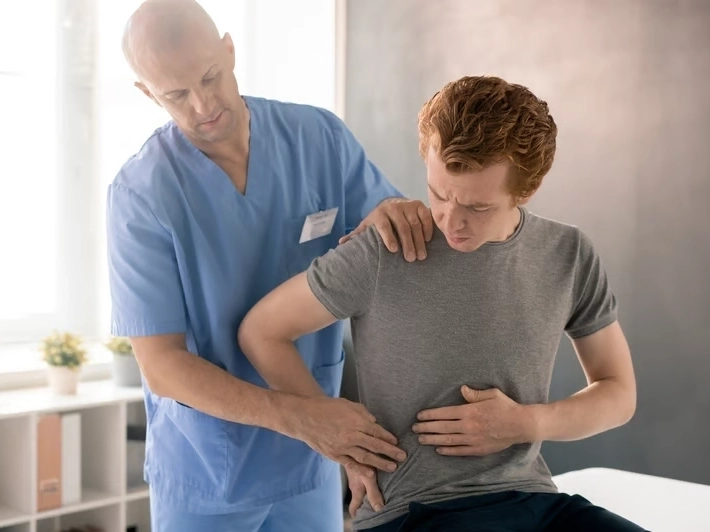
In Duluth, GA, chiropractors treat many injuries. They help with sports injuries. They also help with work strains.

Car accident recovery often includes this therapy. It helps people move better with less pain. It's part of many rehab plans there.
How to Evaluate Ultrasound Therapy?

Related Concepts Compared

Ultrasound Therapy vs. Cold Laser Therapy

Cold Laser Therapy uses light energy to reduce pain and inflammation. While Ultrasound Therapy uses sound waves to create deep heat and promote healing.

Ultrasound Therapy vs. Electrotherapy

Electrotherapy uses electrical currents to stimulate muscles and nerves. While Ultrasound Therapy uses sound waves to heat and heal soft tissues.

Expert Note

Ultrasound Therapy is most effective when combined with active rehabilitation, like stretching and strengthening exercises. The deep heat prepares tissues for movement, making other treatments more successful.

Common Mistakes or Myths About Ultrasound Therapy

  • Thinking Ultrasound Therapy is the same as diagnostic ultrasound (imaging).
  • Expecting instant results after one session—healing takes multiple visits.
  • Using Ultrasound Therapy on broken skin or infections, which can worsen the condition.
  • Assuming it works for bone injuries—it only treats soft tissues like muscles and tendons.

Ultrasound Therapy in Practice: A Real-World Example

A runner in Duluth, GA, sprains an ankle during training. After an initial evaluation, their chiropractor recommends Ultrasound Therapy to reduce swelling and speed up healing. During each session, the runner feels gentle warmth as the transducer moves over the injured area. After a few visits, they notice less pain and improved mobility, allowing them to return to running sooner.

Related Services

Related Terms

Soft Tissue Therapy

Soft Tissue Therapy is a hands-on treatment method that targets muscles, tendons, ligaments. And fascia to reduce pain, improve mobility. And promote healing. Soft Tissue Therapy uses techniques like massage, stretching. And pressure to break up scar tissue, release tension. And restore normal function without surgery or medication. It's commonly used for injuries, chronic pain. And postural imbalances.

Chiropractic Care

Chiropractic Care is a healthcare discipline focused on diagnosing and treating musculoskeletal disorders, primarily those related to the spine. Chiropractic Care uses hands-on spinal adjustments and other manual therapies to improve joint function, reduce pain. And support the body’s natural ability to heal without surgery or medication. It's commonly used for back pain, neck pain, headaches.

Electrotherapy

Electrotherapy is a medical treatment that uses electrical currents to reduce pain, stimulate muscles. And promote healing in injured or overworked tissues. Electrotherapy devices deliver controlled pulses through electrodes placed on the skin, targeting nerves or muscles to improve circulation, reduce inflammation. And accelerate recovery without surgery or medication.

Cold Laser Therapy

Cold Laser Therapy is a non-invasive treatment that uses low-level light lasers to reduce pain and inflammation and promote healing in muscles, joints. And soft tissues. Unlike surgical lasers, cold lasers don't produce heat, making the procedure painless and safe for most patients. It's commonly used in chiropractic care, physical therapy. And sports medicine to accelerate recovery from injuries.

Mobilization

Mobilization is a gentle, controlled manual therapy technique used by chiropractors and physical therapists to improve joint movement and reduce stiffness. Mobilization involves slow, repetitive motions applied to a joint to restore its natural range of motion without forceful thrusts, making it suitable for patients with pain, injury. Or limited mobility.

ChiropractorDuluth.com

Have Questions About Ultrasound Therapy?

Contact ChiropractorDuluth.com for practical guidance on Ultrasound Therapy and related chiropractor work in Duluth.

+1 770-525-1431