Glossary

What is Cold Laser Therapy?

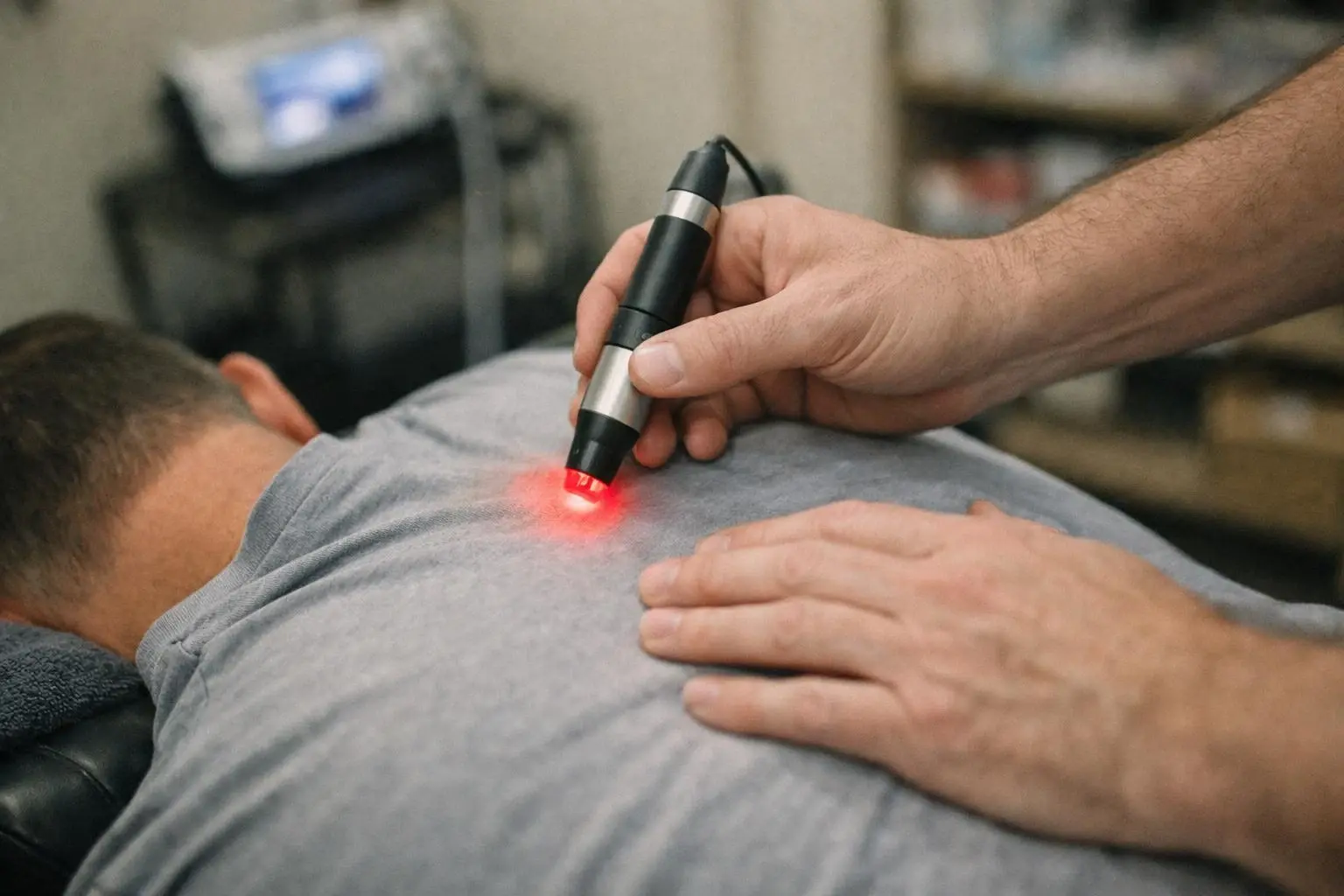
Cold Laser Therapy is a non-invasive treatment that uses low-level light energy to reduce pain and inflammation and promote healing in damaged tissues. Cold Laser Therapy doesn't produce heat, making it safe for use on skin, muscles. And joints without burning or cutting. It's commonly used by chiropractors, physical therapists. And sports medicine professionals to treat injuries and chronic conditions.

Reviewed by Dr. Harry W. Brown, D.C.Sources reviewed: U.S. Food and Drug Administration, National Center for Biotechnology Information

Quick Facts About Cold Laser Therapy

Category

Non-invasive pain management

Used for

Soft tissue injuries, joint pain, inflammation

Common confusion

Not the same as surgical lasers that cut tissue

Also called

Low-Level Laser Therapy, LLLT

Often discussed with

Sports Injury Chiropractic Care, Work Injury Treatment

Key Takeaways About Cold Laser Therapy

Understanding Cold Laser Therapy
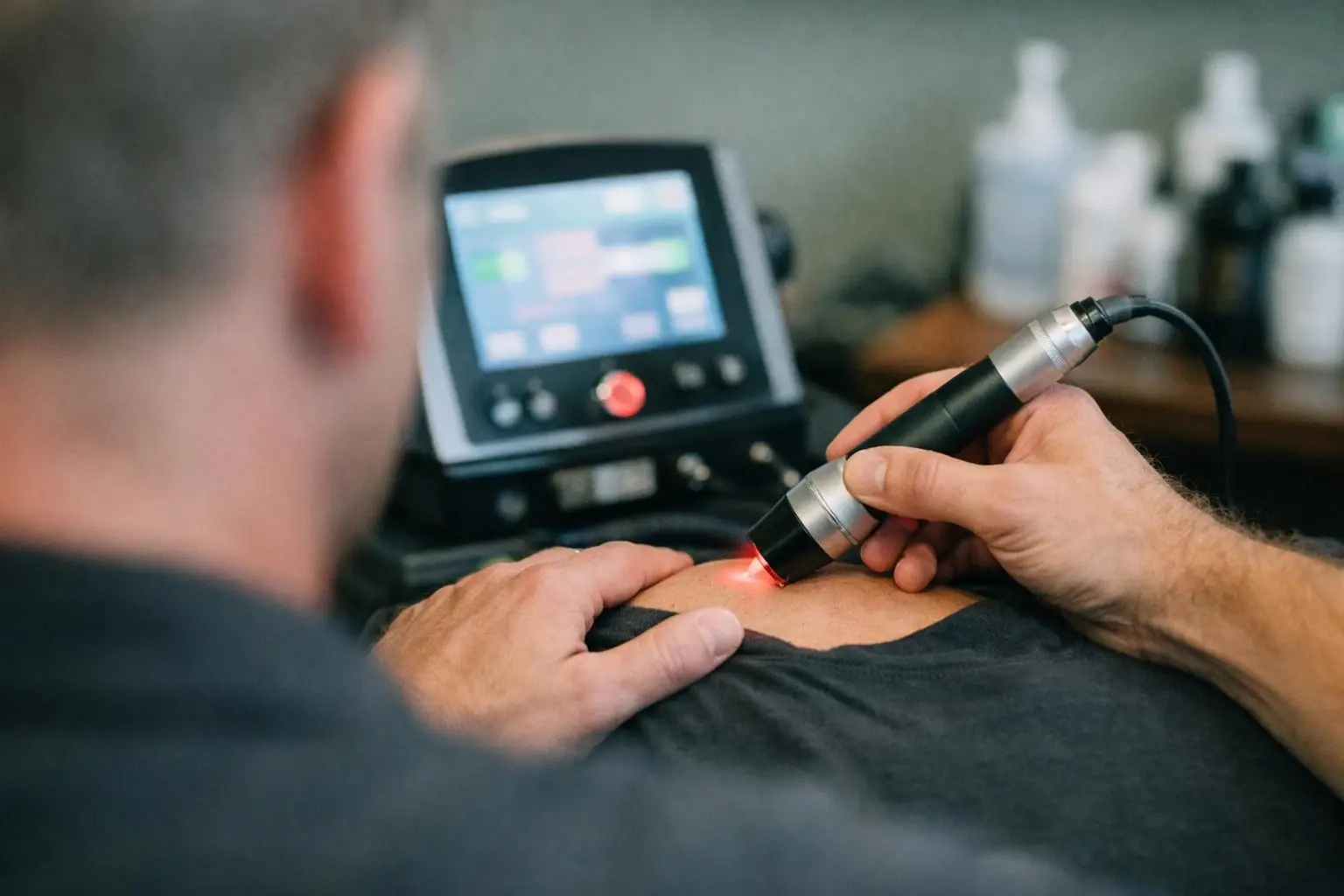
Cold Laser Therapy in Chiropractor: Cold Laser Therapy is a non-invasive treatment that uses low-level light energy—visual...

Cold Laser Therapy, also called low-level laser therapy (LLLT), is a form of light-based treatment that helps the body heal itself. Unlike hot lasers used in surgery, cold lasers don't burn or cut tissue. Instead, they deliver gentle light energy that penetrates the skin and reaches damaged cells. This light energy helps reduce pain, swelling. And muscle spasms while speeding up tissue repair.

Related glossary terms: Chiropractic Adjustment, Electrical Muscle Stimulation, Soft Tissue Injury.

Cold Laser Therapy is often used alongside other treatments like chiropractic adjustments, physical therapy. Or massage. It's considered safe for most people, including older adults and athletes. Because it doesn't involve medication or incisions. The therapy is typically applied directly to the skin over the injured area. And patients usually feel nothing or a mild warming sensation during treatment.

How Cold Laser Therapy Works?

Cold Laser Therapy works by stimulating the body’s natural healing processes at the cellular level. The light energy from the laser is absorbed by cells, which then produce more energy (ATP). This extra energy helps cells repair themselves faster and reduces inflammation. The laser also improves blood flow to the treated area, which brings more oxygen and nutrients to help healing.

The treatment is measured in wavelengths, usually between 600 and 1000 nanometers. Different wavelengths penetrate different depths of tissue. Shorter wavelengths target surface issues like skin wounds. While longer wavelengths reach deeper tissues like muscles and joints. A typical session lasts 5 to 15 minutes, depending on the size of the area being treated.

Most patients need a series of treatments to see the best results. For example, someone with a sprained ankle might receive Cold Laser Therapy 2 to 3 times per week for 2 to 4 weeks. The number of sessions depends on the severity of the injury and how the body responds to the treatment.

Why Cold Laser Therapy Matters?

How Cold Laser Therapy applies to Chiropractor services in Duluth, United States—practical illustration

Cold Laser Therapy matters because it offers a drug-free and surgery-free option for managing pain and healing injuries. Many people prefer it over medications that can cause side effects or surgeries that require long recovery times. It is especially useful for conditions that do not respond well to traditional treatments, such as chronic back pain, tendonitis. Or nerve-related pain.

The therapy is also valuable for athletes and active individuals who want to recover quickly from injuries without downtime. Because it is non-invasive, patients can often return to their normal activities immediately after a session. This makes it a practical choice for people who need to stay active for work, sports. Or daily life.

When Cold Laser Therapy Matters Most?

Cold Laser Therapy is most helpful in situations where pain, inflammation. Or slow healing are causing problems. For example, it is often used for soft tissue injuries like sprains, strains. And tendonitis. It can also help with joint conditions such as arthritis, carpal tunnel syndrome. Or plantar fasciitis. People recovering from surgery or accidents may use Cold Laser Therapy to speed up healing and reduce scar tissue formation.

This therapy is also important for people who can't take pain medications due to allergies, stomach issues. Or other health concerns. Since it does not involve drugs, it is a safer alternative for long-term pain management. And Cold Laser Therapy is sometimes used to treat wounds that are not healing well, such as diabetic ulcers or burns. Because it promotes faster tissue repair.

While Cold Laser Therapy is widely used, it is not a miracle cure. It works best when combined with other treatments like exercise, stretching. Or chiropractic care. Patients should discuss their specific condition with a healthcare provider to determine if Cold Laser Therapy is the right choice for their needs.

How to Evaluate Cold Laser Therapy?

Related Concepts Compared

Cold Laser Therapy vs. Electrical Muscle Stimulation

Electrical Muscle Stimulation uses electrical currents to contract muscles. While Cold Laser Therapy uses light energy to promote healing without muscle contractions.

Cold Laser Therapy vs. Ultrasound Therapy

Ultrasound Therapy uses sound waves to generate heat and promote healing. While Cold Laser Therapy uses light energy and does not produce heat.

Expert Note

Cold Laser Therapy is most effective when tailored to the patient’s specific condition and combined with other therapies. Wavelength, power. And treatment duration all influence outcomes. So a trained provider’s expertise is key.

Common Mistakes or Myths About Cold Laser Therapy

  • Expecting immediate results after one session; Cold Laser Therapy usually requires multiple treatments.
  • Thinking Cold Laser Therapy is the same as surgical lasers; cold lasers do not cut or burn tissue.
  • Using Cold Laser Therapy for conditions it is not approved to treat, such as cancer or deep infections.
  • Assuming all Cold Laser Therapy devices are the same; wavelengths and power levels vary.

Cold Laser Therapy in Practice: A Real-World Example

A runner with Achilles tendonitis visits a chiropractor for Cold Laser Therapy. The provider applies the laser to the injured tendon for 10 minutes. After 6 sessions over 3 weeks, the runner notices less pain and swelling and can return to training with less discomfort.

Sources & Further Reading on Cold Laser Therapy

Related Services

Related Terms

Chiropractic Adjustment

Chiropractic Adjustment is a hands-on procedure where a licensed chiropractor applies controlled force to a specific joint in the spine or other body part. This force helps improve alignment, reduce nerve irritation. And restore normal movement. Adjustments are used to relieve pain, improve function.

Electrical Muscle Stimulation

Electrical Muscle Stimulation is a therapeutic technique that uses controlled electrical currents to cause muscle contractions. These contractions help reduce pain, improve circulation. And promote healing in injured or weakened muscles. The treatment is non-invasive and often used alongside chiropractic care to support recovery from injuries, surgeries.

Soft Tissue Injury

Soft Tissue Injury is damage to the body’s muscles, tendons, ligaments. Or fascia caused by sudden trauma, overuse. Or repetitive stress. These injuries often result in pain, swelling, bruising. Or reduced movement and can occur during sports, accidents. Or daily activities. Unlike bone fractures, soft tissue injuries affect non-bony structures that support and connect the body.

Trigger Point Therapy

Trigger Point Therapy is a manual treatment method that targets tight knots in muscles, called trigger points, which cause pain and stiffness. These knots form when muscle fibers fail to relax, often due to injury, overuse. Or stress. The therapy involves applying focused pressure to these points to release tension, improve blood flow. And restore normal muscle function.

Spinal Decompression

Spinal Decompression is a non-surgical treatment designed to relieve pressure on the spine and spinal nerves. It involves gently stretching the spine using a motorized table or device to create negative pressure within the spinal discs, which can help herniated or bulging discs retract, promote healing.

Arrowhead Clinic

Have Questions About Cold Laser Therapy?

Contact Arrowhead Clinic for practical guidance on Cold Laser Therapy and related chiropractor work in Duluth.

+1 770-525-1431