Glossary

What is Mobilization?

Mobilization is a gentle, controlled manual therapy technique used by chiropractors and physical therapists to improve joint movement and reduce stiffness. Mobilization involves slow, repetitive motions applied to a joint to restore its natural range of motion without forceful thrusts, making it suitable for patients with pain, injury. Or limited mobility.

Reviewed by ChiropractorDuluth.comSources reviewed: American Chiropractic Association, National Institutes of Health - Joint Mobilization

Quick Facts About Mobilization

Category

Manual therapy technique

Used for

Improving joint mobility and reducing stiffness

Common confusion

Often mistaken for spinal adjustments, which use sudden force

Also called

Joint mobilization, Manual mobilization

Often discussed with

Car Accident Injury Rehabilitation, Neck Injury Treatment

Key Takeaways About Mobilization

Understanding Mobilization
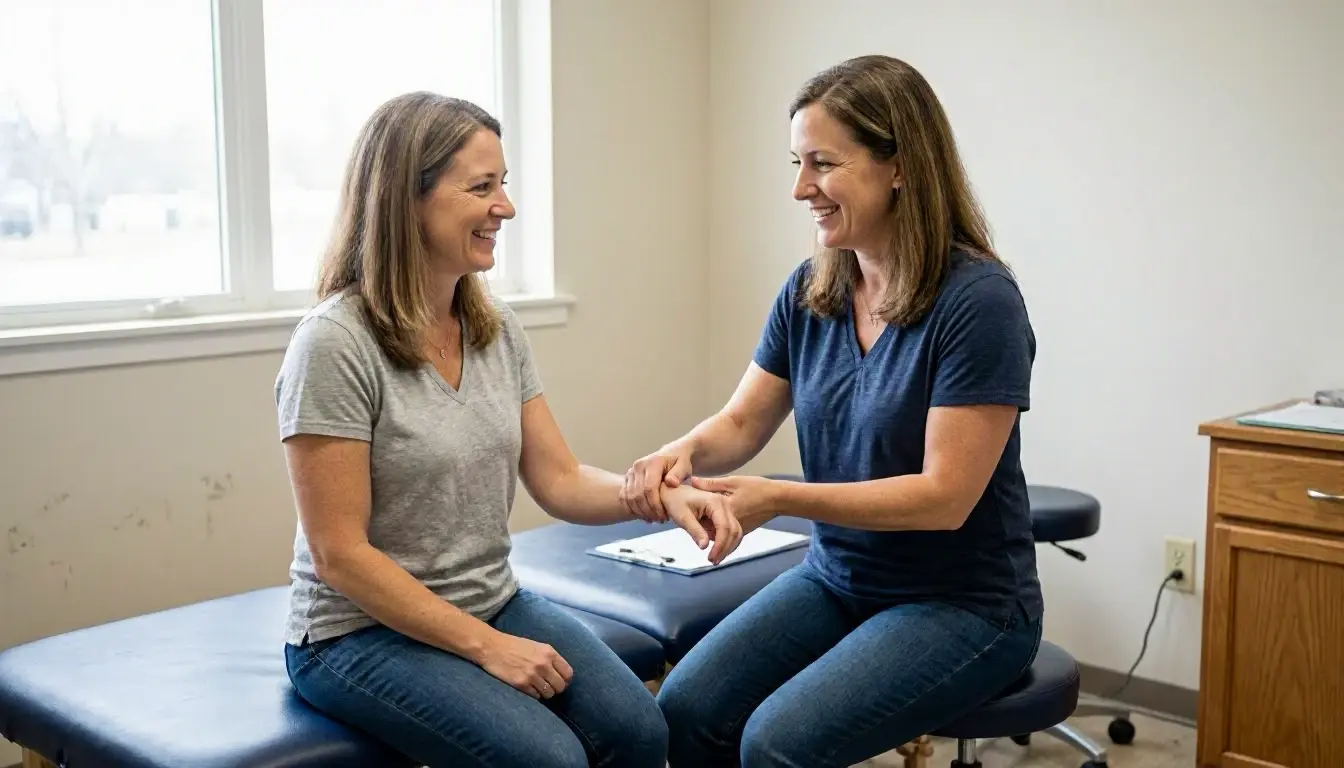
Mobilization in Chiropractor: Mobilization is a gentle, controlled manual therapy technique used by chiropractors and—visu...

Mobilization is a hands-on therapy technique designed to improve the movement of joints in the body. Unlike high-velocity adjustments, which involve quick, forceful thrusts, mobilization uses slow, controlled motions to gently stretch and move joints. This approach helps restore natural range of motion and reduces stiffness, making it particularly useful for patients with pain, inflammation. Or conditions like arthritis. Chiropractors and physical therapists often use mobilization as part of a broader treatment plan to help patients regain mobility and function.

Related glossary terms: Chiropractic Adjustment, Soft Tissue Therapy, Flexion Distraction.

Mobilization can be applied to almost any joint in the body, including the spine, shoulders, hips, knees. And ankles. The technique involves rhythmic, repetitive movements that gradually increase the joint's flexibility. Because it's gentler than adjustments, mobilization is often recommended for patients who are sensitive to sudden movements or who have conditions that make forceful techniques risky. It is also commonly used in rehabilitation after injuries or surgeries to help patients safely regain movement.

How Mobilization Works?

During a mobilization session, the chiropractor or therapist uses their hands to apply specific pressures and movements to the affected joint. The goal is to stretch the joint capsule and surrounding soft tissues, such as muscles and ligaments, to improve flexibility and reduce tension. The movements are typically slow and controlled, allowing the joint to move through its natural range without causing pain or discomfort. The therapist may also use graded techniques, starting with gentle movements and gradually increasing pressure as the joint becomes more mobile.

Mobilization can be categorized into different grades based on the amount of force and range of motion used. Grade I involves small, gentle movements to reduce pain and relax the joint. Grade II uses larger movements to stretch the joint capsule without reaching its full range. Grades III and IV involve deeper stretches that push the joint closer to its natural limits. The therapist selects the appropriate grade based on the patient's condition, pain level. And overall treatment goals. For example, a patient recovering from a shoulder injury might start with Grade I or II mobilizations to reduce pain before progressing to higher grades.

Why Mobilization Matters?
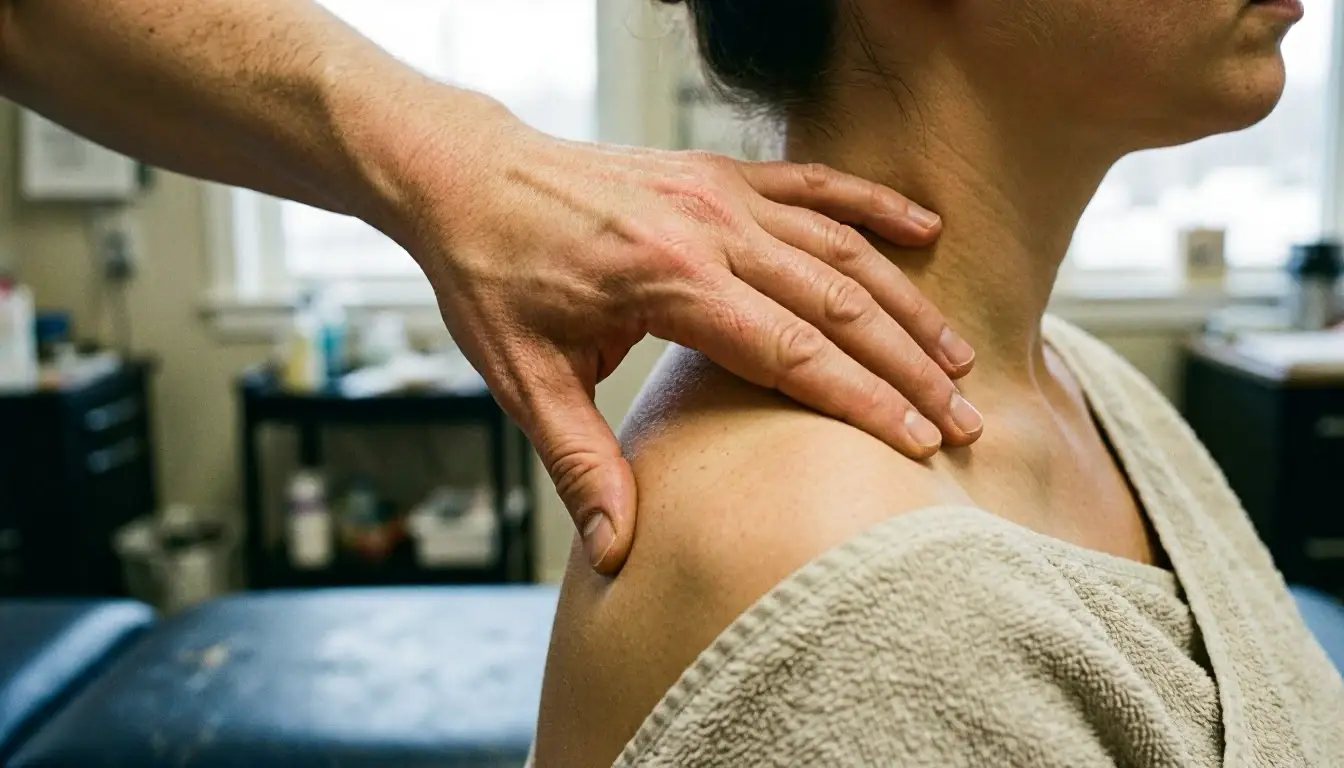
How Mobilization applies to Chiropractor services in Duluth, United States—practical illustration

Mobilization plays a key role in helping patients regain movement and function after injury, surgery. Or chronic conditions like arthritis. When joints become stiff or restricted, everyday activities like walking, reaching. Or bending can become difficult and painful. Mobilization helps restore natural joint movement, which can reduce pain, improve flexibility. And boost overall quality of life. For athletes or active individuals, mobilization can also help prevent injuries by keeping joints mobile and resilient.

In practice, Another important benefit of mobilization is its safety and versatility. Because it doesn't involve sudden force, mobilization is less likely to cause discomfort or complications compared to high-velocity adjustments. This makes it a preferred option for patients with conditions like osteoporosis, herniated discs. Or recent surgeries, where forceful techniques might be risky. Mobilization can also be combined with other therapies, such as stretching, strengthening exercises. Or soft tissue work, to create a full treatment plan custom to the patient's needs.

When Mobilization Matters Most?

Mobilization is particularly valuable in situations where gentle, gradual improvement is needed. For example, patients recovering from car accidents, sports injuries. Or surgeries often experience joint stiffness and limited mobility. Mobilization can help these patients safely regain movement without causing additional strain or pain. It is also commonly used for older adults or individuals with chronic conditions like osteoarthritis, where forceful techniques might worsen symptoms. By improving joint mobility, mobilization can help these patients maintain their independence and perform daily activities with less discomfort.

Mobilization is also useful for patients who are hesitant about chiropractic adjustments due to fear of pain or injury. Because it is gentler and more controlled, mobilization can serve as an introductory therapy for those new to chiropractic care. And mobilization can be used as a preventive measure for individuals who sit for long periods, engage in repetitive motions. Or have jobs that strain specific joints. Regular mobilization sessions can help keep joints flexible and reduce the risk of stiffness or injury over time.
How to Evaluate Mobilization?

Related Concepts Compared

Mobilization vs. Chiropractic Adjustment

Chiropractic adjustments involve quick, forceful thrusts to realign joints. While mobilization uses slow, gentle movements to improve joint mobility.

Mobilization vs. Manipulation

Manipulation often refers to forceful techniques that produce a popping sound, whereas mobilization focuses on gradual, pain-free movement.

Mobilization vs. Stretching

Stretching targets muscles and tendons. While mobilization specifically addresses joint capsules and surrounding soft tissues.

Expert Note

Mobilization is especially effective for patients with acute pain or inflammation, as it avoids the sudden forces that can sometimes aggravate sensitive tissues. It’s also a valuable tool for maintaining joint health in aging populations or those with degenerative conditions.

Common Mistakes or Myths About Mobilization

  • Assuming mobilization is the same as a chiropractic adjustment—it is gentler and uses slower movements.
  • Expecting immediate results; mobilization often requires multiple sessions for noticeable improvement.
  • Thinking mobilization is only for the spine—it can be used on joints throughout the body.
  • Believing mobilization is painful; it should be comfortable and tailored to the patient’s tolerance.

Mobilization in Practice: A Real-World Example

After a car accident, a patient experiences stiffness in their neck and shoulders. Their chiropractor uses mobilization to gently move the joints through their range of motion, reducing tension and improving flexibility. Over several sessions, the patient notices less pain and greater ease in turning their head or lifting their arms.

Sources & Further Reading on Mobilization

Related Services

Related Terms

Chiropractic Adjustment

Chiropractic Adjustment is a precise, hands-on procedure where a licensed chiropractor applies controlled force to a joint in the spine or other body part. The goal is to improve joint motion, reduce pain. And restore function without surgery or medication. Adjustments are based on clinical examination and may involve quick thrusts or gentle pressure.

Soft Tissue Therapy

Soft Tissue Therapy is a hands-on treatment method that targets muscles, tendons, ligaments. And fascia to reduce pain, improve mobility. And promote healing. Soft Tissue Therapy uses techniques like massage, stretching. And pressure to break up scar tissue, release tension. And restore normal function without surgery or medication. It's commonly used for injuries, chronic pain. And postural imbalances.

Flexion Distraction

Flexion Distraction is a gentle, non-surgical chiropractic technique used to treat spinal conditions like herniated discs, sciatica. And back pain. It involves a specialized table that stretches and flexes the spine to relieve pressure on nerves, improve mobility. And promote healing without forceful manipulation.

Spinal Decompression

Spinal Decompression is a non-surgical treatment designed to relieve pressure on the spine and spinal nerves. It involves gently stretching the spine using a motorized table or similar device to create negative pressure within spinal discs. This process aims to promote healing, reduce pain.

Herniated Disc

Herniated Disc is a spinal condition where the soft, gel-like center of a spinal disc pushes through a tear in the disc’s tough outer layer. This bulging material can press on nearby nerves, causing pain, numbness. Or weakness in the back, arms. Or legs. Herniated discs often occur in the lower back or neck and are commonly linked to aging, injury.

ChiropractorDuluth.com

Have Questions About Mobilization?

Contact ChiropractorDuluth.com for practical guidance on Mobilization and related chiropractor work in Duluth.

+1 770-525-1431