Soft Tissue Therapy is a hands-on treatment method that targets muscles, tendons, ligaments. And fascia to reduce pain, improve mobility. And promote healing. Soft Tissue Therapy uses techniques like massage, stretching. And pressure to break up scar tissue, release tension. And restore normal function without surgery or medication. It's commonly used for injuries, chronic pain. And postural imbalances.
Category
Manual therapy
Used for
Muscle pain, stiffness, injuries. And postural issues
Common confusion
Often mistaken for deep tissue massage—Soft Tissue Therapy includes broader techniques like stretching and myofascial release
Also called
Soft Tissue Mobilization, Myofascial Therapy
Often discussed with
Car Accident Injury Rehabilitation, Sports Injury Chiropractic Care

Soft Tissue Therapy helps the body. It works on muscles, tendons, ligaments. And fascia.
Related glossary terms: Chiropractic Care, Mobilization, Graston Technique.
These are the soft parts inside you. They help you move and stand up straight.
They can get tight or hurt. This happens from too much use, bad posture. Or accidents.
It can also happen from stress. When this occurs, you may feel pain or stiffness.
You might not be able to move as well.
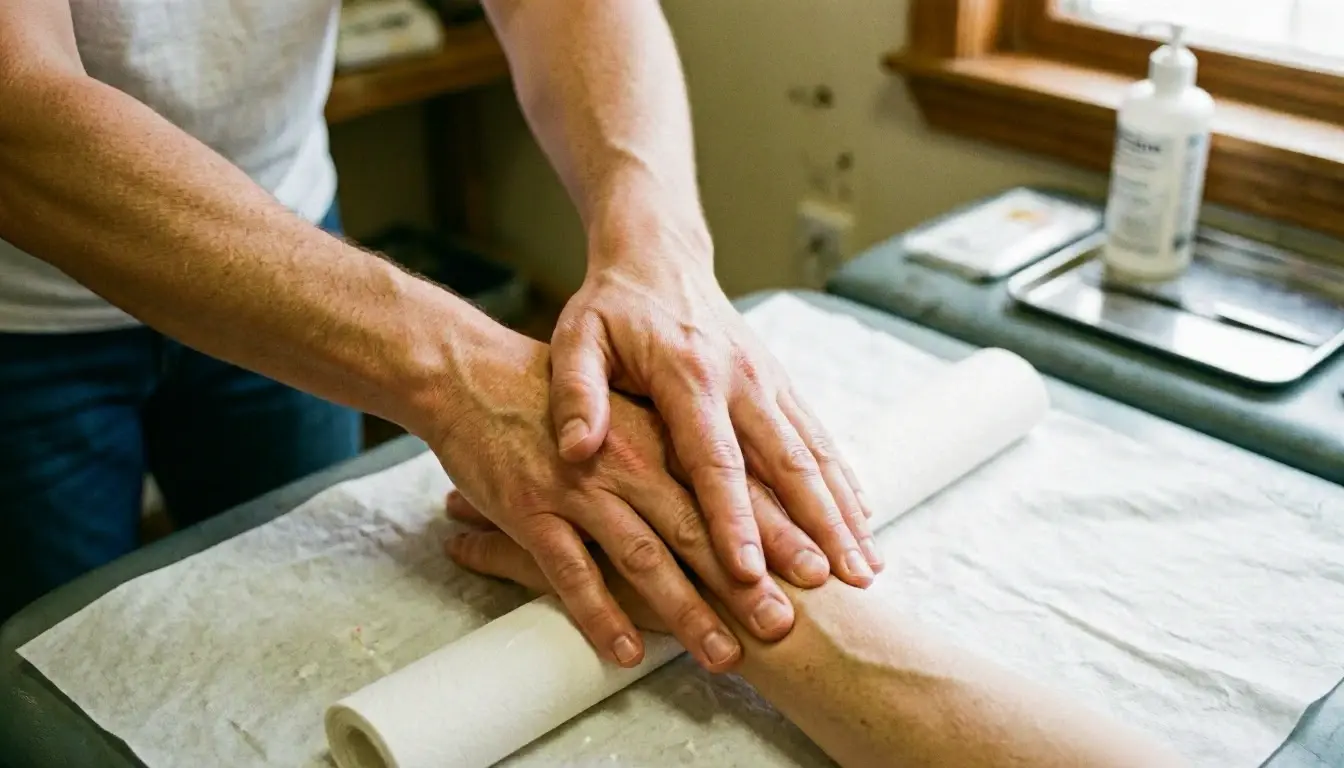
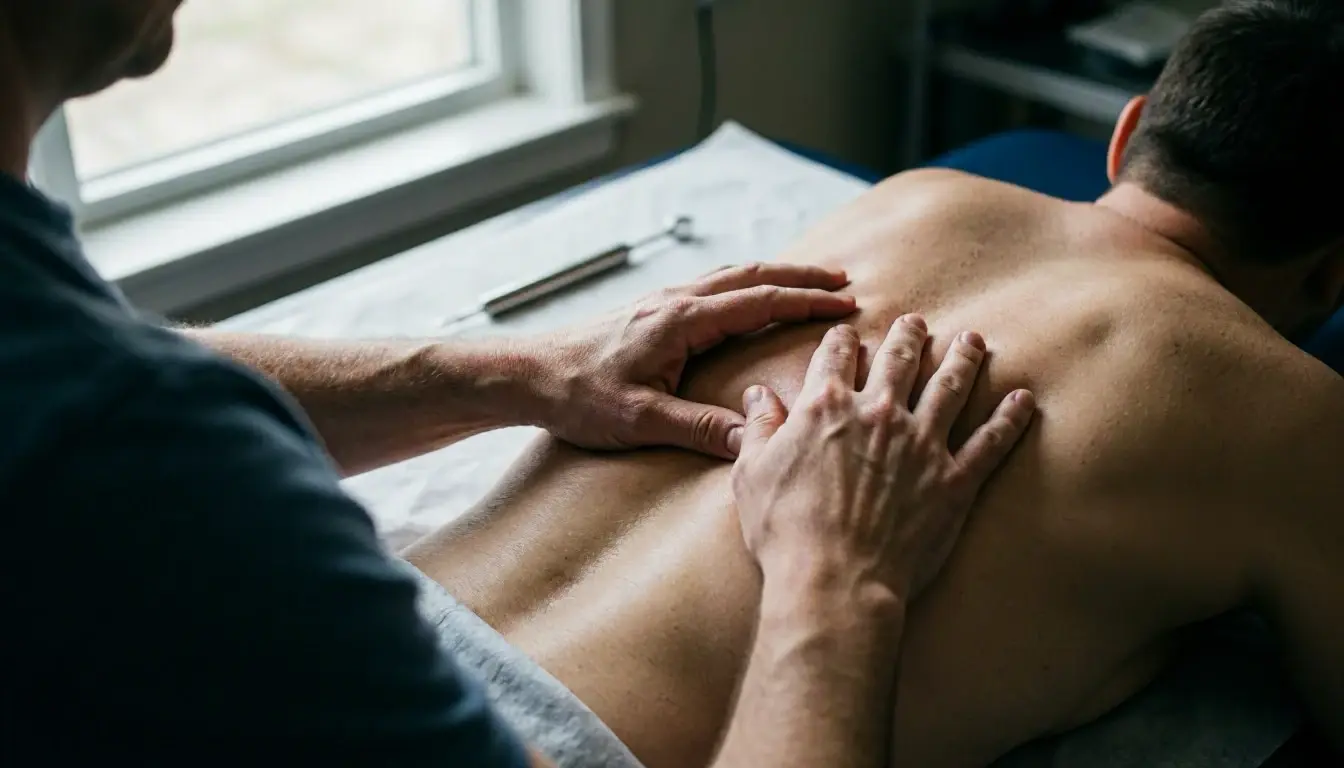
Therapists use their hands to help. They may also use fingers, elbows. Or tools.
They push, stretch. Or move these tissues. This breaks up sticky spots called adhesions.
Adhesions are like scar tissue. Breaking them up helps blood flow better.
Better blood flow helps your body heal. This therapy isn’t just for athletes.
It helps office workers too. It also helps drivers and others with muscle pain.
Soft Tissue Therapy fixes muscle problems. It works on the real cause of pain.
Muscles can get hurt or tired. They may stay in one position too long.
This can cause knots or tight bands. It can also create scar tissue.
These problems make it hard to move. They can cut off blood flow and cause pain.
Therapists push on these spots. This helps muscles relax and work normally again.
They use many methods. One is myofascial release.
This means gentle pressure on connective tissue. Another is trigger point therapy.
This focuses on tight muscle knots. Deep tissue massage is also common.
It uses slow, firm strokes. This reaches deeper muscle layers.
Stretching may be added too. This helps keep muscles flexible.
You may need more than one visit. This is true for long-term problems.
Soft Tissue Therapy works well with other treatments. One is chiropractic adjustments.
These fix joints and bones. Another is physical therapy.
If a joint is out of place, it can cause muscle pain. Fixing both helps more.
This mix treats pain better. It works on bones and muscles together.

Soft Tissue Therapy helps without drugs. It doesn’t need surgery.
It treats pain at its source. It doesn’t just hide the pain.
Many people take pills for pain. Others ignore pain until it gets worse.
This therapy offers another choice. It can help you heal faster.
It lowers the chance of getting hurt again.
It also helps athletes. It keeps their muscles strong and flexible.
This therapy helps with stress too. Tight muscles can cause headaches.
They can make you tired. They can also ruin your sleep.
Releasing tension helps you relax. You may feel more energy.
It can make daily tasks easier. This is true for conditions like fibromyalgia.
Soft Tissue Therapy helps in many cases. It works after injuries.
Injuries like sprains or car accidents. Muscles tighten to protect the area.
This can cause stiffness and pain. The therapy helps muscles heal.
It also helps you move normally again. It’s good for overuse injuries too.
These include carpal tunnel or tendonitis.
Bad posture can cause problems. This happens if you sit too long.
Your neck, shoulders. And back may get tight. The therapy helps loosen them.
Athletes use it to stay in shape. It helps them recover after workouts.
It keeps them from getting hurt. It also helps with stress.
Stress can cause jaw clenching or headaches.
This therapy fits each person. It’s not the same for everyone.
A therapist changes methods. They look at your pain and injury.
Some people need gentle touch. Others need deeper pressure.
It works best with stretching and exercise. Lifestyle changes help too.
This keeps results lasting longer.

Deep Tissue Massage focuses on intense pressure to release chronic muscle tension. While Soft Tissue Therapy includes a broader range of techniques like stretching and myofascial release.
Chiropractic Adjustments target joint alignment and spinal health. While Soft Tissue Therapy works on muscles, tendons. And fascia to relieve tension and improve mobility.
Physical Therapy often includes exercises, stretches. And modalities like ultrasound. While Soft Tissue Therapy is primarily hands-on manual treatment for muscles and connective tissues.
Soft Tissue Therapy is most effective when tailored to the individual’s specific condition. For example, someone with a recent injury may need gentler techniques. While chronic tension often requires deeper, sustained pressure. Always communicate your pain levels and comfort during the session—this helps the therapist adjust their approach for the best results.
After a minor car accident, a patient in Duluth, GA, developed tightness and pain in their neck and shoulders. Their chiropractor recommended Soft Tissue Therapy alongside adjustments. During sessions, the therapist used myofascial release and trigger point therapy to release muscle knots and improve flexibility. After a few weeks, the patient noticed less pain, better range of motion. And easier recovery from daily stress.
Chiropractic Care is a healthcare discipline focused on diagnosing and treating musculoskeletal disorders, primarily those related to the spine. Chiropractic Care uses hands-on spinal adjustments and other manual therapies to improve joint function, reduce pain. And support the body’s natural ability to heal without surgery or medication. It's commonly used for back pain, neck pain, headaches.
Mobilization is a gentle, controlled manual therapy technique used by chiropractors and physical therapists to improve joint movement and reduce stiffness. Mobilization involves slow, repetitive motions applied to a joint to restore its natural range of motion without forceful thrusts, making it suitable for patients with pain, injury. Or limited mobility.
Graston Technique is a form of instrument-assisted soft tissue mobilization used by trained healthcare providers to detect and treat scar tissue, fascial restrictions. And muscle tightness. Graston Technique involves specialized stainless-steel tools to break down adhesions, improve blood flow.
Ultrasound Therapy is a non-invasive treatment that uses high-frequency sound waves to promote healing in soft tissues, reduce pain. And decrease inflammation. Ultrasound Therapy delivers deep heat to muscles, tendons. And ligaments without surgery or medication, commonly used in physical therapy and chiropractic care for injuries like sprains, strains. And tendonitis.
Sciatica is sharp, shooting pain that travels from the lower back down one or both legs, caused by pressure on the sciatic nerve. This large nerve runs from the lower spine through the buttocks and down each leg. Pain often feels like burning, tingling. Or numbness and may worsen with sitting or sudden movements. Sciatica usually affects only one side of the body at a time.
ChiropractorDuluth.com
Contact ChiropractorDuluth.com for practical guidance on Soft Tissue Therapy and related chiropractor work in Duluth.