Glossary

What is Electrotherapy?

Electrotherapy is a medical treatment that uses electrical currents to reduce pain, stimulate muscles. And promote healing in injured or overworked tissues. Electrotherapy devices deliver controlled pulses through electrodes placed on the skin, targeting nerves or muscles to improve circulation, reduce inflammation. And accelerate recovery without surgery or medication.

Reviewed by ChiropractorDuluth.comSources reviewed: American Physical Therapy Association, National Institutes of Health - Electrotherapy Overview

Quick Facts About Electrotherapy

Category

Physical therapy modality

Used for

Pain relief, muscle stimulation, tissue healing

Common confusion

Often mistaken for shock therapy or TENS units alone

Also called

Electrical stimulation therapy, E-stim

Often discussed with

Car Accident Injury Rehabilitation, Neck Injury Treatment

Key Takeaways About Electrotherapy

Understanding Electrotherapy
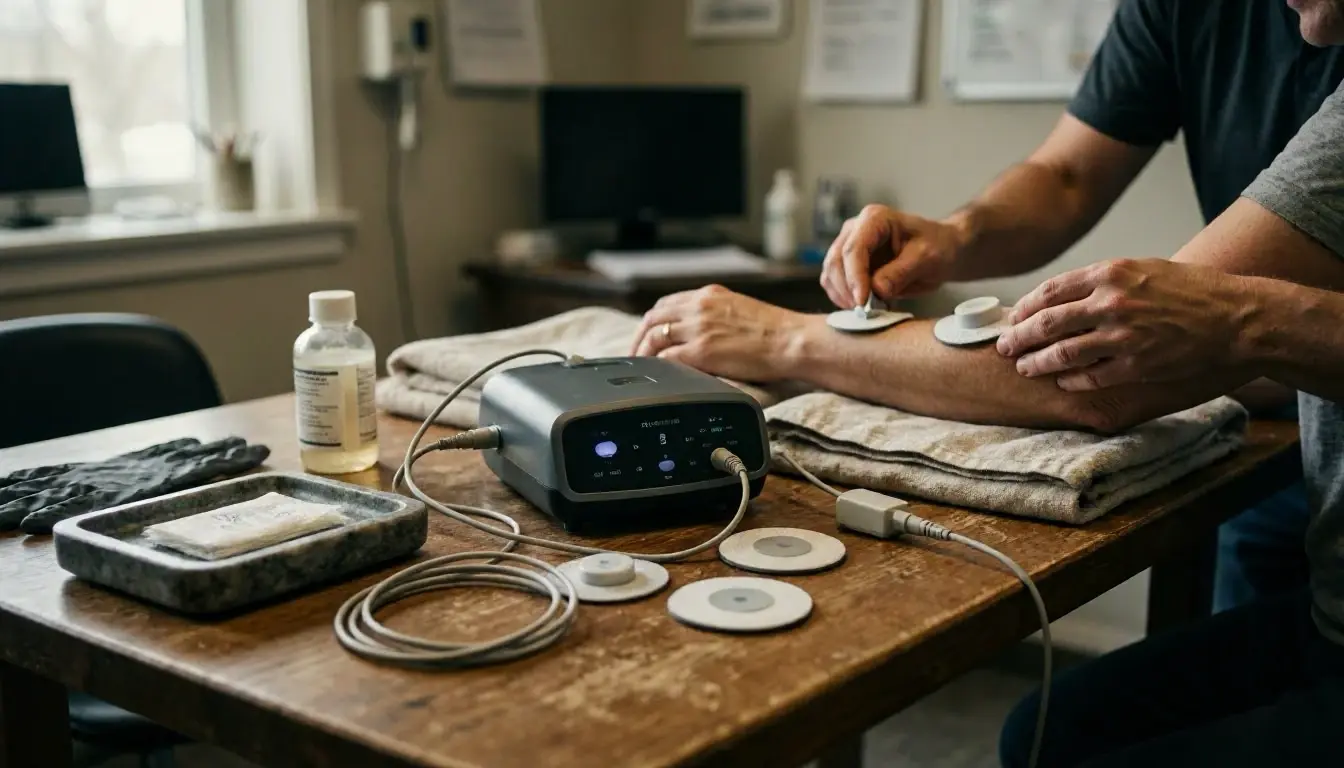
Electrotherapy in Chiropractor: Electrotherapy is a medical treatment that uses electrical currents to reduce pain—visual...

Electrotherapy helps the body heal. It also helps manage pain. It does this without surgery.

Related glossary terms: Chiropractic Care, Soft Tissue Therapy, Sciatica.

It uses small electrical currents. These go on the skin with pads. The pads are called electrodes.

These currents act like the body's signals. They talk to nerves and muscles. This is how the body works normally.

Electrotherapy works on the pain source. It doesn't use drugs. This makes it good for drug-free relief.

People used electrotherapy long ago. Today's tools are safer. They are also more exact.

Doctors and therapists use it. They treat muscle strains and joint pain. They also help with nerve swelling.

It helps after surgery too. The treatment can change. It fits each person's needs.

How Electrotherapy Works?

Electrotherapy sends small shocks. These go to the body through pads. The pads stick to clean skin.

These shocks wake up nerves. They block pain. They can make muscles move too.

There are different kinds. Each kind has a job. One is called TENS (pain blocker).

TENS stops pain signals. It keeps them from reaching the brain. Another kind is NMES (muscle helper).

NMES makes muscles tighten. This strengthens them. It helps after injuries or surgery.

The provider puts pads on the skin. The skin must be clean and dry. The pads go near the sore spot.

The device turns on. You feel tingles or pulses. It doesn't hurt.

You can change how strong it feels. Most people say it's gentle. Sessions last 10 to 30 minutes.

It's often used with other treatments. These can be adjustments or exercises. This helps you heal faster.

Why Electrotherapy Matters?
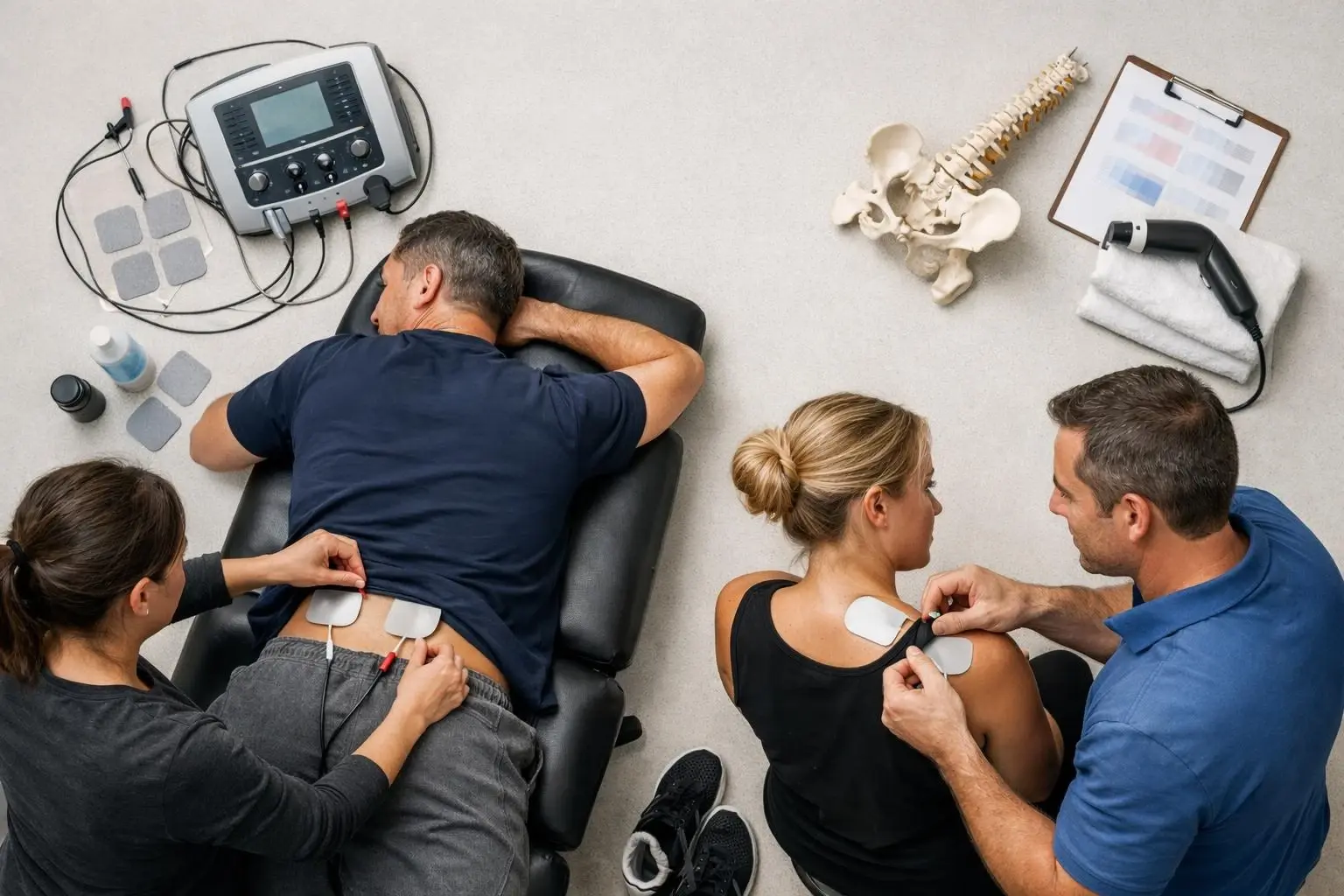
How Electrotherapy applies to Chiropractor services in Duluth, United States—practical illustration

Electrotherapy helps without drugs. It's safe. It helps with pain and healing.

People with long-term pain use it. It makes life better. It has no drug side effects.

Athletes use it too. It helps after injuries or surgery. It keeps muscles strong.

It also cuts swelling. It boosts blood flow. This helps the body heal faster.

It works alone or with other treatments. It fits many problems. These include back pain and arthritis.

It helps after a stroke too. It teaches muscles to work again. It doesn't hurt.

It has few risks. It's good for many people. Some can't take drugs or have surgery.

When Electrotherapy Matters Most?

Electrotherapy helps with pain. It helps with weak muscles. It helps when healing is slow.

People use it after car crashes. They use it after sports injuries. They use it after surgery.

It helps with long-term pain. This includes arthritis and sciatica (nerve pain). It also helps with neuropathy (nerve damage).

Athletes use it to heal fast. They also use it to keep muscles strong. This is during breaks from sports.

It helps when other treatments don't work. Some can't take pain drugs. They may have bad reactions.

It's good for people who don't want shots. They may not want surgery. It's a safe choice.

But it's not for everyone. People with pacemakers can't use it. Those with open wounds can't either.

A doctor can check if it's safe. They can see if it fits your needs.

How to Evaluate Electrotherapy?

Related Concepts Compared

Electrotherapy vs. TENS (Transcutaneous Electrical Nerve Stimulation)

TENS is a type of electrotherapy focused solely on pain relief by blocking nerve signals. While electrotherapy includes other methods like muscle stimulation and tissue healing.

Electrotherapy vs. Ultrasound Therapy

Ultrasound therapy uses sound waves to promote healing. While electrotherapy uses electrical currents. Both are non-invasive but work differently.

Electrotherapy vs. Cold Laser Therapy

Cold laser therapy uses light energy to reduce pain and inflammation. While electrotherapy uses electrical currents. They are often used together for enhanced results.

Expert Note

Electrotherapy is most effective when customized to the patient’s specific condition and combined with other therapies like exercise or manual adjustments. Always ensure electrodes are placed properly to target the right muscles or nerves.

Common Mistakes or Myths About Electrotherapy

  • Assuming all electrotherapy devices are the same; different types serve different purposes.
  • Thinking electrotherapy is painful—it should feel like a gentle tingling, not a shock.
  • Using electrotherapy on open wounds, infections. Or near medical devices like pacemakers.
  • Expecting instant results; healing takes multiple sessions over weeks or months.
  • Self-treating without professional guidance, which can lead to incorrect electrode placement or settings.

Electrotherapy in Practice: A Real-World Example

After a car accident, a patient in Duluth, GA, experiences lingering neck pain and muscle stiffness. Their chiropractor recommends electrotherapy sessions alongside spinal adjustments. During treatment, electrodes are placed on the neck and shoulders, delivering gentle pulses that reduce pain and improve muscle relaxation. After several sessions, the patient notices less stiffness and better range of motion.

Sources & Further Reading on Electrotherapy

Related Services

Related Terms

Chiropractic Care

Chiropractic Care is a healthcare discipline focused on diagnosing and treating musculoskeletal disorders, primarily those related to the spine. Chiropractic Care uses hands-on spinal adjustments and other manual therapies to improve joint function, reduce pain. And support the body’s natural ability to heal without surgery or medication. It's commonly used for back pain, neck pain, headaches.

Soft Tissue Therapy

Soft Tissue Therapy is a hands-on treatment method that targets muscles, tendons, ligaments. And fascia to reduce pain, improve mobility. And promote healing. Soft Tissue Therapy uses techniques like massage, stretching. And pressure to break up scar tissue, release tension. And restore normal function without surgery or medication. It's commonly used for injuries, chronic pain. And postural imbalances.

Sciatica

Sciatica is sharp, shooting pain that travels from the lower back down one or both legs, caused by pressure on the sciatic nerve. This large nerve runs from the lower spine through the buttocks and down each leg. Pain often feels like burning, tingling. Or numbness and may worsen with sitting or sudden movements. Sciatica usually affects only one side of the body at a time.

Herniated Disc

Herniated Disc is a spinal condition where the soft, gel-like center of a spinal disc pushes through a tear in the disc’s tough outer layer. This bulging material can press on nearby nerves, causing pain, numbness. Or weakness in the back, arms. Or legs. Herniated discs often occur in the lower back or neck and are commonly linked to aging, injury.

Ultrasound Therapy

Ultrasound Therapy is a non-invasive treatment that uses high-frequency sound waves to promote healing in soft tissues, reduce pain. And decrease inflammation. Ultrasound Therapy delivers deep heat to muscles, tendons. And ligaments without surgery or medication, commonly used in physical therapy and chiropractic care for injuries like sprains, strains. And tendonitis.

ChiropractorDuluth.com

Have Questions About Electrotherapy?

Contact ChiropractorDuluth.com for practical guidance on Electrotherapy and related chiropractor work in Duluth.

+1 770-525-1431