Understanding Graston Technique

Graston Technique is a manual therapy method designed to address soft tissue injuries and restrictions. Healthcare providers, including chiropractors, physical therapists. And athletic trainers, use specially designed stainless-steel instruments to scan and treat areas of the body where muscles, tendons. Or ligaments may be tight, inflamed. Or scarred. The technique aims to identify and break down adhesions—bands of rigid tissue that can form after injury, surgery. Or repetitive strain. By improving tissue mobility, Graston Technique helps reduce pain, restore function. And accelerate healing.
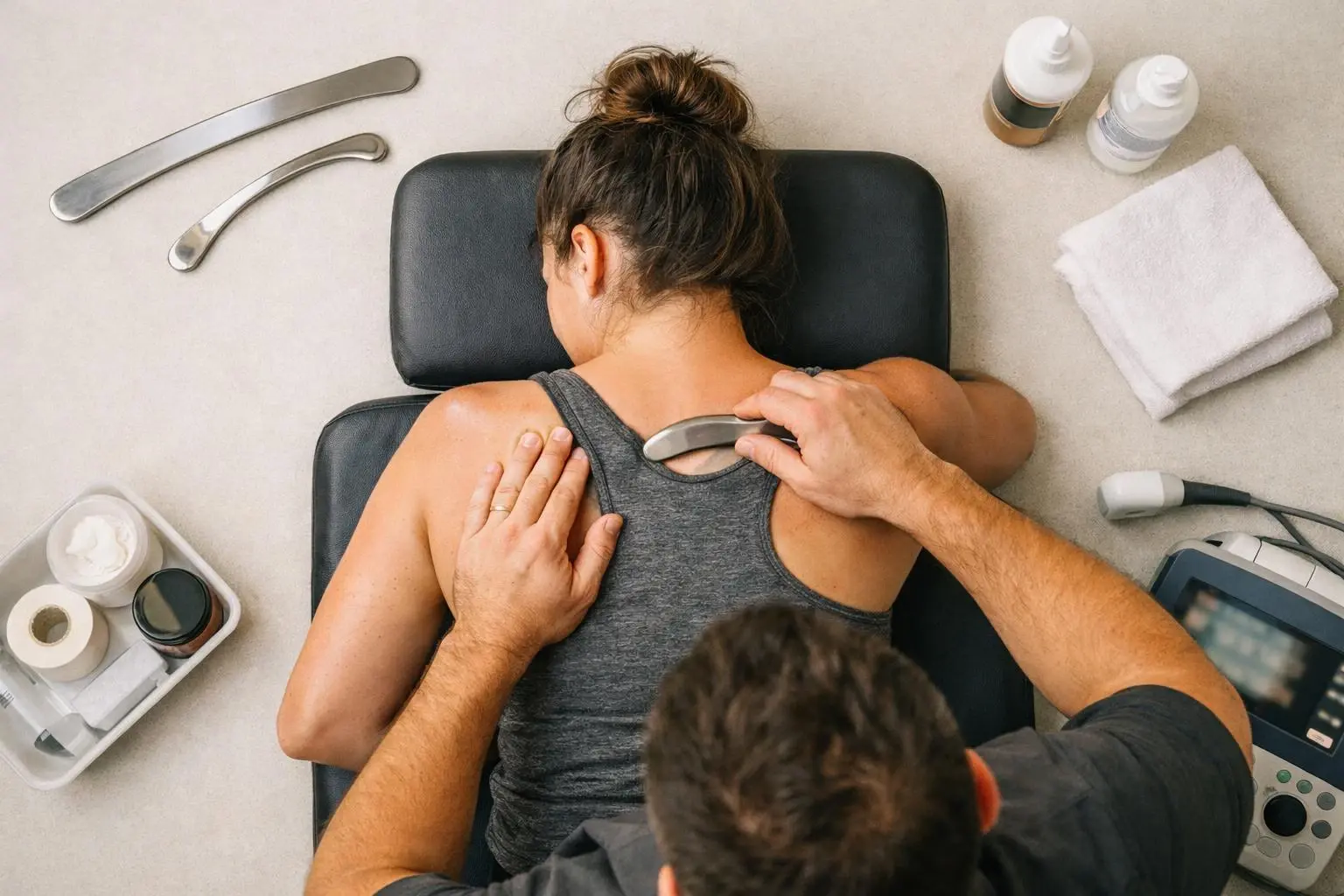
The tools used in Graston Technique are not sharp; they have smooth, curved edges that glide over the skin. When applied with the correct amount of pressure, they help providers locate areas of restriction that may not be noticeable through touch alone. The technique is often used alongside other therapies, such as stretching, exercise. Or chiropractic adjustments, to boost overall treatment outcomes. While it may sound unusual to use metal tools on the body, the method is non-invasive and generally well-tolerated when performed by a trained professional.
How Graston Technique Works?
The Graston Technique process begins with a provider assessing the patient’s movement and identifying areas of tightness or pain. Using the specialized tools, the provider applies controlled pressure to the affected soft tissues, moving the instruments in specific directions to target adhesions or scar tissue. This mechanical action helps to separate and realign fibers in the tissue, which can improve flexibility and reduce discomfort. The technique also stimulates blood flow to the area, promoting the body’s natural healing response.
During a session, patients may experience mild discomfort, especially if the tissue being treated is already inflamed or sensitive. Some redness or bruising can occur afterward, similar to what might happen after a deep tissue massage. These effects are usually temporary and subside within a day or two. Providers often recommend applying ice to the treated area and staying hydrated to help the body recover. Sessions typically last 10 to 15 minutes and are part of a broader treatment plan that may include exercises, stretches. Or other therapies.
Why Graston Technique Matters?
Graston Technique matters because it offers a targeted way to address soft tissue problems that can limit movement and cause pain. Unlike medications that only mask symptoms, this method works to restore tissue health by breaking down restrictions and improving circulation. This can be particularly valuable for athletes, workers with repetitive strain injuries. Or anyone recovering from surgery or trauma. By addressing the root cause of soft tissue dysfunction, Graston Technique can help patients return to their daily activities or sports with less pain and better mobility.
Another key benefit of Graston Technique is its ability to complement other therapies. For example, chiropractic adjustments focus on joint alignment. While Graston Technique targets the muscles and connective tissues surrounding those joints. When used together, these therapies can provide more full relief for conditions like back pain, neck stiffness. Or shoulder injuries. The technique is also supported by research, with studies showing improvements in range of motion, pain levels. And recovery times for conditions like plantar fasciitis, tennis elbow. And carpal tunnel syndrome.
When Graston Technique Matters Most?
Graston Technique is most beneficial in situations where soft tissue restrictions are contributing to pain or limited movement. Common scenarios include recovery from sports injuries, such as sprains or strains. Or conditions caused by repetitive motions, like typing or lifting. It can also be helpful for patients recovering from surgery, where scar tissue may form and restrict mobility. And Graston Technique is often used to treat chronic conditions like tendinitis, plantar fasciitis. Or it band syndrome, where traditional treatments may not have provided sufficient relief.
Many projects start with Patients who have tried rest, ice. Or medication without success may find Graston Technique to be a useful addition to their treatment plan. But it's not suitable for everyone. People with open wounds, infections. Or certain circulatory disorders should avoid the technique, as it could worsen these conditions. Providers typically conduct a thorough evaluation before recommending Graston Technique to ensure it is safe and appropriate for the patient’s specific needs. When used correctly, it can be a valuable tool for improving soft tissue health and enhancing overall recovery.