Glossary

What is Muscle Strain?

Muscle Strain is an injury that occurs when muscle fibers stretch or tear due to overexertion, sudden movement. Or improper use. Muscle strains commonly affect the back, neck, shoulders. And legs, causing pain, swelling. And limited movement. They range from mild discomfort to severe tears requiring medical attention.

Reviewed by Dr. Harry W. Brown, D.C.Sources reviewed: Mayo Clinic, American Academy of Orthopaedic Surgeons

Quick Facts About Muscle Strain

Category

Soft tissue injury

Used for

Diagnosing muscle overuse or trauma

Common confusion

Often mistaken for ligament sprains or joint injuries

Also called

Pulled muscle, Muscle pull

Often discussed with

Sports Injury Chiropractic Care, Work Injury Treatment

Key Takeaways About Muscle Strain

Understanding Muscle Strain
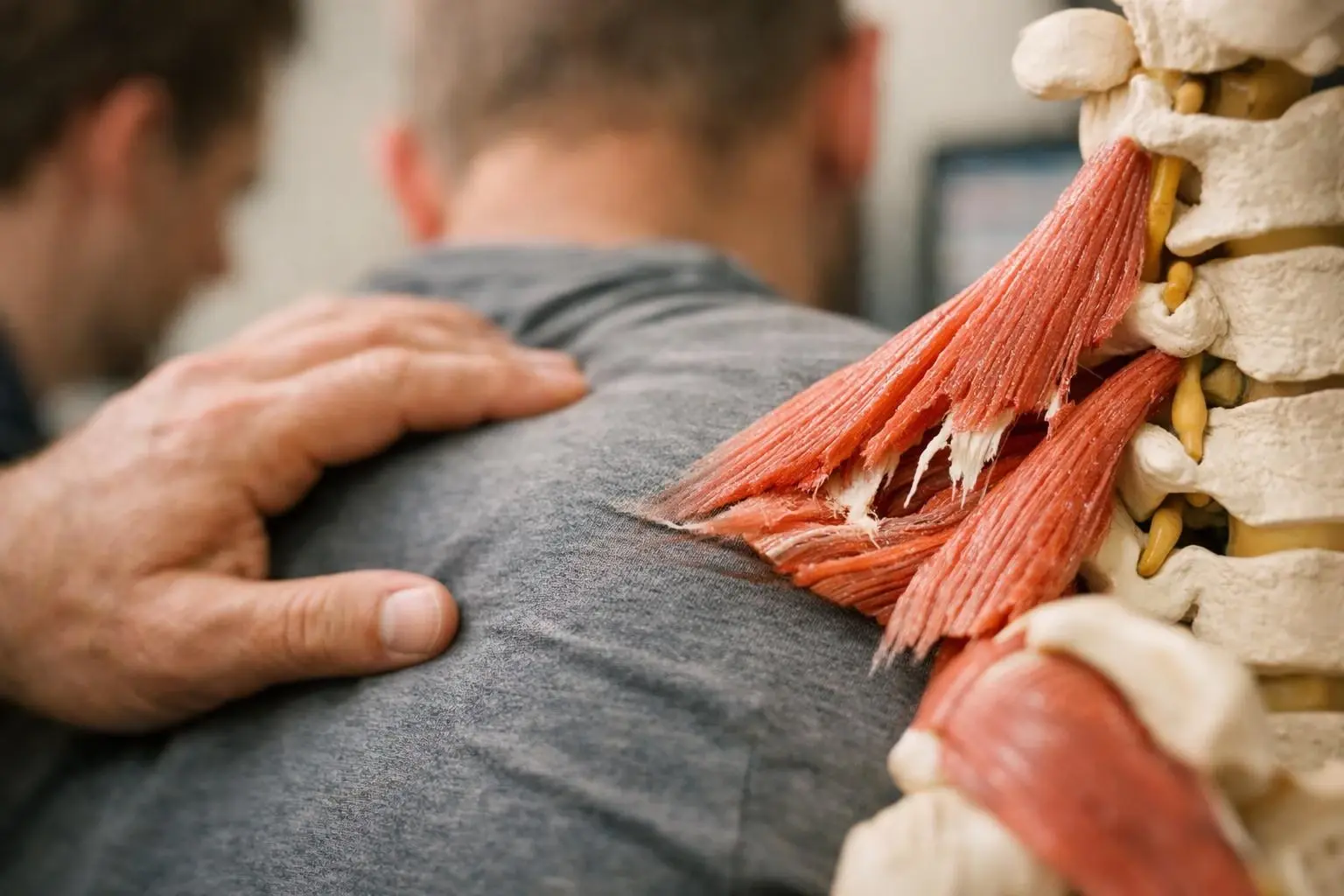
Muscle Strain in Chiropractor: Muscle Strain is an injury that occurs when muscle fibers stretch or—visual guide

A muscle strain happens when fibers stretch too far. They can also tear. This often happens during activities.

Related glossary terms: Soft Tissue Injury, Back Pain, Neck Pain.

You might lift something heavy. You might play sports. Sudden moves can cause strains too. Strains can hurt any muscle.

They happen most in the lower back. They also happen in the neck, shoulders. And hamstrings. How bad it is depends on the damage.

Some strains are mild. Others are bad tears. Bad tears need a doctor.

Strains are not the same as sprains. Sprains hurt ligaments (tough bands). Strains hurt muscles.

Both cause pain and swelling. But strains hurt muscle tissue. Causes include not being fit enough.

Being tired can cause them. So can skipping warm-ups. Doing the same move over and over can too.

Spotting signs early helps. Pain, bruising. Or weak muscles are signs. This stops more damage.

How Muscle Strain Works?

When a muscle strains, tiny tears happen. These tears are in fibers or tendons (ropes to bones). They cause swelling and pain.

The body sends extra blood to help. This fixes the muscle but hurts too. Mild strains heal in days.

Bad strains take weeks or months. They take longer if hurt again.

Doctors sort strains into three types. Grade 1 is small stretching. It hurts a little but you stay strong.

Grade 2 is a partial tear. It hurts more. You get swelling. The muscle works less.

Grade 3 is a full tear. It hurts a lot. You can't use the muscle. You may need tests.

Tests like ultrasound or MRI (pictures inside) show the damage.

Why Muscle Strain Matters?
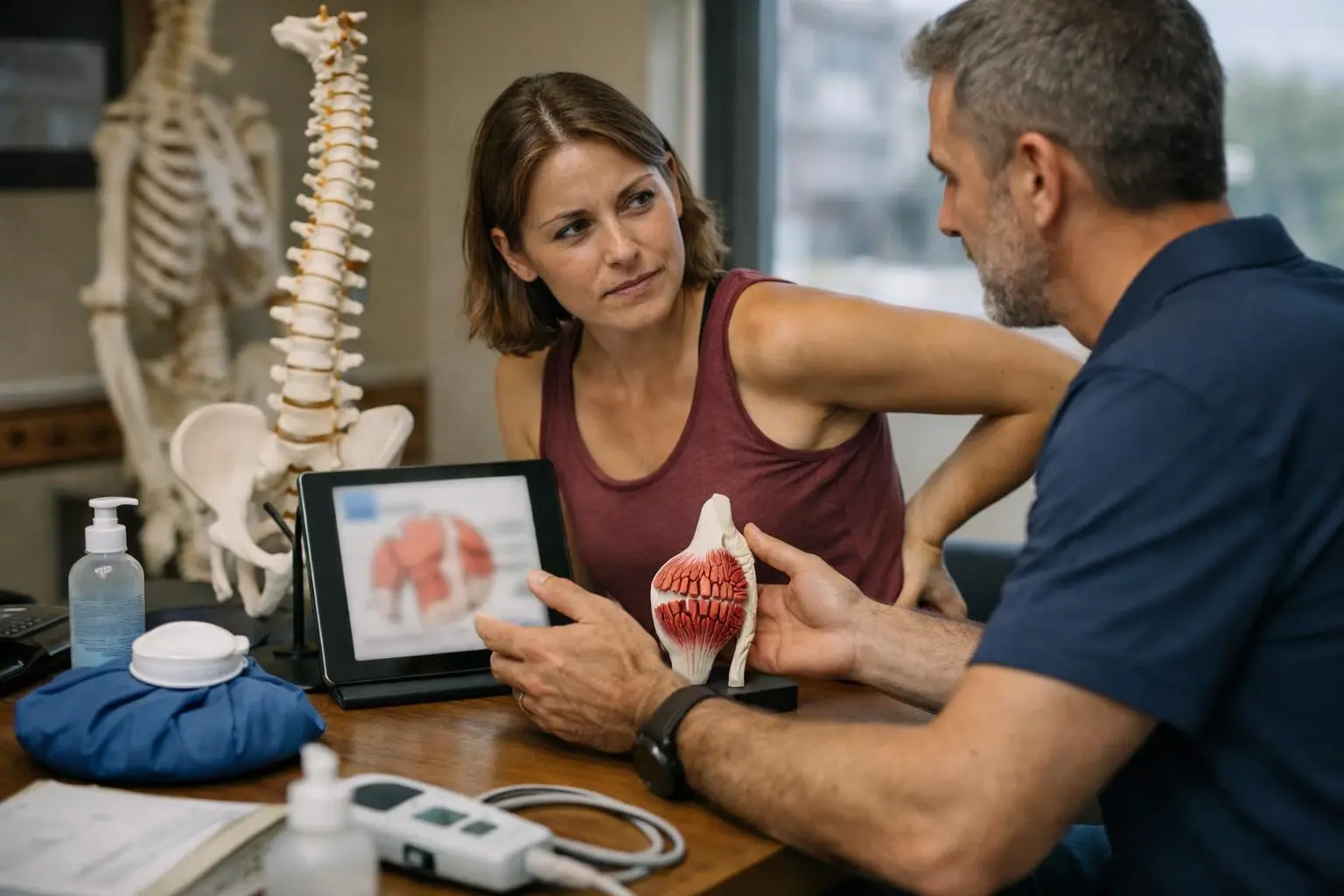
How Muscle Strain applies to Chiropractor services in Duluth, United States—practical illustration

Muscle strains hurt more than just for a bit. They can stop daily tasks. They can stop work and sports.

Going back too soon can hurt again. It can cause long-term pain. It can make muscles weak.

Good care helps muscles heal right. It brings back strength. It brings back flexibility.

Without care, even small strains cause trouble. Other muscles or joints can get hurt too.

Strains can keep athletes out for weeks. At work, they come from doing the same move. They come from lifting wrong.

This can cost time and money. Rest, ice. And gentle stretching help. They make healing faster.

They also stop problems like scar tissue. Scar tissue is stiff and lumpy.

When Muscle Strain Matters Most?

Strains are bad when you need to move. Sports, jobs. And daily tasks get hard. Lifting groceries can hurt.

People who work out hard get strains. They get them if they skip warm-ups. They get them if they're not fit.

Leg and back muscles carry weight. Strains there make walking hard. They make standing and sitting hurt.

Jobs like building or nursing have risks. So do sports. Older people get strains easier.

Their muscles get less stretchy. Untreated strains can cause long pain. They can cause other problems.

Spotting signs early helps. So does the right care. Chiropractors can adjust (fix) your body.

They use soft tissue work. They use rehab (fixing with exercises). This stops long-term trouble.

It helps you move again faster.

How to Evaluate Muscle Strain?

Related Concepts Compared

Muscle Strain vs. Ligament Sprain

A sprain affects ligaments (tissues connecting bones). While a muscle strain involves muscles or tendons. Both cause pain but require different treatments.

Muscle Strain vs. Muscle Cramp

A cramp is a sudden, involuntary muscle contraction. While a strain is an overstretching or tearing of muscle fibers. Cramping usually resolves quickly, whereas strains need rest.

Expert Note

Muscle strains often recur if the underlying cause—such as poor posture, muscle imbalances. Or improper technique—isn’t addressed. Rehabilitation should focus on strengthening and flexibility to prevent future injuries.

Common Mistakes or Myths About Muscle Strain

  • Ignoring a muscle strain and continuing activity, which can worsen the injury.
  • Confusing a strain with a sprain and treating it incorrectly.
  • Using heat too soon after injury—heat increases swelling in the first 48 hours.
  • Skipping warm-up exercises before physical activity, increasing strain risk.
  • Returning to full activity before the muscle fully heals, leading to reinjury.

Muscle Strain in Practice: A Real-World Example

A warehouse worker lifts a heavy box without bending their knees, feeling a sharp pain in their lower back. Over the next few hours, the area swells and stiffens, making it difficult to stand or walk. A chiropractor diagnoses a muscle strain and recommends rest, ice. And gentle stretching to aid recovery.

Related Services

Related Terms

Soft Tissue Injury

Soft Tissue Injury is damage to the body’s muscles, tendons, ligaments. Or fascia caused by sudden trauma, overuse. Or repetitive stress. These injuries often result in pain, swelling, bruising. Or reduced movement and can occur during sports, accidents. Or daily activities. Unlike bone fractures, soft tissue injuries affect non-bony structures that support and connect the body.

Back Pain

Back Pain is discomfort, soreness. Or ache felt anywhere along the spine, from the neck to the lower back. Back Pain can be sharp, dull, constant. Or occasional. And may limit movement or daily activities. It often results from muscle strain, poor posture, injury. Or underlying medical conditions like disc herniation or arthritis.

Neck Pain

Neck Pain is discomfort, stiffness. Or soreness in the cervical spine—the seven vertebrae that support the head and connect to the upper back. Neck Pain can range from mild, temporary aches to severe, chronic pain that limits movement and daily activities. Causes include muscle strain, poor posture, injury, arthritis.

Myofascial Release

Myofascial Release is a hands-on therapy technique that applies gentle, sustained pressure to the connective tissue (fascia) surrounding muscles, bones. And organs. This method aims to relieve tension, improve mobility. And reduce pain by releasing tight or restricted areas in the fascia, often caused by injury, inflammation.

Electrical Muscle Stimulation

Electrical Muscle Stimulation is a therapeutic technique that uses controlled electrical currents to cause muscle contractions. These contractions help reduce pain, improve circulation. And promote healing in injured or weakened muscles. The treatment is non-invasive and often used alongside chiropractic care to support recovery from injuries, surgeries.

Arrowhead Clinic

Have Questions About Muscle Strain?

Contact Arrowhead Clinic for practical guidance on Muscle Strain and related chiropractor work in Duluth.

+1 770-525-1431