Understanding Soft Tissue Injury

Soft Tissue Injury refers to harm done to the body’s soft structures, including muscles, tendons, ligaments. And fascia. These tissues connect, support. And surround bones and organs. Unlike bone injuries, which involve fractures or breaks, soft tissue injuries affect the flexible parts that allow movement and stability. Common examples include sprains, strains, contusions (bruises). And tendonitis. These injuries can happen suddenly, like a twisted ankle. Or develop over time from repetitive motions, such as typing or running.
Soft tissue injuries are common in everyday life and can range from mild to severe. A mild injury might cause slight discomfort and heal quickly with rest. While a severe injury can lead to significant pain, swelling. And limited function. For example, a muscle strain might cause a sharp pain during activity. While a ligament sprain could make it difficult to walk or move a joint. Understanding the type and severity of the injury helps determine the best treatment approach.
How Soft Tissue Injury Works?
Soft tissue injuries occur when the body’s muscles, tendons, ligaments. Or fascia are stretched, torn. Or damaged. The injury process often begins with inflammation, a natural response that brings blood and healing cells to the affected area. While inflammation helps protect and repair the tissue, it also causes swelling, pain. And warmth. Over time, the body repairs the damaged tissue by forming new fibers. But this process can take days to months depending on the injury’s severity.
In practice, The healing process typically follows three stages: acute inflammation, repair. And remodeling. During the acute phase, the body focuses on cleaning up damaged cells and preventing further injury. That means when rest, ice, compression. And elevation (RICE) are most effective. In the repair phase, new tissue forms to replace the damaged area. But it may not be as strong as the original tissue. Finally, during remodeling, the body strengthens and reorganizes the new tissue to restore function. Proper care during each stage helps ensure a full recovery.
- Acute inflammation: Lasts 2-3 days; swelling and pain are most noticeable.
- Repair phase: Lasts 2-6 weeks; new tissue begins to form.
- Remodeling phase: Can last months; tissue strengthens and regains function.
Why Soft Tissue Injury Matters?
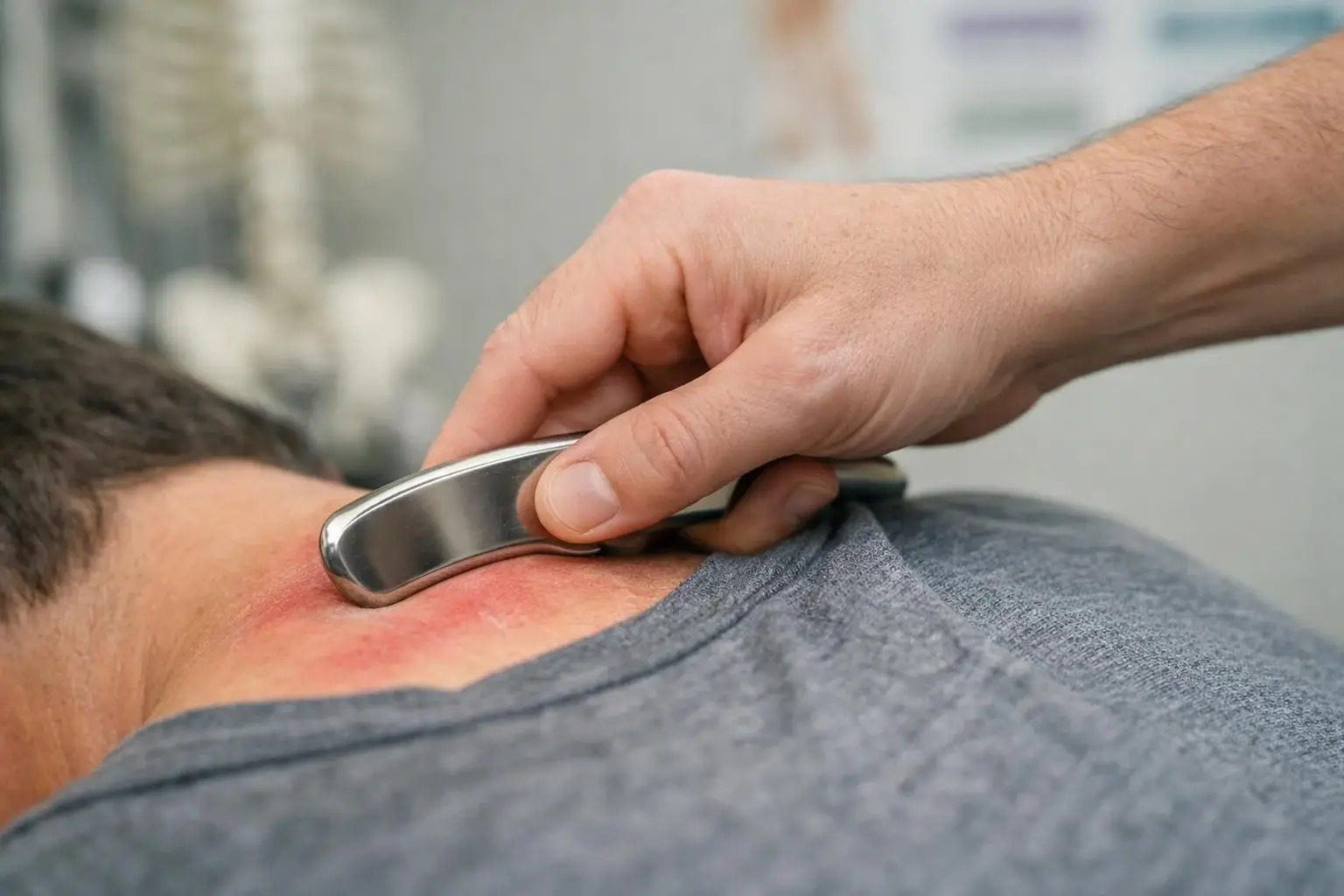
Soft tissue injuries matter because they can significantly impact daily life and long-term health. Even minor injuries, like a strained muscle, can cause discomfort and limit movement, making it difficult to perform everyday tasks or enjoy activities. More severe injuries, such as a torn ligament, may require medical attention, physical therapy. Or even surgery to restore function. Without proper treatment, soft tissue injuries can lead to chronic pain, weakness. Or instability in the affected area.
Beyond physical discomfort, soft tissue injuries can also affect mental well-being. Persistent pain or limited mobility may lead to frustration, stress. Or difficulty participating in work or social activities. Early and appropriate care helps prevent complications, speeds up recovery. And reduces the risk of re-injury. Understanding soft tissue injuries also helps individuals make informed decisions about activity levels, exercise. And when to seek professional help.
When Soft Tissue Injury Matters Most?
Soft tissue injuries matter most in situations where movement, stability. Or strength are critical. For example, athletes rely on healthy soft tissues to perform at their best. And an injury can sideline them for weeks or months. Similarly, workers in physically demanding jobs, such as construction or healthcare, may face challenges if an injury limits their ability to lift, carry. Or move safely. Even office workers can experience soft tissue injuries from repetitive motions, like typing or using a mouse, leading to conditions like carpal tunnel syndrome.
Soft tissue injuries also become important when symptoms persist or worsen. If pain, swelling. Or stiffness doesn't improve with rest and self-care, it may signal a more serious issue requiring professional evaluation. Ignoring symptoms can lead to long-term damage, chronic pain. Or compensatory injuries in other parts of the body. And soft tissue injuries often occur alongside other conditions, such as joint dislocations or fractures, making accurate diagnosis essential for proper treatment.
- After accidents, like car crashes or falls, where sudden force damages soft tissues.
- During sports or physical activities that involve jumping, running. Or quick direction changes.
- In jobs requiring repetitive motions, heavy lifting. Or prolonged standing.
- When symptoms like pain, swelling. Or weakness don't improve with rest.
- If the injury affects daily activities, such as walking, lifting. Or sleeping.