Understanding Myofascial Release

Myofascial Release is a specialized form of manual therapy designed to address restrictions in the fascia, the thin layer of connective tissue that surrounds muscles, bones, nerves. And organs throughout the body. Fascia plays a crucial role in movement, support. And shock absorption. But it can become tight or restricted due to injury, overuse, inflammation. Or poor posture. When fascia tightens, it can cause pain, limit mobility. And contribute to discomfort in areas far from the original restriction. For example, tightness in the hips might lead to lower back pain.
Unlike traditional massage, which primarily focuses on muscles, Myofascial Release targets the fascia itself. The technique involves applying gentle, sustained pressure to areas of tension, allowing the fascia to gradually stretch and release. This process helps restore natural movement patterns and reduces pain by addressing the root cause of tightness rather than just the symptoms. Myofascial Release is often used as part of a broader treatment plan, including chiropractic care, physical therapy. Or rehabilitation programs.
How Myofascial Release Works?
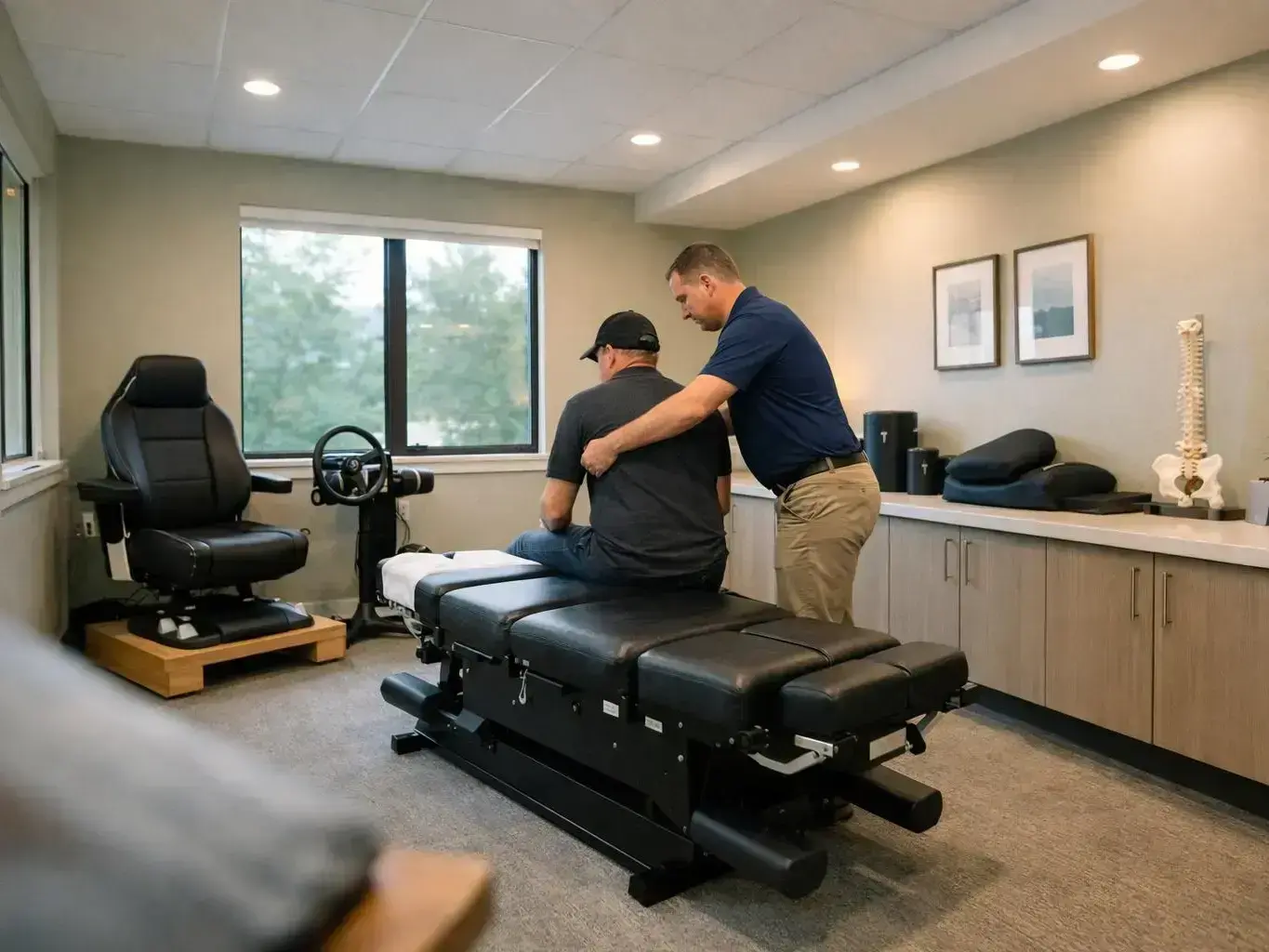
During a Myofascial Release session, a trained therapist uses their hands to identify areas of fascial restriction by feeling for tightness, stiffness. Or resistance in the tissue. The therapist then applies slow, steady pressure to the restricted area, holding the stretch for several minutes to allow the fascia to release. This pressure may feel like a gentle pulling or stretching sensation. But it should not be painful. The goal is to encourage the fascia to relax and lengthen, which can improve blood flow, reduce inflammation. And restore normal movement.
The effects of Myofascial Release are often cumulative, meaning that multiple sessions may be needed to achieve lasting results. Some people experience immediate relief after one session. While others may require several treatments to notice significant improvements. The technique can be performed on various parts of the body, including the back, neck, shoulders, hips. And limbs. It's commonly used to address conditions such as chronic pain, headaches, sciatica. And postural imbalances.
Myofascial Release can also be combined with other therapies, such as chiropractic adjustments or stretching exercises, to boost overall results. For example, a chiropractor might use Myofascial Release to loosen tight muscles before performing an adjustment, making the adjustment more effective and comfortable for the patient.
Why Myofascial Release Matters?

Myofascial Release matters because it addresses a common but often overlooked source of pain and dysfunction: fascial restrictions. Many people experience chronic pain or stiffness that doesn't improve with traditional treatments like medication or generic stretching. By targeting the fascia, Myofascial Release offers a non-invasive, drug-free way to relieve discomfort and improve mobility. This can be particularly valuable for individuals recovering from injuries, surgeries. Or conditions that limit movement, such as arthritis or fibromyalgia.
Another key benefit of Myofascial Release is its ability to improve posture and movement efficiency. When fascia becomes tight or restricted, it can pull the body out of alignment, leading to poor posture, compensatory movements. And increased risk of injury. By releasing these restrictions, Myofascial Release helps the body move more freely and naturally, reducing strain on muscles and joints. This can be especially helpful for athletes, office workers. Or anyone who spends long hours sitting or performing repetitive tasks.
When Myofascial Release Matters Most?
Myofascial Release is most beneficial in situations where pain, stiffness. Or limited mobility interferes with daily activities or quality of life. For example, someone recovering from a car accident or sports injury may use Myofascial Release to reduce scar tissue formation and improve flexibility. Similarly, individuals with chronic conditions like lower back pain, neck stiffness. Or tension headaches may find relief through regular Myofascial Release sessions. The technique is also useful for addressing postural issues caused by prolonged sitting, standing. Or repetitive movements, such as those common in office jobs or manual labor.
For local customers, In Duluth, GA, Myofascial Release is often included in chiropractic care plans for patients dealing with work-related injuries, car accident recovery. Or sports-related strains. For instance, a construction worker with persistent shoulder pain might benefit from Myofascial Release to address tightness in the upper back and shoulders, allowing them to return to work with less discomfort. Similarly, an office worker experiencing neck pain from long hours at a computer may find relief through targeted Myofascial Release sessions combined with ergonomic adjustments.
Myofascial Release may not be suitable for everyone. People with certain medical conditions, such as open wounds, fractures. Or severe osteoporosis, should consult a healthcare provider before undergoing this therapy. And while Myofascial Release is generally safe, some individuals may experience temporary soreness or bruising after a session, which typically resolves within a day or two.