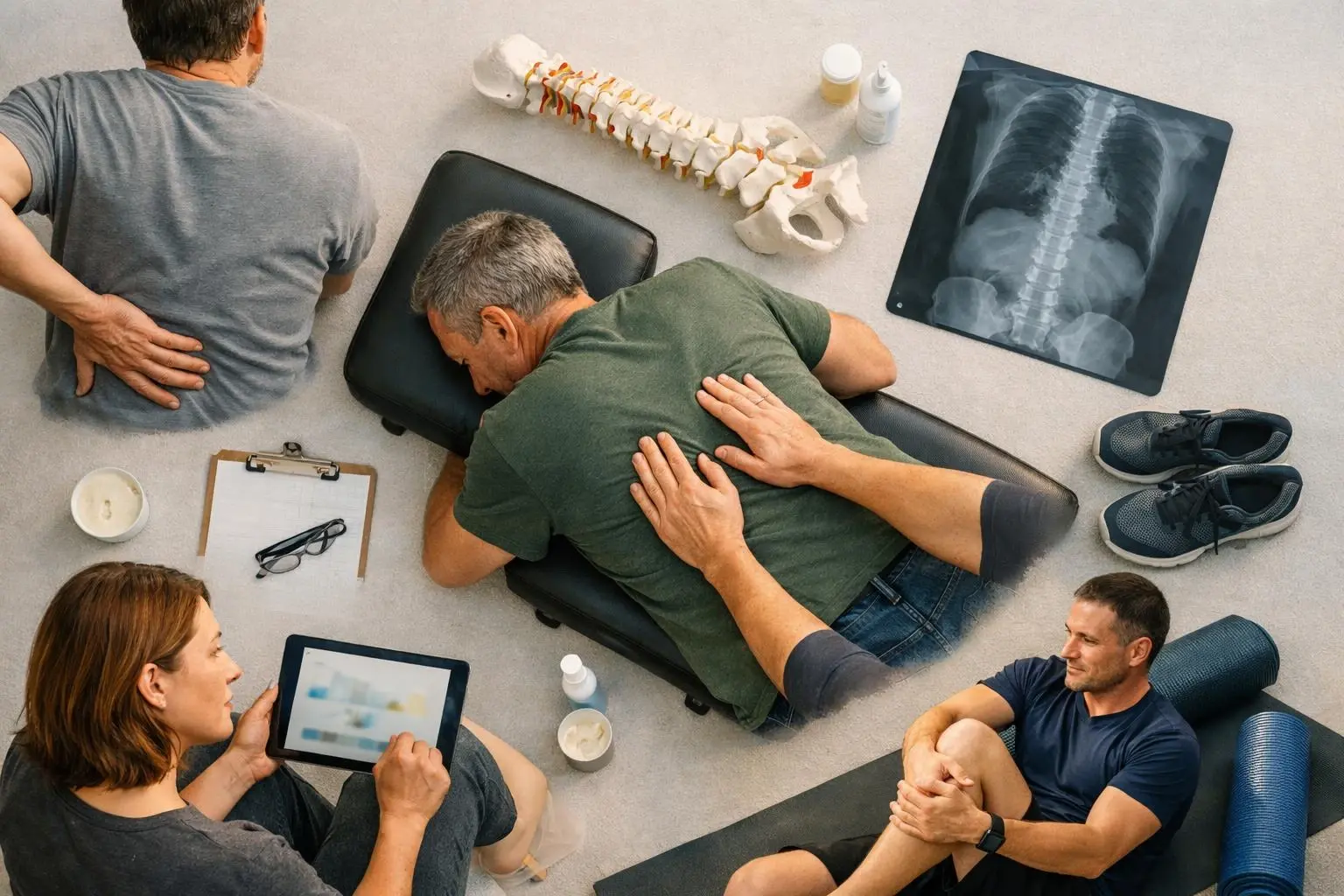
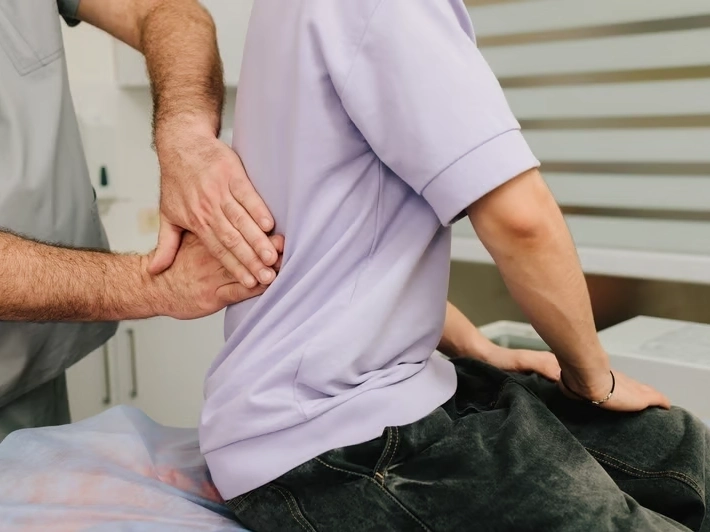
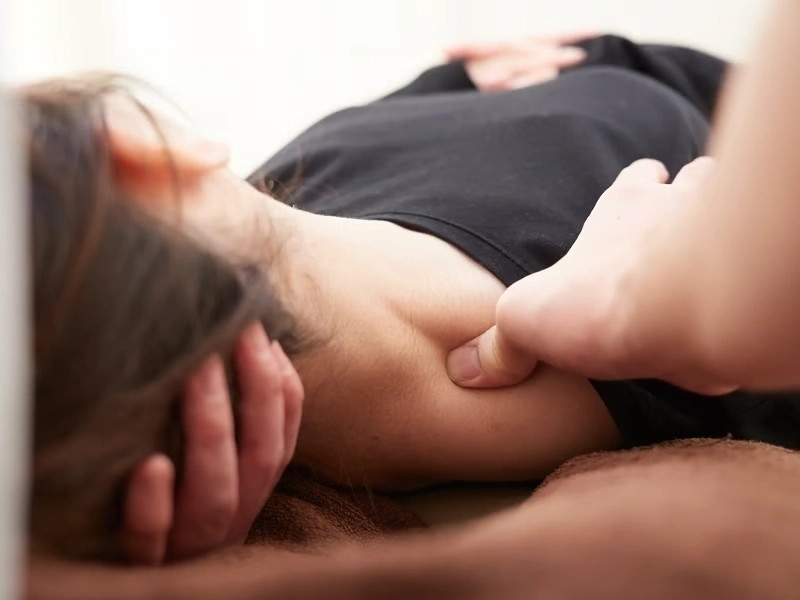
Back Pain is discomfort, soreness. Or ache felt anywhere along the spine, from the neck to the lower back. Back Pain can be sharp, dull, constant. Or occasional. And may limit movement or daily activities. It often results from muscle strain, poor posture, injury. Or underlying medical conditions like disc herniation or arthritis.
Category
Musculoskeletal condition
Used for
Identifying spine-related discomfort or injury
Common confusion
Often mistaken for kidney pain or general fatigue
Also called
Spinal Pain, Lower Back Pain
Often discussed with
Car Accident Injury Rehabilitation, Work Injury Treatment

Back pain is very common. Many people see a doctor for it. Others miss work because of it.
Related glossary terms: Disc Herniation, Muscle Strain, Spinal Stenosis.
Pain can be mild or bad. It may hurt all the time. Simple tasks can feel hard.
The spine has bones, muscles. And nerves. Any part can get hurt or sore. Most back pain is not serious.
But it can still make life hard. You may not do things you enjoy.
Back pain has two types. One is acute (short-term). The other is chronic (long-term).
Acute pain starts fast. It often comes after an injury. It lasts days or weeks.
Chronic pain lasts months. It may come and go. Both types can happen from daily tasks.
Lifting heavy things can cause pain. So can sitting too long. Sleeping in a bad position can too.
Knowing the type helps with treatment. The cause matters too.
Back pain happens when parts don’t work right. The spine, muscles. Or nerves may have problems.
The spine has bones called vertebrae. They stack on top of each other. Discs act like cushions between them.
A disc can bulge or break. This is called a herniated disc. It can press on nerves.
This causes pain, numbness. Or weakness. Muscles and ligaments can also get hurt.
They may tear from overuse. Bad posture can cause this too. Sudden moves can hurt them as well.
Nerves send signals to the brain. When nerves hurt, the brain feels pain.
Pain may spread to legs or arms. The problem may be in the back.
Sciatica is one example. It causes leg pain. It happens when a nerve gets pressed.
Tests like X-rays help find causes. MRIs (a type of scan) help too. But doctors often check symptoms first.

Back pain can change your life. Even mild pain makes sitting hard.
Standing or moving may hurt. This can affect work and fun.
Some people miss work. Others can’t do their jobs well.
Long-term pain can cause stress. It may lead to sadness or worry.
Treating pain early helps. Simple changes can make a difference.
Better posture helps. So does moving more. Special chairs can too.
For bad pain, see a doctor. A chiropractor (back doctor) can help. So can a physical therapist.
Don’t ignore back pain. It may get worse. Early help means faster healing.
Back pain matters most when it won’t go away. Rest should help. If it doesn’t, see a doctor.
Pain after a fall needs a check. So does pain after a car crash.
Pain in legs or numbness is serious. So is trouble with your bladder.
These may mean a pinched nerve. A spinal injury can cause them too. Get help right away.
Some people get back pain more. Older adults do. So do people who sit a lot.
Jobs with heavy lifting cause pain. So can sports. Bad form can hurt too.
Pregnant women often have back pain. Their bodies change fast. This affects their backs.
Early help keeps you active. It stops long-term problems. Stay healthy and pain-free.
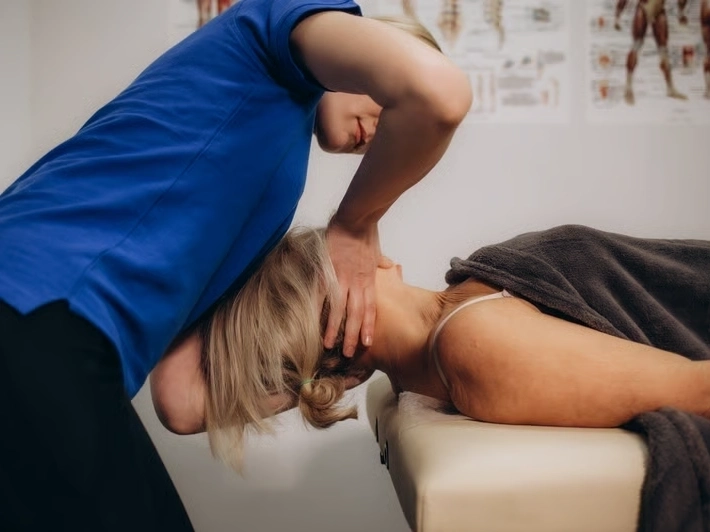
Muscle Strain is a specific injury to muscles or tendons, often causing localized Back Pain. Back Pain is a broader term that includes muscle strain as well as other causes like disc herniation or arthritis.
Sciatica is a type of Back Pain that radiates down the leg due to pressure on the sciatic nerve. Back Pain refers to any spine-related discomfort, whether or not it spreads to other areas.
Neck Pain affects the upper spine. While Back Pain can occur anywhere along the spine, including the middle or lower back.
Back Pain is often misunderstood as a single condition. But it can stem from dozens of underlying issues. A thorough evaluation, including patient history and physical exam, is key to identifying the root cause and tailoring treatment effectively.
After lifting a heavy box, a warehouse worker feels a sharp pain in his lower back. The pain worsens when he bends or twists. And he notices stiffness in the morning. His doctor explains that he likely strained his back muscles and recommends rest, ice. And gentle stretches. After a few weeks, the pain improves. But he learns to lift with his legs to prevent future Back Pain.
Disc Herniation is a spinal condition where the soft, gel-like center of a spinal disc pushes through a tear in the tougher outer layer, often pressing on nearby nerves. This can cause pain, numbness. Or weakness in the back, neck, arms. Or legs. Disc herniation typically occurs in the lower back or neck and is often caused by aging, injury. Or strain.
Muscle Strain is an injury that occurs when muscle fibers stretch or tear due to overexertion, sudden movement. Or improper use. Muscle strains commonly affect the back, neck, shoulders. And legs, causing pain, swelling. And limited movement. They range from mild discomfort to severe tears requiring medical attention.
Spinal Stenosis is a narrowing of the spaces within the spine, which can put pressure on the nerves that travel through it. This condition most commonly occurs in the lower back and neck and often develops due to aging, wear-and-tear. Or conditions like arthritis. Symptoms may include pain, numbness, muscle weakness.
Subluxation is a partial dislocation of a joint, particularly in the spine, where the bones shift out of their normal alignment but don't fully separate. This misalignment can irritate nerves, cause pain, reduce mobility. And interfere with the body’s natural healing ability. Chiropractors identify and correct subluxations to restore proper function and relieve discomfort.
Arrowhead Clinic
Contact Arrowhead Clinic for practical guidance on Back Pain and related chiropractor work in Duluth.