Understanding Electrical Muscle Stimulation
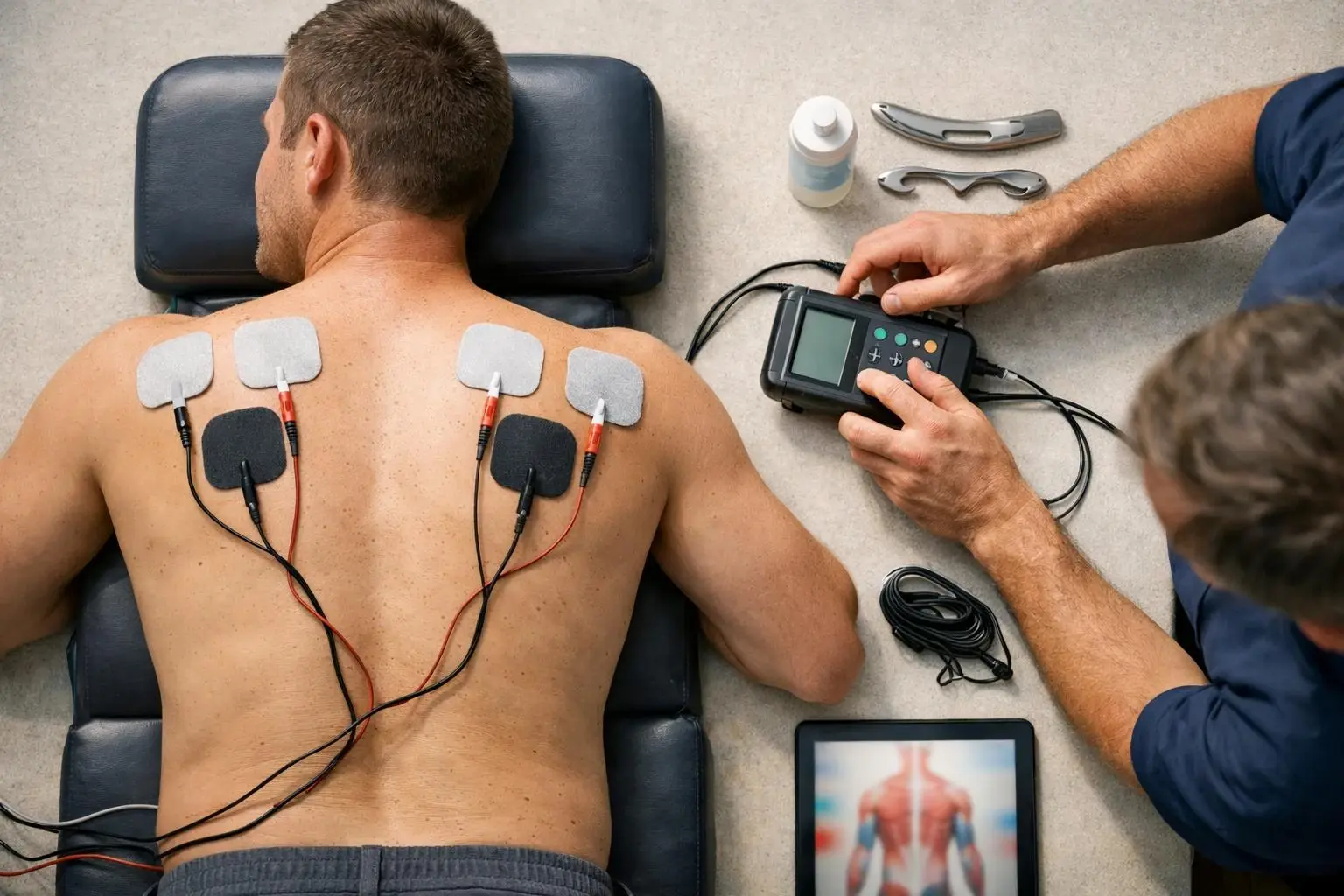
Electrical Muscle Stimulation, often abbreviated as EMS, is a form of therapy that delivers small electrical impulses to muscles through electrodes placed on the skin. These impulses mimic the natural signals sent by the brain to cause muscle contractions. Unlike voluntary movements, EMS can target specific muscle groups even when a person is unable to move them on their own. This makes it particularly useful for patients recovering from injuries, surgeries. Or conditions that limit mobility.
The electrical currents used in EMS are mild and controlled, ensuring they're safe and comfortable for most patients. The intensity and frequency of the pulses can be adjusted based on the individual’s needs and tolerance. While the idea of electrical currents may sound intimidating, the sensation is usually described as a gentle tingling or tapping rather than pain. The primary goal of EMS is to support the body’s natural healing process by enhancing circulation, reducing muscle spasms. And preventing muscle atrophy.
How Electrical Muscle Stimulation Works?
During an EMS session, small electrodes are placed on the skin over the targeted muscle groups. These electrodes are connected to a device that generates the electrical impulses. When the device is turned on, the impulses travel through the electrodes and into the muscles, causing them to contract and relax rhythmically. This process helps improve blood flow to the area, which can reduce inflammation and promote healing.
The frequency and duration of the electrical pulses are carefully controlled by a healthcare professional. Lower frequencies are often used for pain relief. While higher frequencies may be used to strengthen muscles or improve endurance. Sessions typically last between 10 to 30 minutes, depending on the patient’s condition and treatment goals. EMS is often combined with other therapies, such as chiropractic adjustments or physical therapy exercises, to get the most from its benefits.
One of the key advantages of EMS is its ability to target specific muscles without requiring active participation from the patient. This makes it an ideal treatment for individuals who are unable to move certain muscles due to injury, surgery. Or neurological conditions. For example, patients recovering from a knee surgery may use EMS to prevent muscle wasting in the quadriceps while their mobility is limited.
Why Electrical Muscle Stimulation Matters?
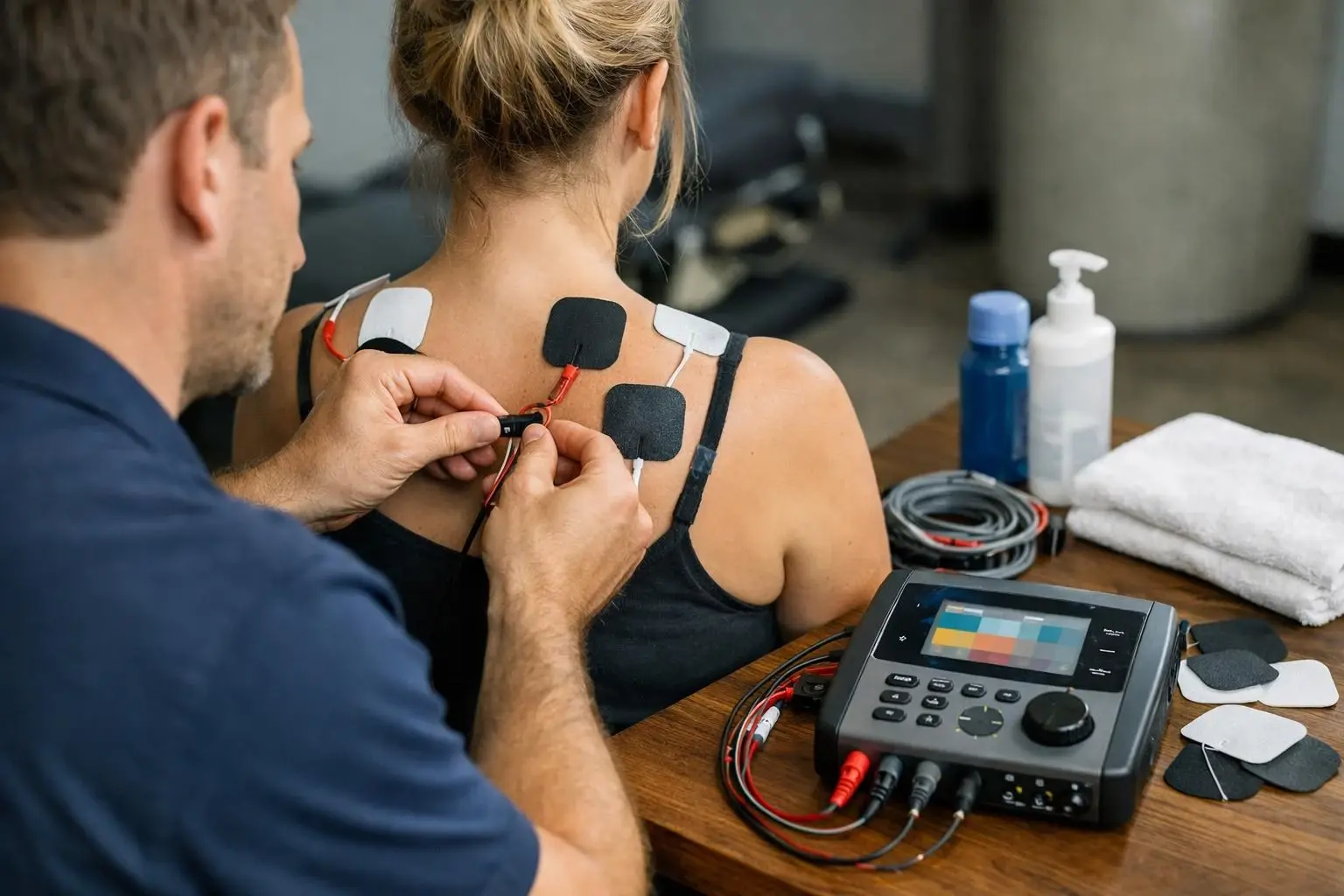
Electrical Muscle Stimulation plays a valuable role in rehabilitation and pain management by addressing issues that traditional therapies may not fully resolve. For instance, muscle weakness or atrophy can occur after prolonged periods of inactivity, such as following surgery or an injury. EMS helps counteract this by stimulating muscle contractions, which maintains muscle mass and strength. That means especially important for patients who are unable to engage in traditional exercise due to pain or mobility limitations.
Another significant benefit of EMS is its ability to reduce pain and inflammation. The electrical impulses help block pain signals sent to the brain, providing temporary relief for conditions like chronic back pain, neck pain. Or muscle strains. And the improved circulation from muscle contractions can accelerate the healing process by delivering more oxygen and nutrients to the injured area. This makes EMS a versatile tool for both acute injuries and long-term conditions.
When Electrical Muscle Stimulation Matters Most?
Electrical Muscle Stimulation is most beneficial in situations where muscle function is compromised or pain is limiting recovery. For example, athletes recovering from sports injuries often use EMS to maintain muscle strength while they are unable to train fully. Similarly, patients recovering from surgeries, such as joint replacements or spinal procedures, may use EMS to prevent muscle loss during their recovery period. EMS is also commonly used for individuals with chronic conditions, such as arthritis or fibromyalgia, to manage pain and improve muscle function.
In chiropractic care, EMS is frequently used alongside spinal adjustments to boost the overall treatment plan. For instance, a patient with a herniated disc may experience muscle spasms in the lower back. EMS can help relax these spasms, making it easier for the chiropractor to perform adjustments and reducing the patient’s discomfort. The treatment is also useful for individuals with soft tissue injuries, such as sprains or strains, as it can speed up the healing process and reduce downtime.
EMS is not suitable for everyone, however. Patients with certain medical conditions, such as pacemakers, epilepsy. Or deep vein thrombosis, may need to avoid this treatment. It's also not recommended for use on open wounds or areas with reduced sensation. A qualified healthcare provider, such as a chiropractor or physical therapist, will assess whether EMS is appropriate for a patient’s specific needs and medical history.