Understanding Spinal Decompression
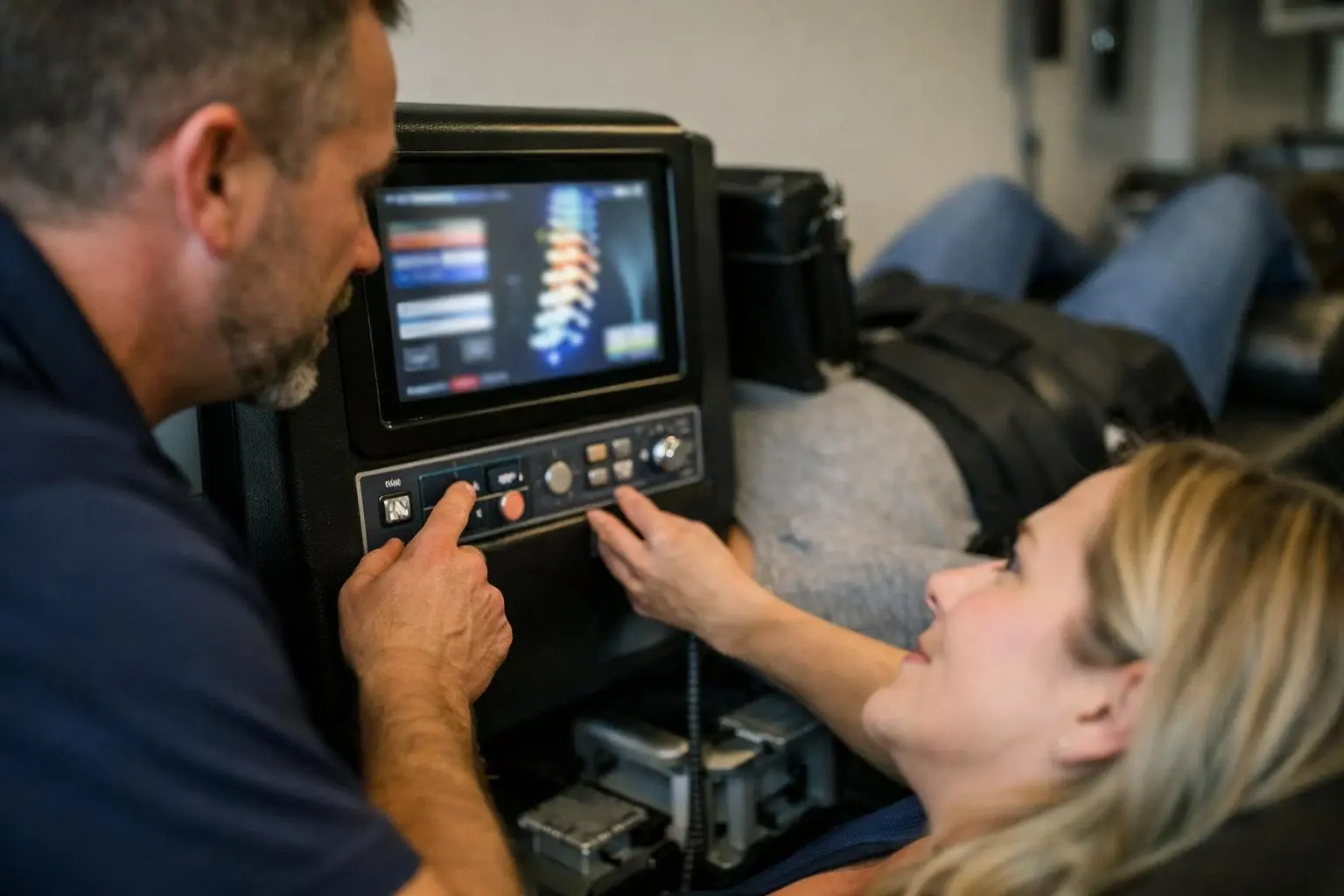
Spinal Decompression helps take pressure off your spine. This pressure can hurt your nerves. The spine gets squeezed by problems like herniated discs.
Herniated discs stick out and press on nerves. Bulging discs and spinal stenosis (a tight space in the spine) can also cause pain. The treatment gently stretches your spine.
Stretching changes how your spine holds force. It makes a pull inside your spinal discs. This pull helps herniated or bulging discs move back.
When discs move back, they can heal better. This treatment is not surgery. It does not use medicine.
You lie on a table that moves. The table pulls your spine gently. Most people feel only a light stretch.
It fixes the real cause of pain. It does not just hide the pain. This can give long-term relief for back or neck pain.
How Spinal Decompression Works?
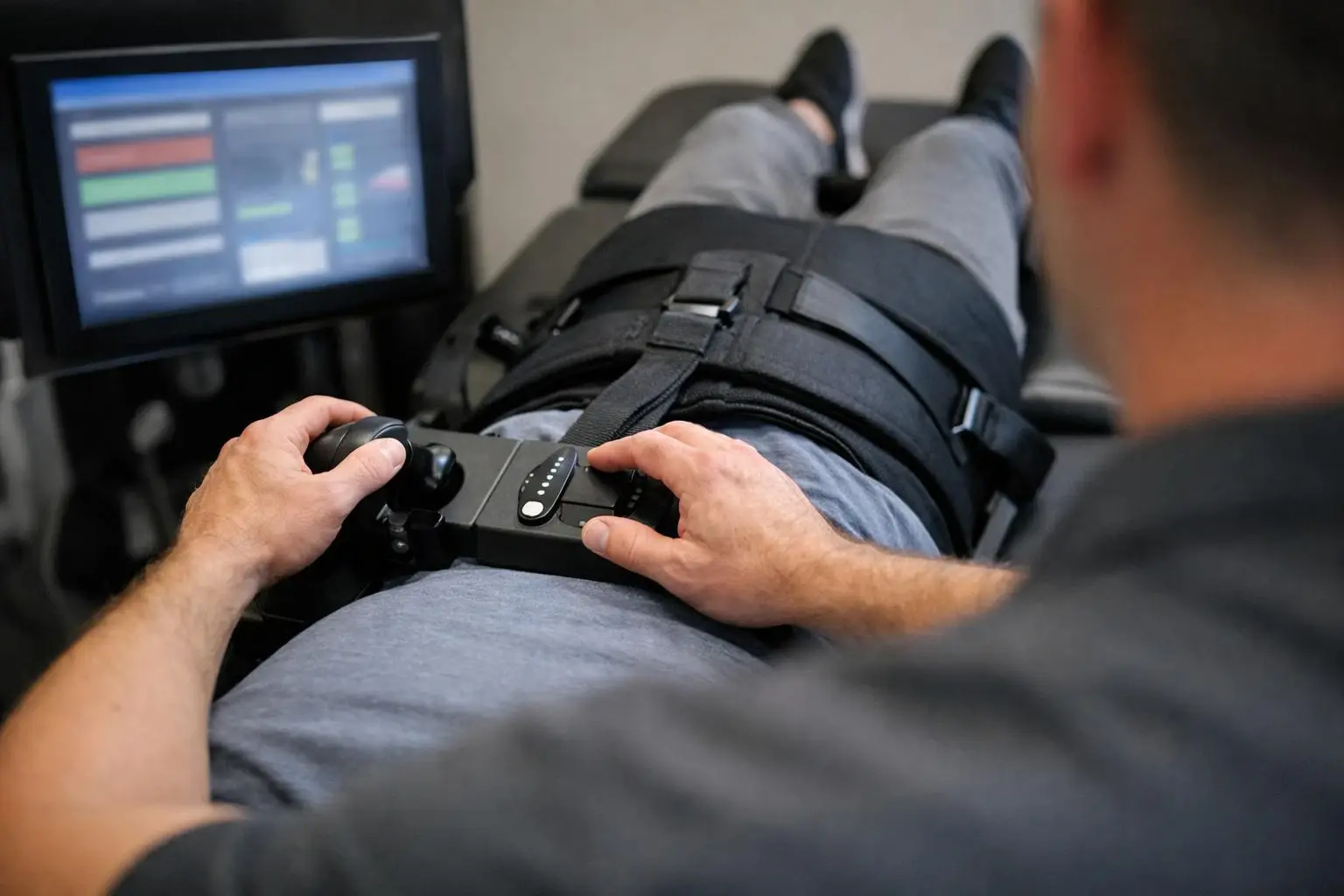
A special table stretches and relaxes your spine. You wear a harness around your hips. Another harness goes around your chest.
The table moves in cycles. It pulls and then relaxes. This creates a pumping action.
The pumping draws in oxygen, water. And nutrients. These help your discs heal. This process is called imbibition (a way your body heals).
Over time, it can shrink herniated discs. The pull force is set just for you. Your weight and condition decide how strong it is.
A doctor watches to keep you comfortable. Each session lasts 20 to 45 minutes. Most plans need 15 to 30 sessions.
Sessions happen over a few weeks. Some people feel better after a few visits. Others need all the sessions for best results.
- The doctor checks your health first. They look at your history and scans like X-rays.
- You lie on the table. Harnesses keep you safe and comfy.
- The machine pulls your spine gently. It then lets go.
- The doctor watches the force. They make sure you stay comfortable.
Why Spinal Decompression Matters?
Spinal Decompression helps without surgery. It eases pain from squeezed spines. This pain can make daily life hard.
Herniated discs, sciatica. And spinal stenosis hurt a lot. They limit how you move. They cause pain that won’t go away.
This treatment takes pressure off your spine. It can lessen pain. It helps you move better too.
You can get back to normal activities. You won’t need pain pills. You won’t need surgery either.
It’s a good choice if other treatments didn’t work. Surgery takes longer to heal. It has more risks too.
Some people try physical therapy first. Others try medicine or chiropractic care. If those don’t help, this may work.
It has no drugs. So, no side effects or risks from pills. You can add other treatments too.
Therapies like cold laser (a light treatment) can help. They make Spinal Decompression work better.
When Spinal Decompression Matters Most?
Spinal Decompression helps people with long-term back or neck pain. Other treatments may not have worked. This one might.
It works best for herniated discs. Bulging discs and sciatica can also improve. So can degenerative disc disease (worn-out discs).
If pain shoots down your arms or legs, this may help. Numbness or tingling can get better too. The cause is squeezed nerves.
But not everyone can try it. People with broken bones can’t. Neither can those with tumors.
If you have very weak bones, it’s not safe. So is severe spine instability. Your doctor will check first.
It’s often used after other treatments fail. Physical therapy or medicine may not help. Then this is a good next step.
It’s also good if you don’t want surgery. Or if surgery isn’t safe for you. The results take time.
You need to go to many sessions. Most people see the best results after all sessions. For people in Duluth, GA, this is a local option.
You don’t have to travel far. You can get care close to home.