Glossary

What is Decompression Therapy?

Decompression Therapy is a non-surgical treatment designed to relieve pressure on spinal discs and nerves. It involves gently stretching the spine using a motorized table or device to create negative pressure within the discs, promoting healing and reducing pain caused by herniated discs, sciatica. Or spinal stenosis.

Reviewed by Dr. Harry W. Brown, D.C.Sources reviewed: American Chiropractic Association, National Institute of Neurological Disorders and Stroke

Quick Facts About Decompression Therapy

Category

Non-surgical spinal treatment

Used for

Herniated discs, sciatica, spinal stenosis, chronic back pain

Common confusion

Often mistaken for traction. But decompression targets specific disc levels

Also called

Spinal Decompression, Non-Surgical Spinal Decompression

Often discussed with

Neck Injury Treatment

Key Takeaways About Decompression Therapy

Understanding Decompression Therapy
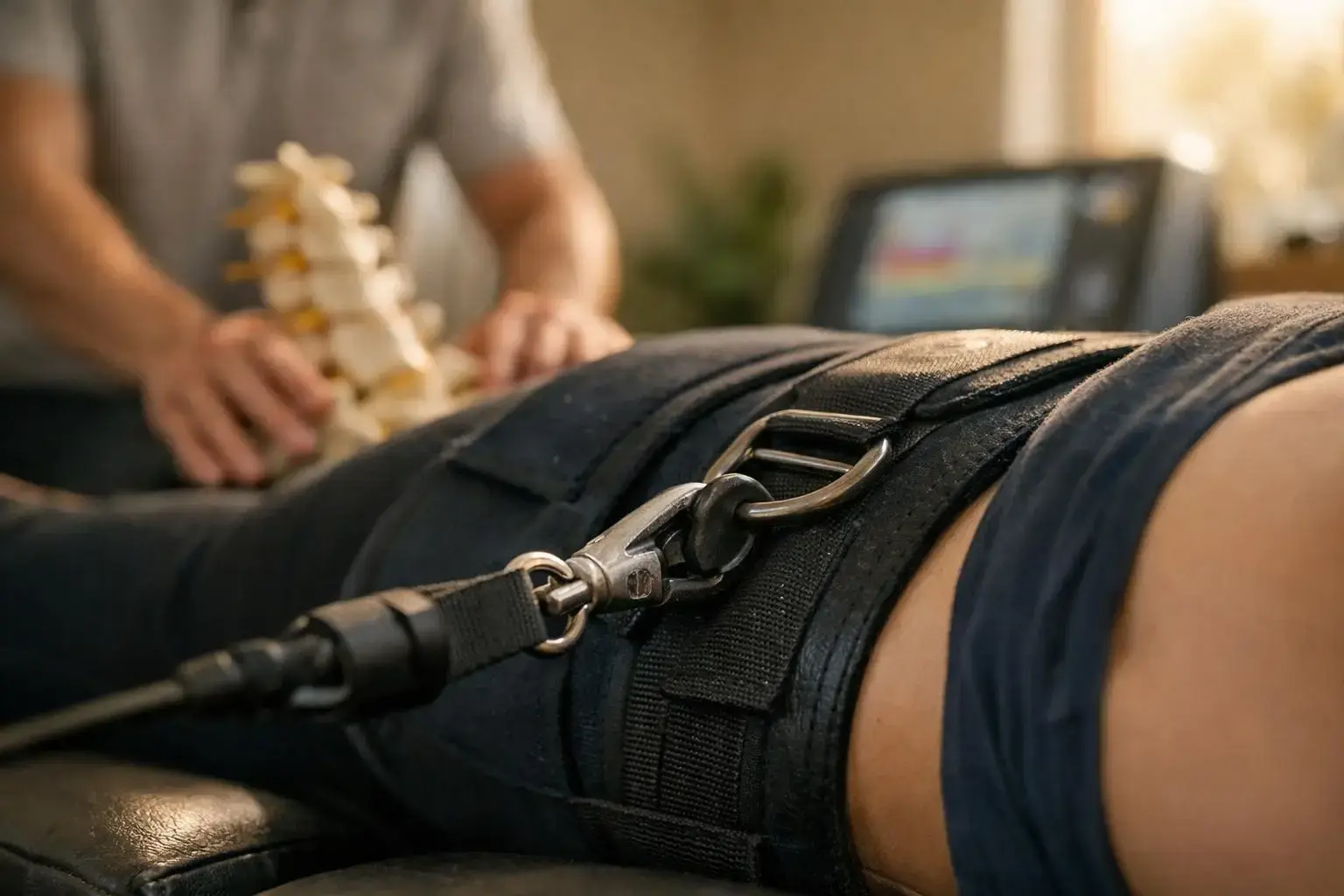
Decompression Therapy in Chiropractor: Decompression Therapy is a non-surgical treatment designed to relieve pressure on s...

Decompression Therapy helps the spine. It eases pressure on discs and nerves.

Related glossary terms: Herniated Disc, Spinal Stenosis, Chiropractic Adjustment.

The spine has bones called vertebrae. Discs sit between them like cushions.

Discs can bulge or wear out. This happens from injury, age. Or stress.

This pressure causes pain. It can also cause numbness or weakness.

Pain may be in the back, neck, arms. Or legs. Decompression Therapy can help.

It gently stretches the spine. This makes space between the bones.

The discs can pull back in. Then they can start to heal.

Old traction just pulls hard. Decompression Therapy is smarter.

It uses a computer to change the pull. It also changes the angle.

This helps target just the right spot. It can focus on the lower back or neck.

The treatment doesn’t hurt. Many people find it relaxing.

It helps blood flow to the discs. This brings them nutrients they need.

People often feel less pain. They can move better after a few visits.

How Decompression Therapy Works?

Decompression Therapy makes a vacuum in the discs. This pulls them back into place.

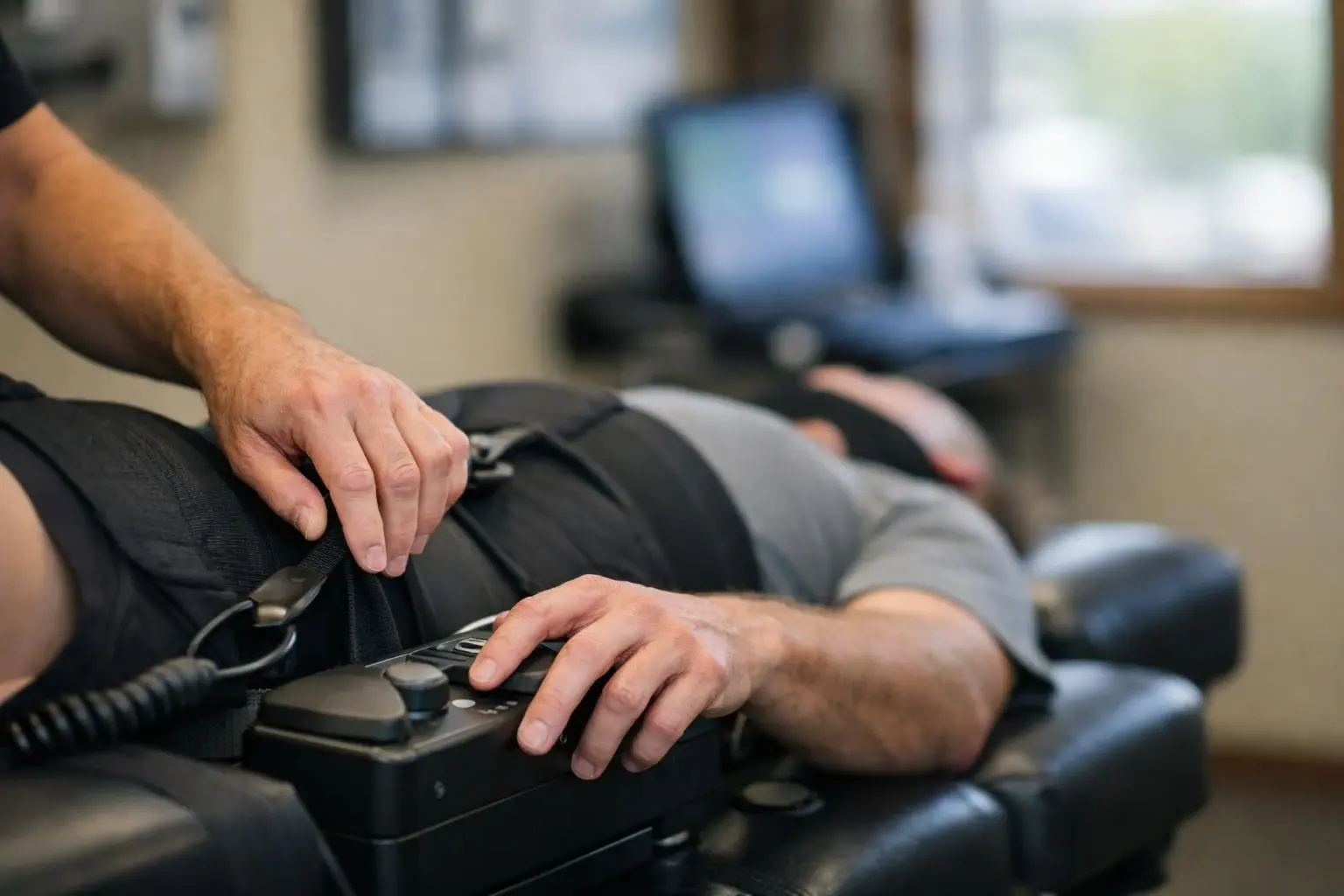
The patient lies on a table. Straps go around the hips or chest.

The table pulls gently. It stretches the spine in a rhythm.

This creates a vacuum. It helps bulging discs move back.

It also brings oxygen and water to the discs. This helps them heal.

The pull is just right. It won’t stretch too much or hurt.

One session lasts 20 to 45 minutes. The time depends on the person.

Most people need 10 to 20 visits. They do this to feel better for good.

Some places add other treatments. These may be adjustments or laser therapy.

The goal is to cut pain. It also helps discs heal without surgery or drugs.

Why Decompression Therapy Matters?

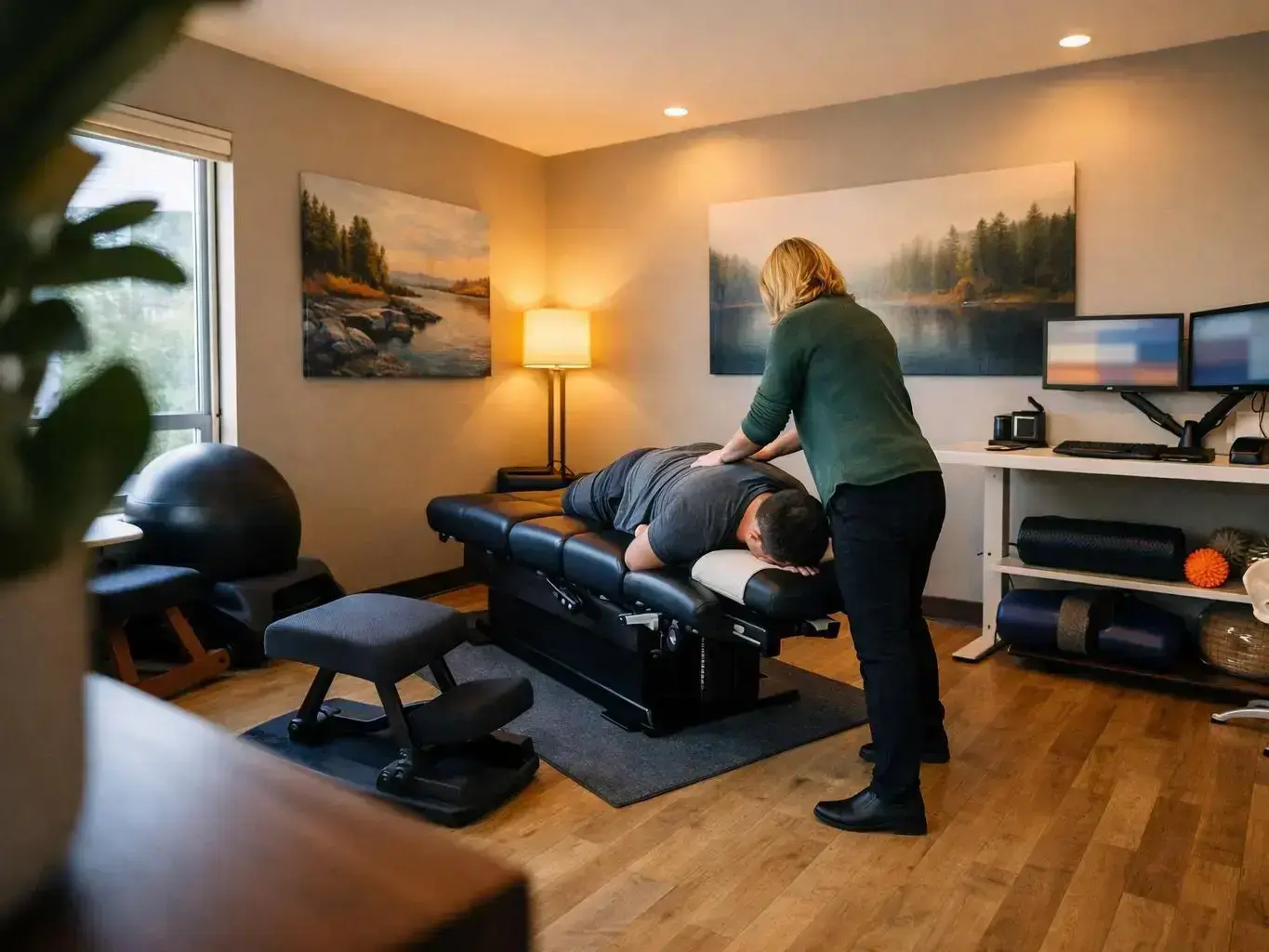
How Decompression Therapy applies to Chiropractor services in Duluth, United States—practical illustration

Decompression Therapy helps without surgery. Many people have bad back or neck pain.

Conditions like herniated discs hurt. So do sciatica and spinal stenosis.

These can make daily life hard. They can even cause long-term problems.

Surgery can help some people. But it has risks like infection or nerve damage.

Some people can’t have surgery. Decompression Therapy is another choice.

This therapy fixes the real problem. It doesn’t just hide pain with drugs.

It eases pressure on nerves. This stops pain, tingling. Or numbness.

It also helps discs get nutrients. This can slow damage and help healing.

Many people use it with other treatments. These may be exercise or better posture.

Together, they make a full pain plan.

When Decompression Therapy Matters Most?

Decompression Therapy helps people with bad back or neck pain. It works for disc problems.

It’s good for herniated discs. It also helps bulging discs and sciatica.

People with worn-out discs may benefit. So can those with spinal stenosis.

Some try rest or medicine first. If that doesn’t work, they may try this.

It’s for people who don’t want surgery. It’s also for those who tried other treatments.

It can help after injuries. Car accidents or falls may hurt discs.

Athletes or workers may use it. It keeps their spines healthy.

But it’s not for everyone. People with weak bones should skip it.

So should those with breaks or tumors. A doctor can check if it’s safe.

They’ll look at health history. They’ll also check X-rays or scans.

How to Evaluate Decompression Therapy?

Related Concepts Compared

Decompression Therapy vs. Spinal Traction

Spinal traction applies a constant pulling force to the spine. While Decompression Therapy uses controlled, variable stretching to target specific discs and nerves.

Decompression Therapy vs. Chiropractic Adjustment

Chiropractic adjustments focus on realigning vertebrae. While Decompression Therapy aims to reduce disc pressure and promote healing in the spine.

Decompression Therapy vs. Flexion Distraction

Flexion Distraction is a manual technique that uses a gentle pumping motion. While Decompression Therapy uses a motorized table to stretch the spine.

Expert Note

Decompression Therapy is most effective when tailored to the patient's specific spinal condition. A one-size-fits-all approach rarely works. So a thorough assessment and personalized treatment plan are essential for success.

Common Mistakes or Myths About Decompression Therapy

  • Assuming Decompression Therapy is the same as traction—it is more precise and controlled.
  • Expecting immediate results after one session—most patients need multiple treatments.
  • Skipping diagnostic imaging before starting treatment—X-rays or MRI help target the right area.
  • Believing it works for all back pain—it is most effective for disc-related conditions.

Decompression Therapy in Practice: A Real-World Example

A 45-year-old office worker in Duluth, GA, develops chronic lower back pain after years of sitting at a desk. An MRI reveals a herniated disc pressing on a nerve. Instead of opting for surgery, the patient undergoes 15 sessions of Decompression Therapy. Over the course of treatment, the disc retracts, pressure on the nerve decreases. And the patient experiences significant pain relief and improved mobility.

Sources & Further Reading on Decompression Therapy

Related Services

Related Terms

Herniated Disc

Herniated Disc is a spinal condition where the soft, gel-like center of a spinal disc pushes through a tear in the tougher outer layer. This can irritate nearby nerves, causing pain, numbness. Or weakness in the back, legs. Or arms. Herniated discs often occur in the lower back or neck and may result from injury, aging.

Spinal Stenosis

Spinal Stenosis is a narrowing of the spaces within the spine, which can put pressure on the nerves that travel through it. This condition most commonly occurs in the lower back and neck and often develops due to aging, wear-and-tear. Or conditions like arthritis. Symptoms may include pain, numbness, muscle weakness.

Chiropractic Adjustment

Chiropractic Adjustment is a hands-on procedure where a licensed chiropractor applies controlled force to a specific joint in the spine or other body part. This force helps improve alignment, reduce nerve irritation. And restore normal movement. Adjustments are used to relieve pain, improve function.

Flexion Distraction

Flexion Distraction is a gentle, non-surgical chiropractic technique designed to relieve back pain and leg pain caused by disc herniation, spinal stenosis. Or sciatica. Flexion Distraction involves a specialized table that moves in a rhythmic, pumping motion to decompress spinal discs, reduce pressure on nerves.

Arrowhead Clinic

Have Questions About Decompression Therapy?

Contact Arrowhead Clinic for practical guidance on Decompression Therapy and related chiropractor work in Duluth.

+1 770-525-1431