Understanding Chiropractic Biophysics

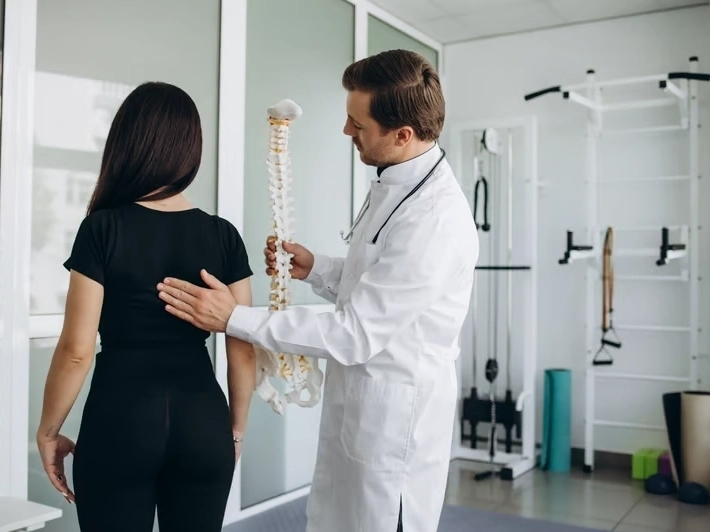
Chiropractic Biophysics (CBP) is a specialized approach within chiropractic care that focuses on correcting the spine’s alignment and posture using scientific principles. Unlike traditional chiropractic methods that primarily target pain relief, CBP aims to restore the spine’s natural structure through precise measurements and evidence-based techniques. This method recognizes that poor posture and spinal misalignments can lead to chronic pain, reduced mobility. And even nerve dysfunction over time.
Related glossary terms: Chiropractic Adjustment, Scoliosis, X-Ray.
CBP was developed in the 1980s by chiropractors who combined biomechanics, physics. And clinical research to create a systematic way to evaluate and treat spinal abnormalities. The technique relies on objective data, such as X-rays and posture analysis, to identify deviations from an ideal spinal alignment. By addressing these deviations, CBP helps patients achieve lasting improvements in their spinal health, which can reduce pain, improve function. And boost overall well-being.
How Chiropractic Biophysics Works?
Chiropractic Biophysics follows a structured process to assess and treat spinal misalignments. The first step involves a detailed examination, including X-rays and posture analysis, to measure the spine’s current alignment. These measurements are compared to ideal spinal models to identify specific problems, such as abnormal curves, rotations. Or shifts in the spine. Based on these findings, a chiropractor designs a personalized treatment plan that may include spinal adjustments, traction, corrective exercises. And postural training.
Spinal adjustments in CBP are often performed using specialized tables or devices that help apply precise forces to specific areas of the spine. Traction, another key component, involves gentle stretching of the spine to reduce pressure on nerves and discs. Corrective exercises and postural training are prescribed to strengthen muscles and reinforce proper alignment between adjustments. This combination of treatments aims to gradually remodel the spine’s structure, leading to long-term improvements in posture and function.
CBP also emphasizes patient education, helping individuals understand how daily habits, such as sitting, standing. Or sleeping, can impact their spinal health. By making small adjustments to these habits, patients can support their treatment and maintain their progress over time. The goal is not just to relieve symptoms but to create lasting structural changes that improve overall health.
Why Chiropractic Biophysics Matters?
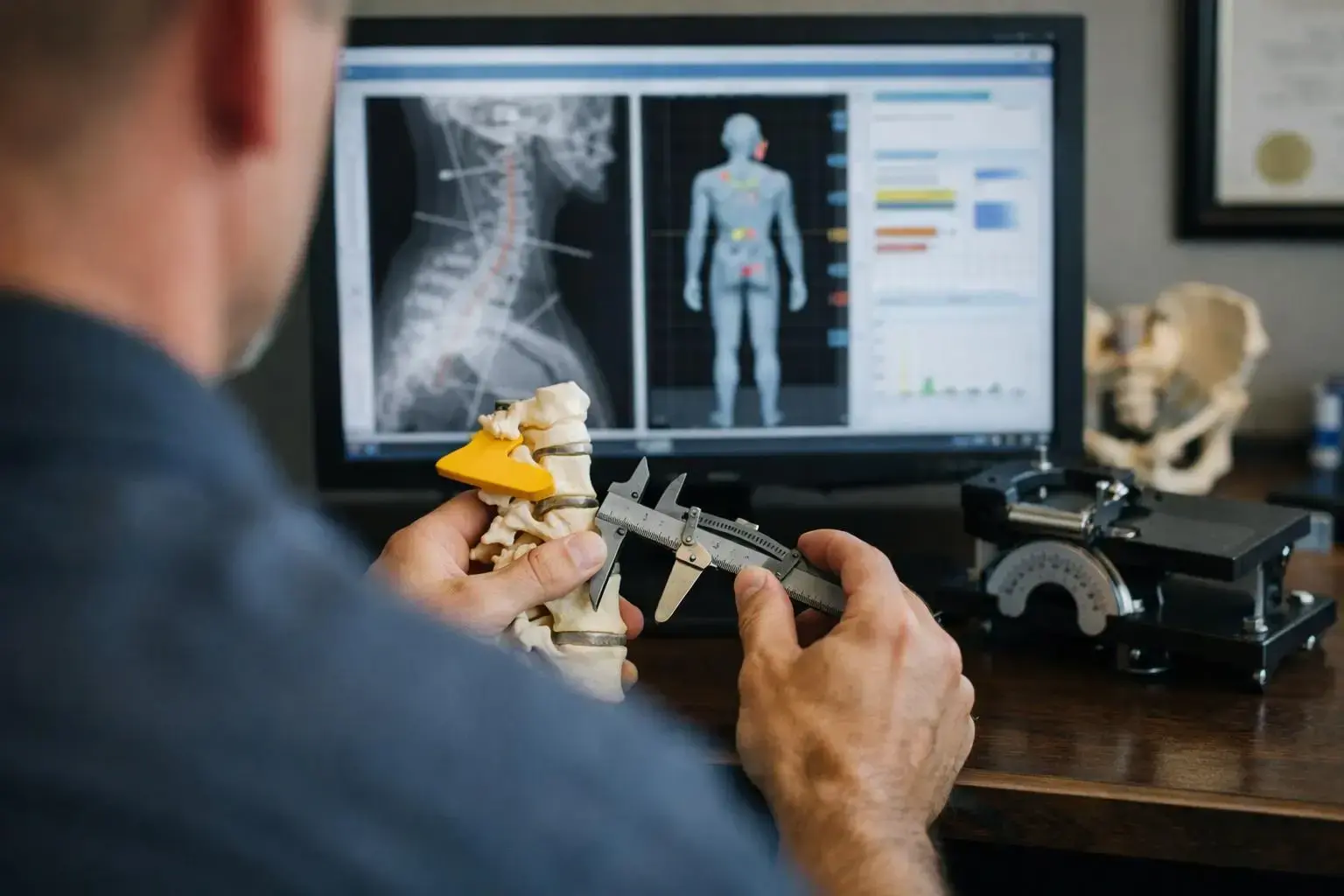
Chiropractic Biophysics matters because it addresses the root causes of spinal problems rather than just masking symptoms. Many people experience chronic pain, stiffness. Or reduced mobility due to poor posture or spinal misalignments, which can worsen over time if left untreated. CBP provides a science-backed solution to these issues by focusing on structural correction, which can lead to better long-term outcomes compared to temporary pain relief methods.
For patients with conditions like scoliosis, hyperkyphosis (hunched back). Or chronic low back pain, CBP offers a targeted approach to improve spinal function and reduce discomfort. By restoring the spine’s natural alignment, CBP can also alleviate pressure on nerves, improve breathing. And boost overall physical performance. This makes it a valuable option for individuals seeking a proactive approach to their spinal health.
When Chiropractic Biophysics Matters Most?
Chiropractic Biophysics is particularly beneficial for individuals with chronic spinal issues, postural deformities. Or recurring pain that hasn’t improved with other treatments. It's often recommended for patients with conditions such as scoliosis, forward head posture. Or degenerative spinal changes. Athletes, office workers. And seniors may also benefit from CBP, as it helps address the structural imbalances caused by repetitive movements, prolonged sitting. Or age-related wear and tear.
CBP is also useful for patients recovering from injuries, such as car accidents or sports-related trauma, where spinal misalignments may contribute to ongoing pain or dysfunction. By focusing on correcting these misalignments, CBP can help prevent future injuries and improve recovery outcomes. And individuals who want to take a proactive approach to their spinal health may choose CBP to maintain proper alignment and prevent problems before they start.
A common issue is In Duluth, GA, Chiropractic Biophysics is a valuable tool for chiropractors working with patients who need structured, long-term solutions for spinal health. Whether addressing chronic pain, postural issues. Or injury recovery, CBP provides a research-backed method to help patients achieve better alignment and improved quality of life.