Understanding Disc Herniation
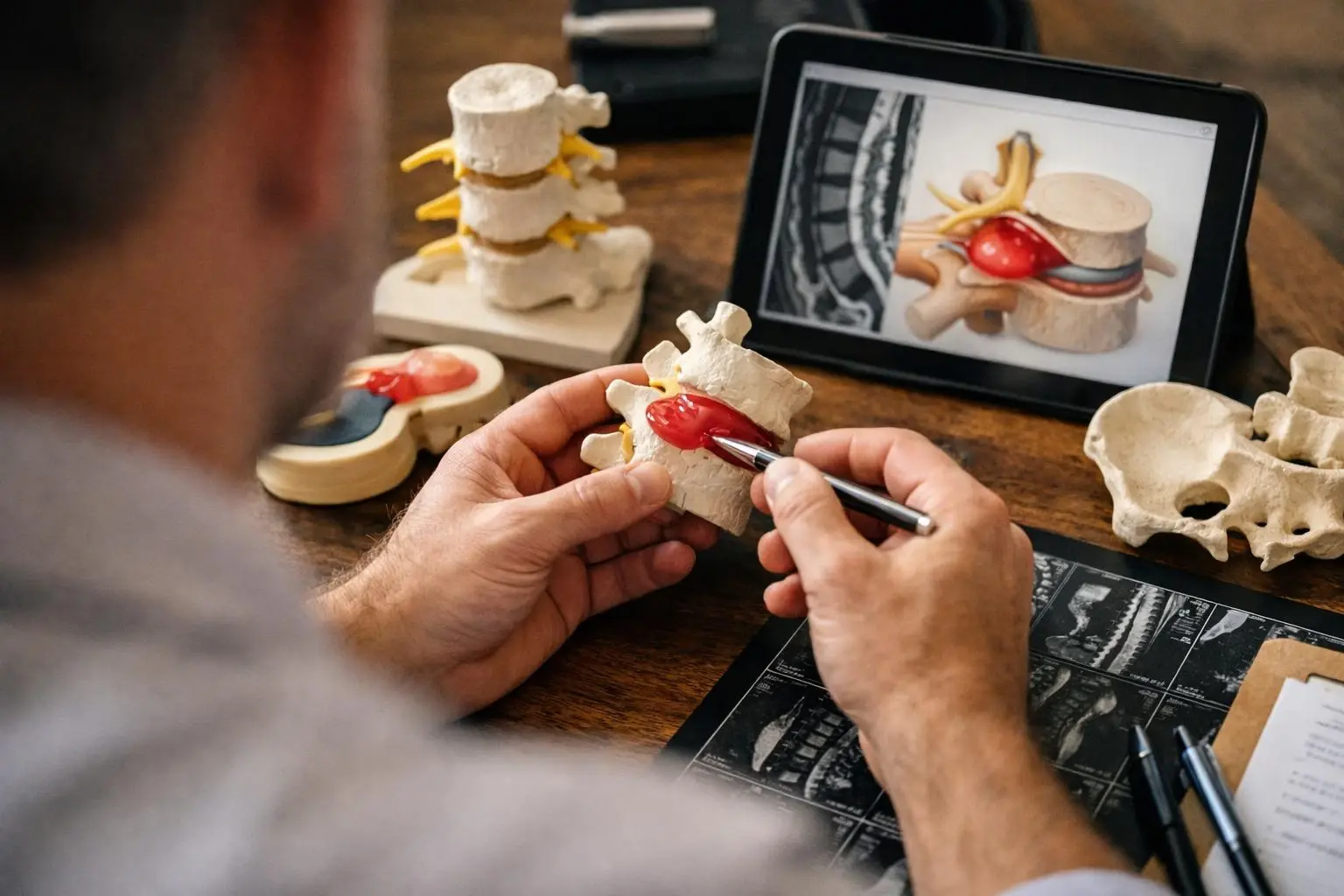
A spinal disc has a soft center. This center is like jelly. It can push out through a crack.
Related glossary terms: Pinched Nerve, Spinal Decompression, Back Pain.
The spine has bones called vertebrae. Discs sit between these bones. They act like cushions.
Discs absorb shock. They help the spine move smoothly. Over time, they can wear down.
This wear can cause a herniation. It happens most in the lower back. It also happens in the neck.
These areas carry the most weight. They also move a lot.
Aging causes most disc herniations. Other things can help cause it too.
Lifting heavy things wrong can tear a disc. A fall can do this too.
Bending or twisting a lot can weaken discs. Sitting too long can also hurt them.
Some people don't feel pain right away. But a herniated disc can press on a nerve.
This can cause pain, tingling. Or weakness. It happens where the nerve goes.
How Disc Herniation Works?
The inner gel of a disc is called the nucleus pulposus. It can push out through a tear.
The tear happens in the disc’s outer ring. This ring is called the annulus fibrosus.
If the bulge presses on a nerve, it can hurt. It can also cause swelling.
The place of the herniation decides symptoms. A lower back disc can cause sciatica.
Sciatica is sharp pain down the leg. A neck disc can cause arm or hand pain.
It can also cause numbness or weakness.
Doctors check for herniation with exams. They use MRI or X-ray tests too.
An MRI shows the herniation’s size. It also shows if it presses on a nerve.
Doctors may check reflexes. They may test muscle strength too.
They may also check feeling. Most herniations don’t need surgery.
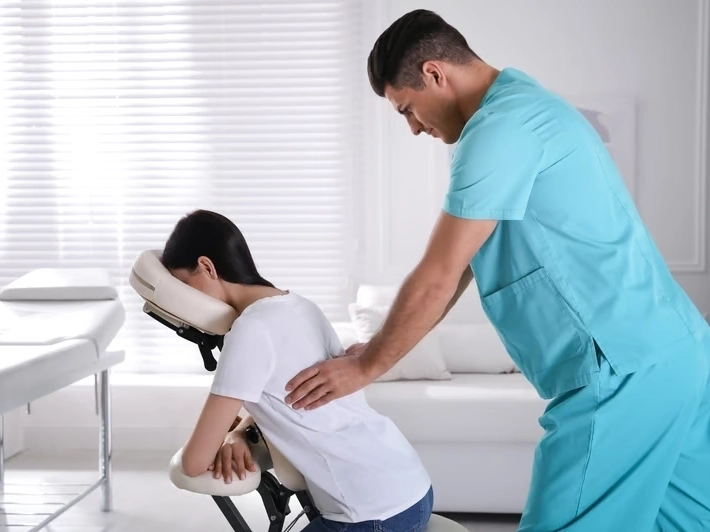
They can get better with rest. Physical therapy or chiropractic care can help too.
Why Disc Herniation Matters?
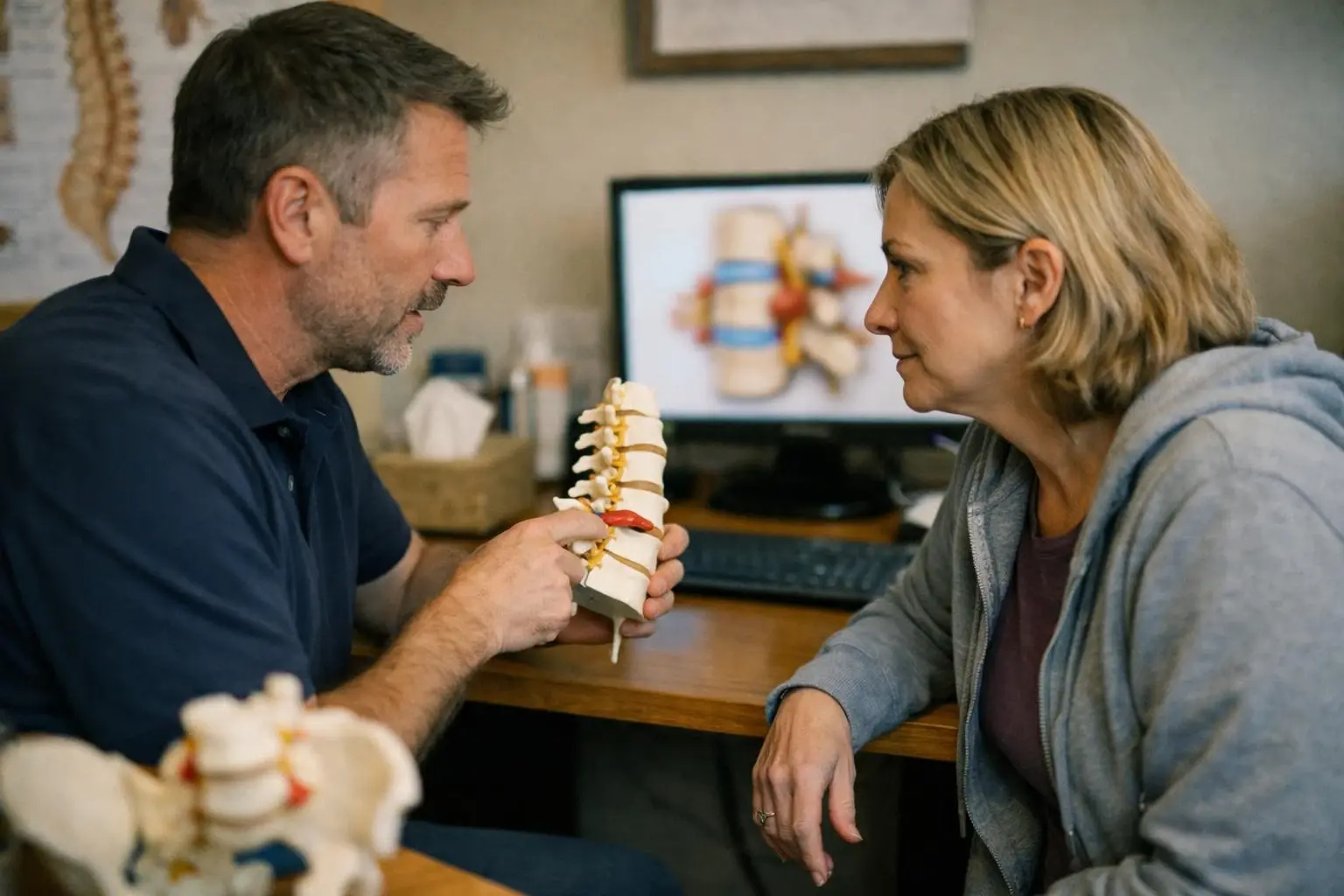
A herniated disc can hurt daily life. Pain or weakness makes work hard.
It can make exercise hard too. Simple tasks like bending can hurt.
Ignoring symptoms can make things worse. It can cause lasting nerve damage.
Early treatment helps. It reduces swelling and nerve pressure.
It can stop long-term problems too.
Many people don’t need surgery. Chiropractic care can help.
Decompression therapy can help too. So can special exercises.
These treatments ease disc pressure. They help the spine line up right.
If symptoms don’t get better, surgery may help. It removes the herniated part.
This takes pressure off the nerve.
When Disc Herniation Matters Most?
A herniated disc matters most with bad symptoms. Pain or numbness can spread.
It can go down an arm or leg. This means the nerve is squeezed.
People who sit a lot are at risk. So are those who lift heavy things.
People with tough jobs should watch for signs.
Injuries can cause herniations too. Car accidents or falls can do this.
Symptoms may start right away. Or they may come later.
Seeing a doctor fast helps. It can stop more damage.
It can also help you heal faster.
People in Duluth, GA should know about this. Local chiropractors treat this often.
They use methods that fit each person.