Glossary

What is Subluxation?

Subluxation is a partial dislocation of a joint, particularly in the spine, where the bones shift out of their normal alignment but don't fully separate. This misalignment can irritate nerves, cause pain, reduce mobility. And interfere with the body’s natural healing ability. Chiropractors identify and correct subluxations to restore proper function and relieve discomfort.

Reviewed by Dr. Harry W. Brown, D.C.Sources reviewed: American Chiropractic Association, National Board of Chiropractic Examiners

Quick Facts About Subluxation

Category

Spinal joint dysfunction

Used for

Diagnosing nerve irritation and pain

Common confusion

Often mistaken for full dislocation or muscle strain

Also called

Vertebral subluxation, Joint misalignment

Often discussed with

Car Accident Injury Rehabilitation, Whiplash Injury Treatment

Key Takeaways About Subluxation

Understanding Subluxation
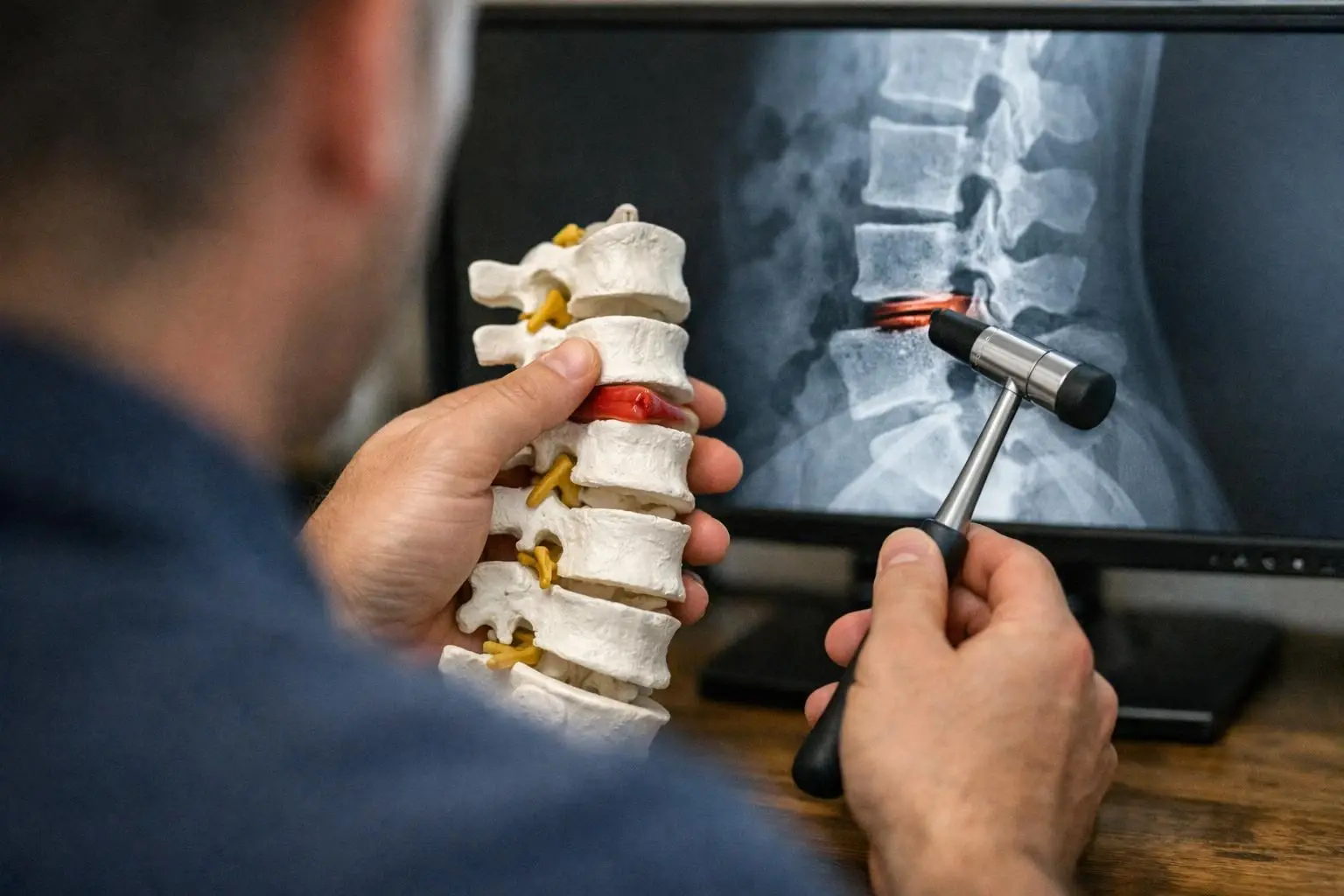
Subluxation in Chiropractor: Subluxation is a partial dislocation of a joint, particularly in the spine—visual guide

A joint can shift out of place. This is called a subluxation. It happens most in the spine.

Related glossary terms: Chiropractic Adjustment, Pinched Nerve, Disc Herniation.

Unlike a full dislocation, bones don’t separate completely. They just move a little. This can press on nerves.

That pressure causes pain, tingling. Or numbness. Over time, it may hurt more. Muscles can get tight.

Swelling can happen too. You might not move as well. The spine is at risk most.

It holds up your body. It helps you move. That’s why it’s so important.

Chiropractors fix subluxations. They help your nerves talk to your body. If nerves are squeezed, signals get weak.

This can cause headaches. It may make you tired. Some people have stomach problems.

You might not feel pain right away. But the problem is still there. Fixing it helps your whole body.

How Subluxation Is Detected and Corrected?

Chiropractors look for subluxations. They ask about your health. They may use X-rays.

They check for sore spots. They see if you move well. Tight muscles can be a sign.

They look at your posture. They check your spine. This helps find the problem.

Then they fix it. They use gentle pushes. They guide the joint back in place.

They may use tools. The fix is quick. It helps your spine line up right.

You might hear a pop. That’s just gas in the joint. It doesn’t hurt.

Many feel better right away. Some need more visits. It depends on the problem.

Chiropractors may give tips. They might suggest stretches. They can help you move better.

They may tell you to sit less. They can help you stand tall. This stops future problems.

Why Subluxation Matters?
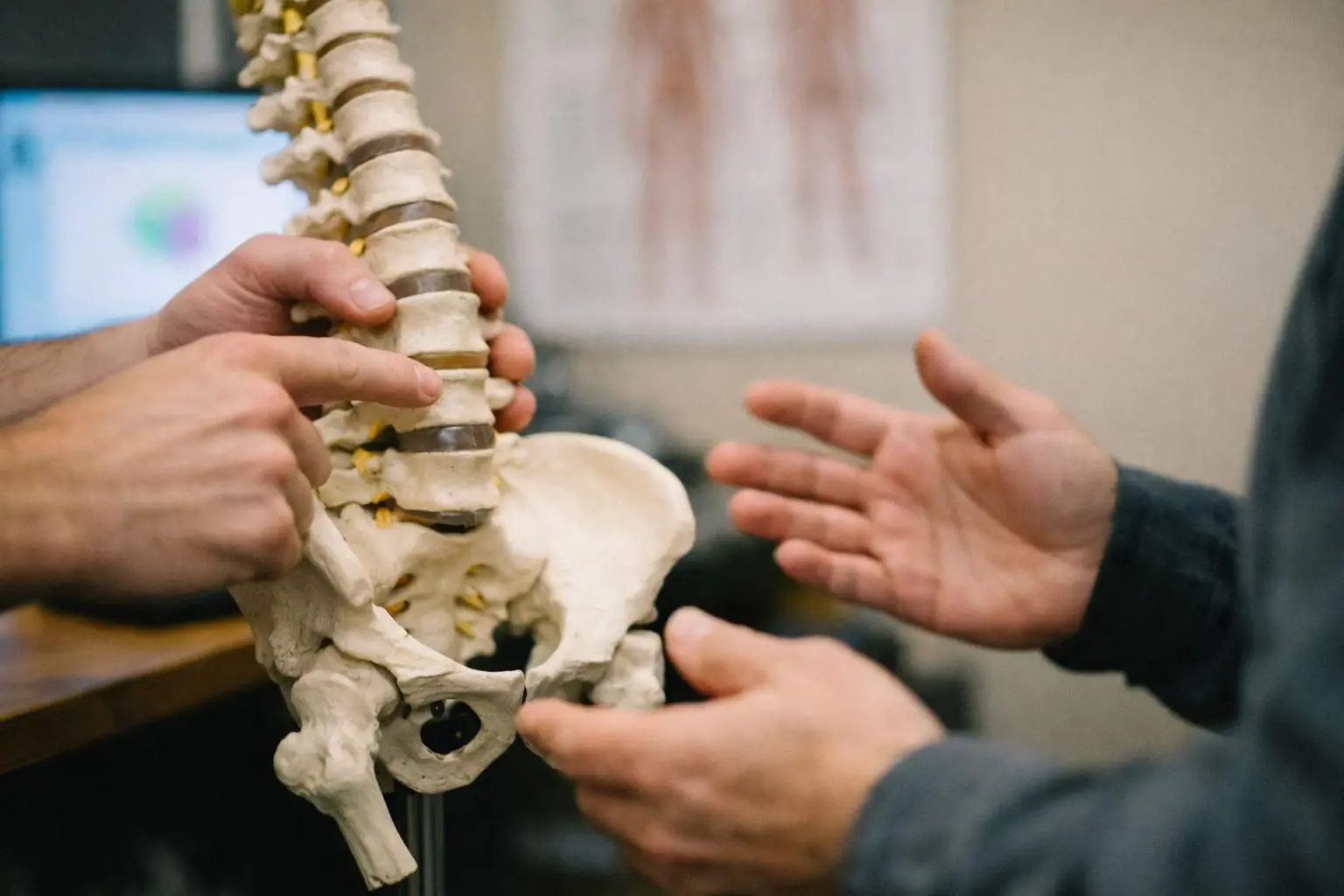
How Subluxation applies to Chiropractor services in Duluth, United States—practical illustration

Subluxations can hurt more than your back. They can make nerves work poorly. That causes other problems.

You might sleep badly. Your immune system may weaken. Your stomach may hurt.

A subluxation in the neck can cause headaches. One in the lower back can hurt your legs.

Fixing it early helps. It stops problems from getting worse. That keeps you healthy.

If you ignore it, it can get worse. Doing the same thing over can hurt joints.

Bad posture can shift them too. This can pinch nerves more. That causes long-term pain.

It can lead to arthritis. It may hurt your discs. Chiropractic care can stop this.

It keeps your spine healthy. It helps your nerves work right. That makes life better.

When Subluxation Matters Most?

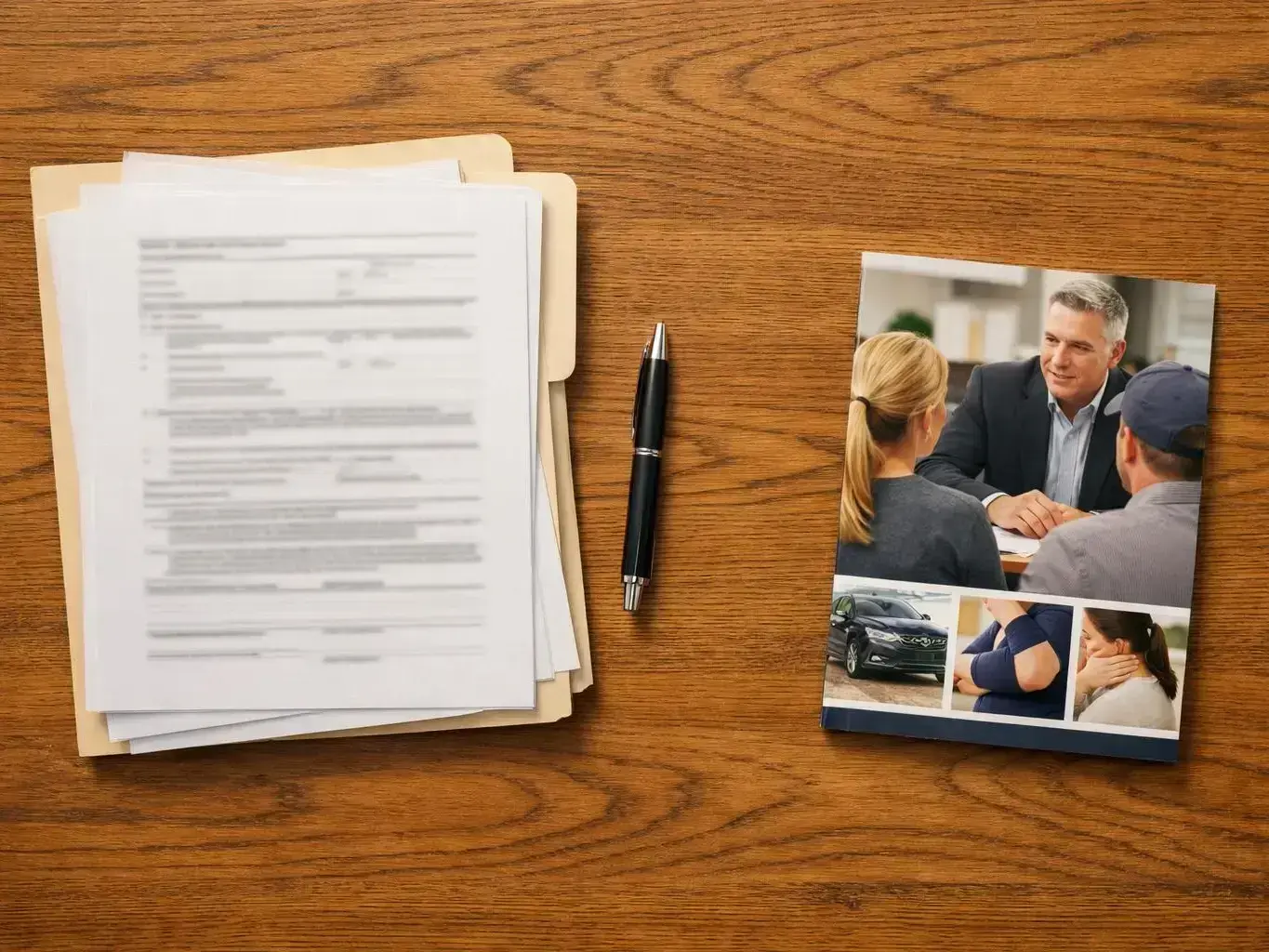
Injuries can cause subluxations. Car accidents can shift joints. So can falls.

Sports hits can too. Even lifting wrong can hurt. Small injuries add up.

Bad posture can cause them. Sitting too long can too. Doing the same move over hurts joints.

Some jobs are riskier. Construction workers lift a lot. Athletes move in the same ways.

Kids and older people should be careful. Their joints are different. Kids are still growing.

Older people lose flexibility. Pregnant women can get them too. Their center of balance changes.

If you have pain, get checked. Stiffness or numbness can be a sign. A chiropractor can help.

They can stop bigger problems. Don’t wait too long. Early help keeps you moving well.
How to Evaluate Subluxation?

Related Concepts Compared

Subluxation vs. Dislocation

A dislocation is a complete separation of joint bones. While a subluxation is only partial displacement without full separation.

Subluxation vs. Muscle strain

Muscle strain involves overstretched or torn muscle fibers, whereas subluxation affects joint alignment and nerve function.

Subluxation vs. Pinched nerve

A pinched nerve is often caused by subluxation but can also result from herniated discs or inflammation around nerves.

Expert Note

Subluxations are not always painful, which is why they can go unnoticed for years. Regular chiropractic check-ups help detect subtle misalignments before they lead to chronic issues or nerve damage.

Common Mistakes or Myths About Subluxation

  • Ignoring subluxations because they cause only mild discomfort or no pain at first.
  • Assuming popping sounds in joints are harmless when they may signal misalignment.
  • Confusing subluxations with muscle soreness or fatigue after exercise.
  • Delaying treatment until symptoms become severe, making correction harder.
  • Believing subluxations only affect the spine, when they can occur in any joint.

Subluxation in Practice: A Real-World Example

After a minor car accident, a patient visits a chiropractor complaining of neck stiffness and occasional headaches. The chiropractor identifies a subluxation in the upper spine pressing on a nerve. After a few adjustments, the headaches subside. And the patient’s range of motion improves.

Sources & Further Reading on Subluxation

Related Services

Related Terms

Chiropractic Adjustment

Chiropractic Adjustment is a hands-on procedure where a licensed chiropractor applies controlled force to a specific joint in the spine or other body part. This force helps improve alignment, reduce nerve irritation. And restore normal movement. Adjustments are used to relieve pain, improve function.

Pinched Nerve

Pinched Nerve is a condition where surrounding tissues, such as bones, cartilage, muscles. Or tendons, press too tightly against a nerve. This pressure disrupts the nerve’s function, causing pain, tingling, numbness. Or weakness in the affected area. Pinched nerves often occur in the neck, back. Or wrists and can result from injury, poor posture.

Disc Herniation

Disc Herniation is a spinal condition where the soft, gel-like center of a spinal disc pushes through a tear in the tougher outer layer, often pressing on nearby nerves. This can cause pain, numbness. Or weakness in the back, neck, arms. Or legs. Disc herniation typically occurs in the lower back or neck and is often caused by aging, injury. Or strain.

Spinal Decompression

Spinal Decompression is a non-surgical treatment designed to relieve pressure on the spine and spinal nerves. It involves gently stretching the spine using a motorized table or device to create negative pressure within the spinal discs, which can help herniated or bulging discs retract, promote healing.

Neck Pain

Neck Pain is discomfort, stiffness. Or soreness in the cervical spine—the seven vertebrae that support the head and connect to the upper back. Neck Pain can range from mild, temporary aches to severe, chronic pain that limits movement and daily activities. Causes include muscle strain, poor posture, injury, arthritis.

Arrowhead Clinic

Have Questions About Subluxation?

Contact Arrowhead Clinic for practical guidance on Subluxation and related chiropractor work in Duluth.

+1 770-525-1431