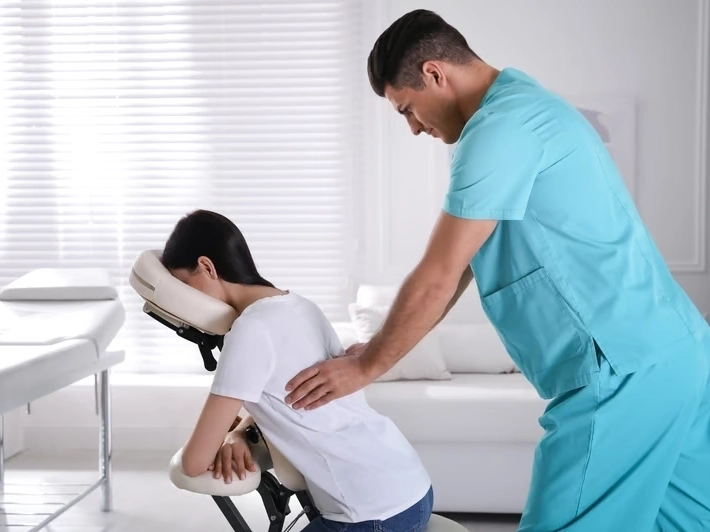
Understanding Active Release Technique
Active Release Technique (ART) is a specialized treatment approach designed to address soft tissue injuries and dysfunctions. Unlike general massage or stretching, ART focuses on identifying and treating specific areas where muscles, tendons, ligaments. Or nerves have become restricted due to scar tissue, adhesions. Or tension. These restrictions can develop from overuse, injury. Or repetitive strain, leading to pain, stiffness. And reduced range of motion. The technique was developed in the 1980s by chiropractor P. Michael Leahy and has since become a widely used method in sports medicine, chiropractic care. And physical therapy.
Related glossary terms: Soft Tissue Therapy, Chiropractic Adjustment, Mobilization.
ART is often used to treat conditions that involve soft tissue damage, such as carpal tunnel syndrome, plantar fasciitis, tennis elbow. And back pain. The treatment is particularly effective for chronic injuries where scar tissue has built up over time, limiting mobility and causing discomfort. By targeting these specific areas, ART aims to restore normal tissue function, reduce pain. And improve overall movement. The technique is non-invasive and doesn't involve surgery or medication, making it a popular choice for patients seeking natural pain relief.
How Active Release Technique Works?
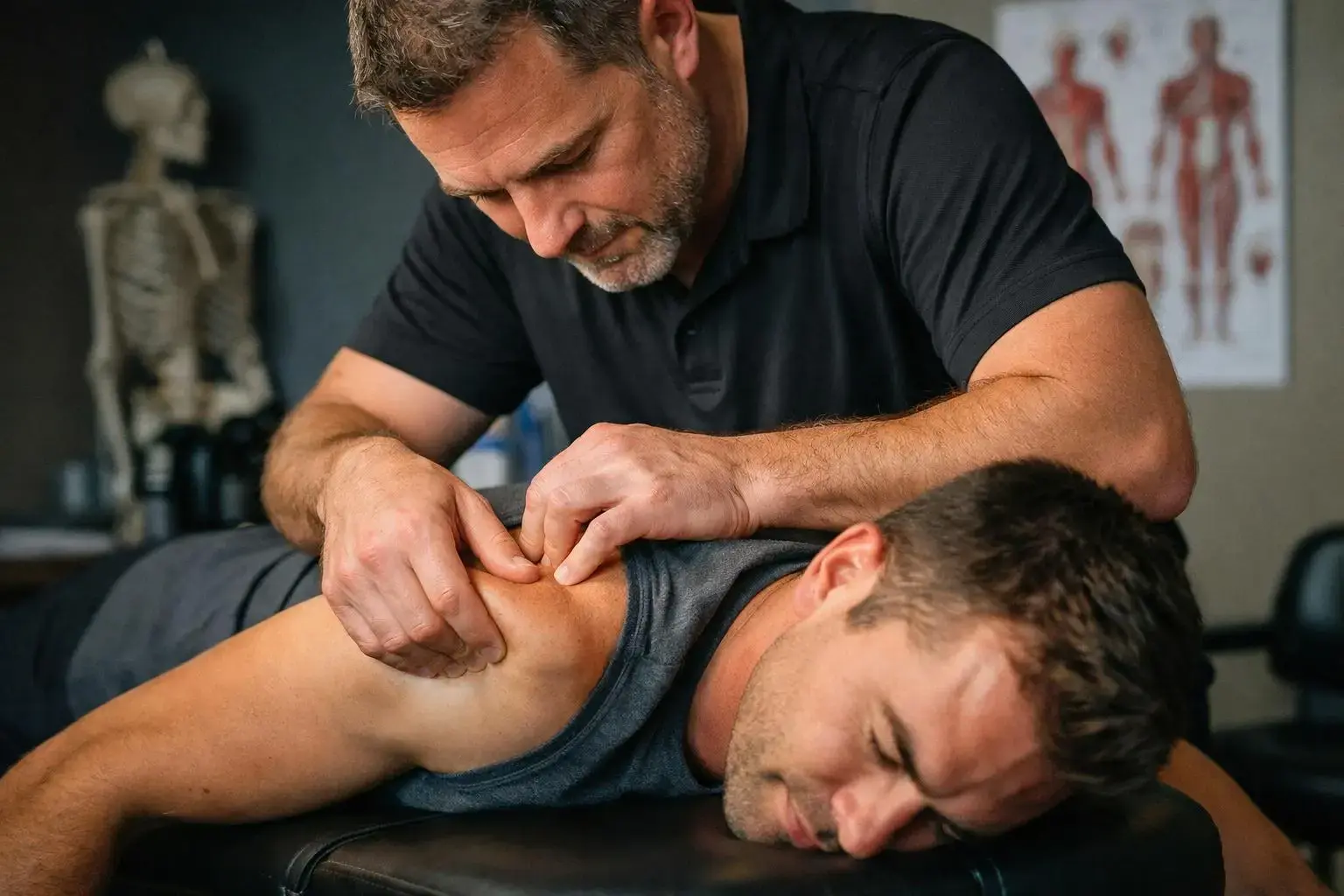
Active Release Technique works by combining precise manual pressure with specific patient movements. During a session, the practitioner first identifies the exact location of the restricted tissue by palpating the area and assessing the patient's range of motion. Once the problem area is located, the practitioner applies targeted pressure using their hands or fingers while the patient performs a controlled movement. This movement helps to stretch and mobilize the affected tissue, breaking up adhesions and scar tissue that may be causing pain or restricting movement.
The process is repeated several times, with the practitioner adjusting the pressure and movement as needed to ensure the tissue is properly treated. Each session typically lasts between 10 to 30 minutes, depending on the severity of the condition and the number of areas being treated. Patients often report immediate improvements in flexibility and pain reduction after a session. Though multiple treatments may be needed for chronic or severe conditions. ART is often combined with other therapies, such as chiropractic adjustments or physical therapy exercises, to boost overall results.
Why Active Release Technique Matters?
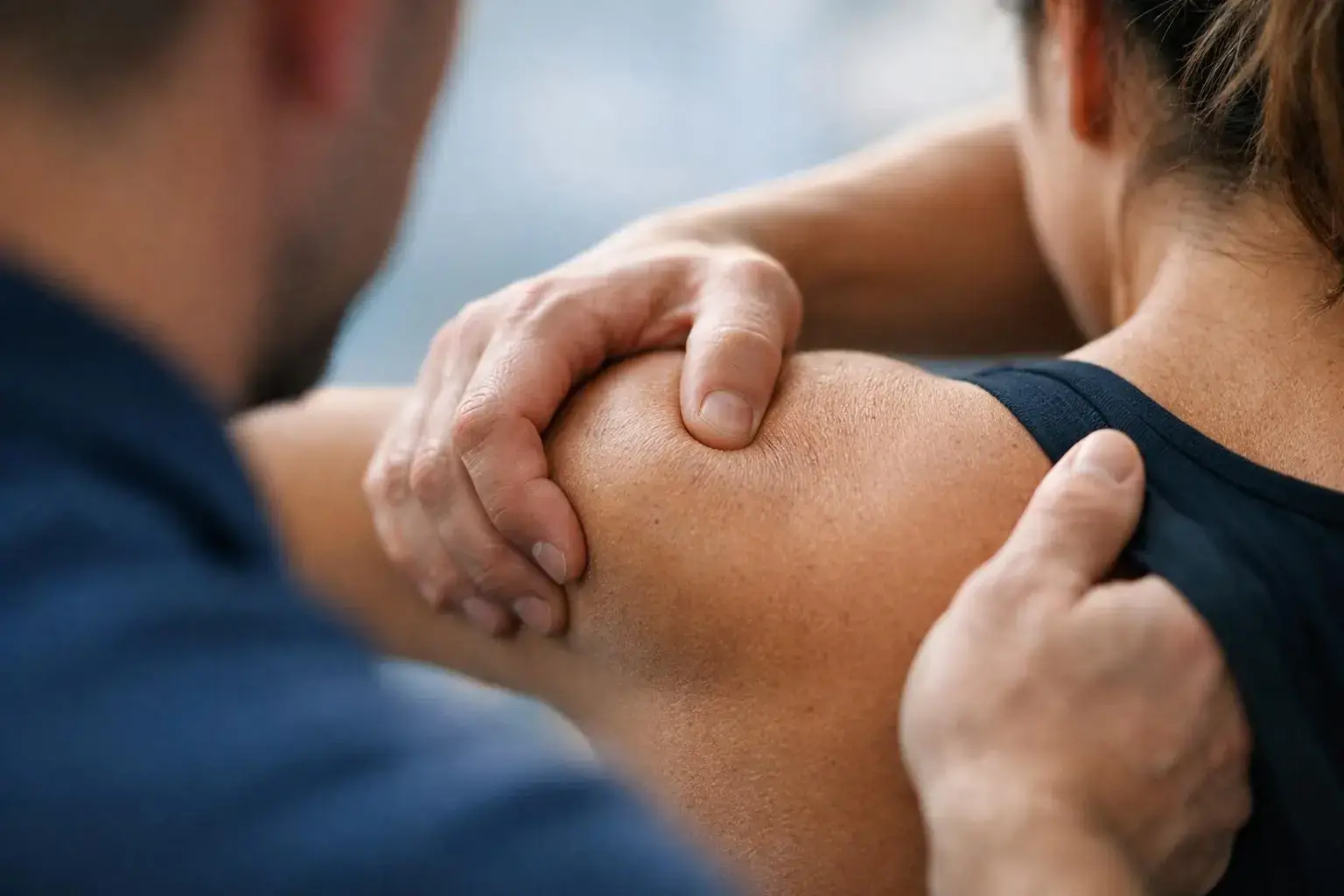
Active Release Technique matters because it addresses the root cause of many soft tissue injuries, rather than just masking symptoms. Scar tissue and adhesions can form in muscles, tendons. And ligaments due to repetitive strain, overuse. Or trauma, leading to chronic pain and limited mobility. These restrictions can interfere with daily activities, sports performance. And overall quality of life. By breaking up these adhesions, ART helps restore normal tissue function, allowing patients to move more freely and with less discomfort.
Another key benefit of ART is its ability to improve circulation and nerve function in the treated areas. When soft tissues are restricted, blood flow and nerve signaling can be compromised, leading to further pain and dysfunction. ART helps to release these restrictions, promoting better circulation and nerve communication, which can accelerate healing and reduce inflammation. This makes the technique particularly valuable for athletes, workers with physically demanding jobs. And individuals recovering from injuries.
When Active Release Technique Matters Most?
Active Release Technique is most beneficial for individuals experiencing pain, stiffness. Or limited mobility due to soft tissue injuries or overuse. It's commonly used to treat conditions such as carpal tunnel syndrome, plantar fasciitis, tennis elbow. And back or neck pain caused by muscle tension or scar tissue. ART is also frequently used in sports medicine to help athletes recover from injuries, improve performance. And prevent future issues. For example, runners with tight hamstrings or it band syndrome may benefit from ART to restore flexibility and reduce pain.
ART is also valuable for individuals who have not found relief from other treatments, such as traditional massage, stretching. Or medication. Because the technique targets specific areas of restriction, it can be more effective than generalized therapies for certain conditions. Patients with chronic pain or repetitive strain injuries, such as office workers with wrist or shoulder discomfort, may find ART particularly helpful. And ART can be used as part of a full rehabilitation plan following surgery or trauma to help restore normal tissue function and reduce recovery time.