Understanding NBCE

NBCE stands for the National Board of Chiropractic Examiners. It's a group that makes tests for chiropractors. They are independent and not-for-profit.
Related glossary terms: Chiropractic License, Chiropractic Adjustment, Chiropractic BioPhysics.
These tests help make sure all chiropractors know their stuff. They must pass them to get a license. Without passing, they can't treat patients in most states.
The NBCE started in 1963. It wanted to make tests the same everywhere. This keeps people safe and sets high standards.
Before the NBCE, each state had its own tests. This caused problems. Chiropractors had to know different things in each state.
The NBCE fixed this. It made one set of tests. Now, all states accept them. Chiropractors can work in new states without extra tests.
How NBCE Exams Work?
NBCE exams have several parts. Each part tests different things. They cover what chiropractors learn and do.
Part I tests basic science. This includes anatomy (body parts), physiology (how the body works). And pathology (diseases).
Part II tests clinical knowledge. It covers diagnosis, chiropractic methods. And case management (how to handle patients).
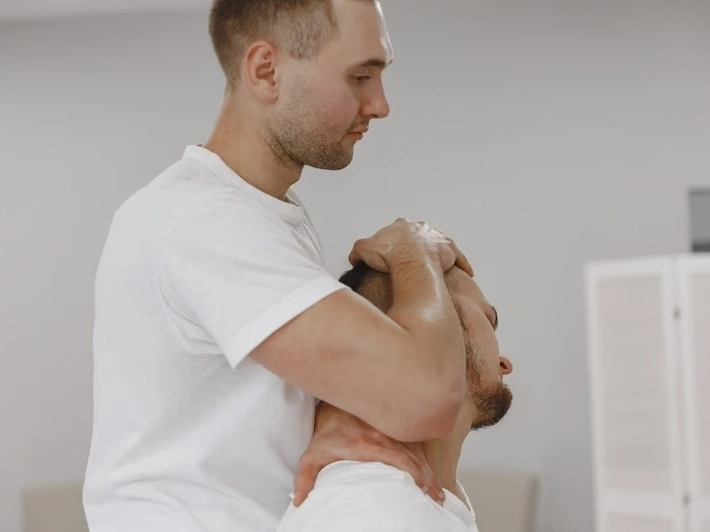
Part III is a hands-on test. It checks skills like spinal adjustments. It also looks at how they check patients.
Part IV tests clinical skills. It includes reading X-rays. It also has fake patient cases to solve.
Tests happen at centers across the country. Most students take them during or after school.
Many take Part I and Part II while still in school. They take Part III and Part IV after graduation.
Tests are mostly multiple-choice. Some parts have hands-on tasks. Scores come on a standard scale.
Each state picks its own passing score. Chiropractors must meet this to get a license.
The NBCE also has extra tests. These are for things like physiotherapy (exercises) and acupuncture (needles).
These extra tests aren't required. They show extra skills in certain areas. The NBCE updates tests often.
They make sure tests match new research. This keeps the exams fair and tough.
Why NBCE Matters?
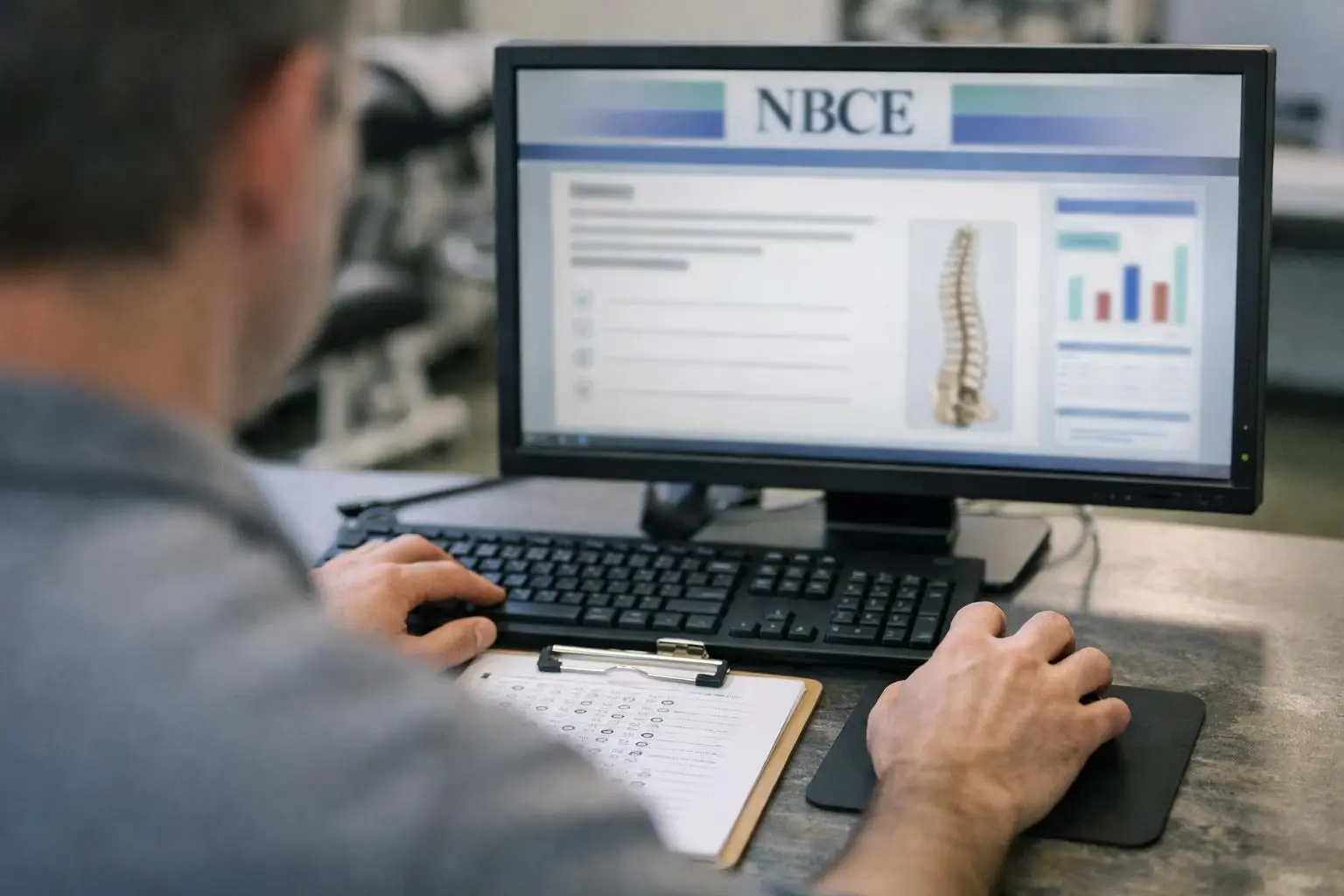
NBCE exams help people trust chiropractors. They make sure all chiropractors know the same things. This means patients get safe care.
Chiropractic care uses hands-on methods. These can affect the spine and nerves. So, knowing what to do is very important.
For chiropractors, passing NBCE tests is a big step. Without passing, they can't get a license. They can't work in most states.
The tests also show what they need to learn more about. This helps them keep up with the best ways to treat patients.
Passing the tests can also help chiropractors. Patients, insurance companies. And doctors trust them more.
When NBCE Matters Most?
NBCE exams matter at key times in a chiropractor's career. Students must pass Part I and Part II to move ahead in school.
They need to pass Part III and Part IV to graduate. They also need them to get a license.
After school, scores matter for licensing. Most states want proof of passing scores. They need this to give a license.
NBCE scores help when moving to a new state. Many states ask for them. Some want them even if the chiropractor is already licensed.
Insurance companies may also want NBCE scores. This can affect which patients they can see. It can also affect insurance plans.
Patients can check NBCE scores too. States often keep these records. Patients can ask to see them.
This helps patients pick a good chiropractor. It lets them make smart choices about their care.