Glossary

What is Ligament Injury?

Ligament Injury is damage to the tough, fibrous tissues that connect bones to other bones at joints. Ligament injuries often occur during sports, falls. Or accidents and range from mild sprains to complete tears. They cause pain, swelling. And instability in the affected joint, limiting movement and strength until healing occurs.

Reviewed by Dr. Harry W. Brown, D.C.Sources reviewed: American Academy of Orthopaedic Surgeons, National Institute of Arthritis and Musculoskeletal and Skin Diseases

Quick Facts About Ligament Injury

Category

Soft tissue injury

Used for

Joint stability and movement

Common confusion

Often mistaken for muscle strains or tendon injuries

Also called

Sprain, Ligament tear

Often discussed with

Sports Injury Chiropractic Care, Car Accident Injury Rehabilitation

Key Takeaways About Ligament Injury

Understanding Ligament Injury
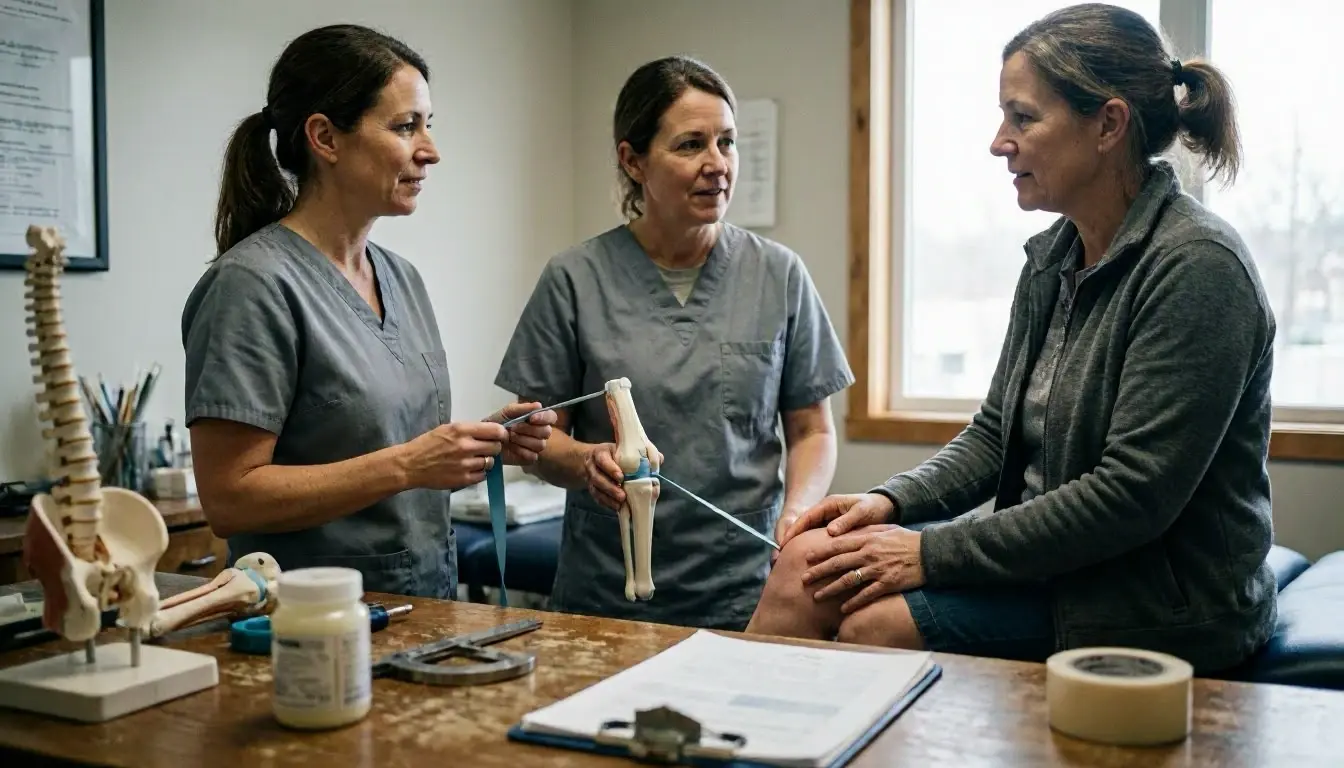
Ligament Injury in Chiropractor: Ligament Injury is damage to the tough, fibrous tissues that connect bones—visual guide

Ligaments are strong, flexible bands of tissue that connect bones at joints, such as the knee, ankle. Or wrist. They provide stability and guide normal joint movement. A ligament injury occurs when these tissues stretch too far or tear, usually due to sudden twisting, impact. Or overuse. Unlike muscles or tendons, ligaments have limited blood supply, which means they heal more slowly and may require careful management to avoid long-term joint problems.

Related glossary terms: Soft Tissue Injury, Muscle Strain, Disc Herniation.

Ligament injuries are classified into three grades based on severity. Grade 1 involves mild stretching with minimal tearing and minor pain. Grade 2 includes partial tearing, causing noticeable swelling, bruising. And joint instability. Grade 3 represents a complete tear, leading to severe pain, joint looseness. And an inability to bear weight or move the joint normally. These injuries are common in athletes but can also happen during everyday activities like stepping off a curb or lifting heavy objects incorrectly.

How Ligament Injury Works?

When a ligament is injured, the body responds with inflammation—a natural healing process that brings extra blood, nutrients. And immune cells to the damaged area. This causes swelling, warmth. And pain, which are signals to protect the joint and avoid further damage. But too much inflammation can delay healing. So early care often includes rest, ice, compression. And elevation (RICE) to control swelling and reduce pain.

Healing occurs in stages. First, the body forms a blood clot to stop bleeding and begins repairing the torn fibers. Over weeks, new collagen fibers grow to bridge the gap in the ligament. For many customers, that is the difference. Finally, these fibers strengthen and realign to restore function. Physical therapy plays a key role in this process, using controlled exercises to rebuild strength and flexibility without overstressing the healing ligament. Without proper rehabilitation, the joint may remain weak, increasing the risk of re-injury or chronic instability.

Why Ligament Injury Matters?
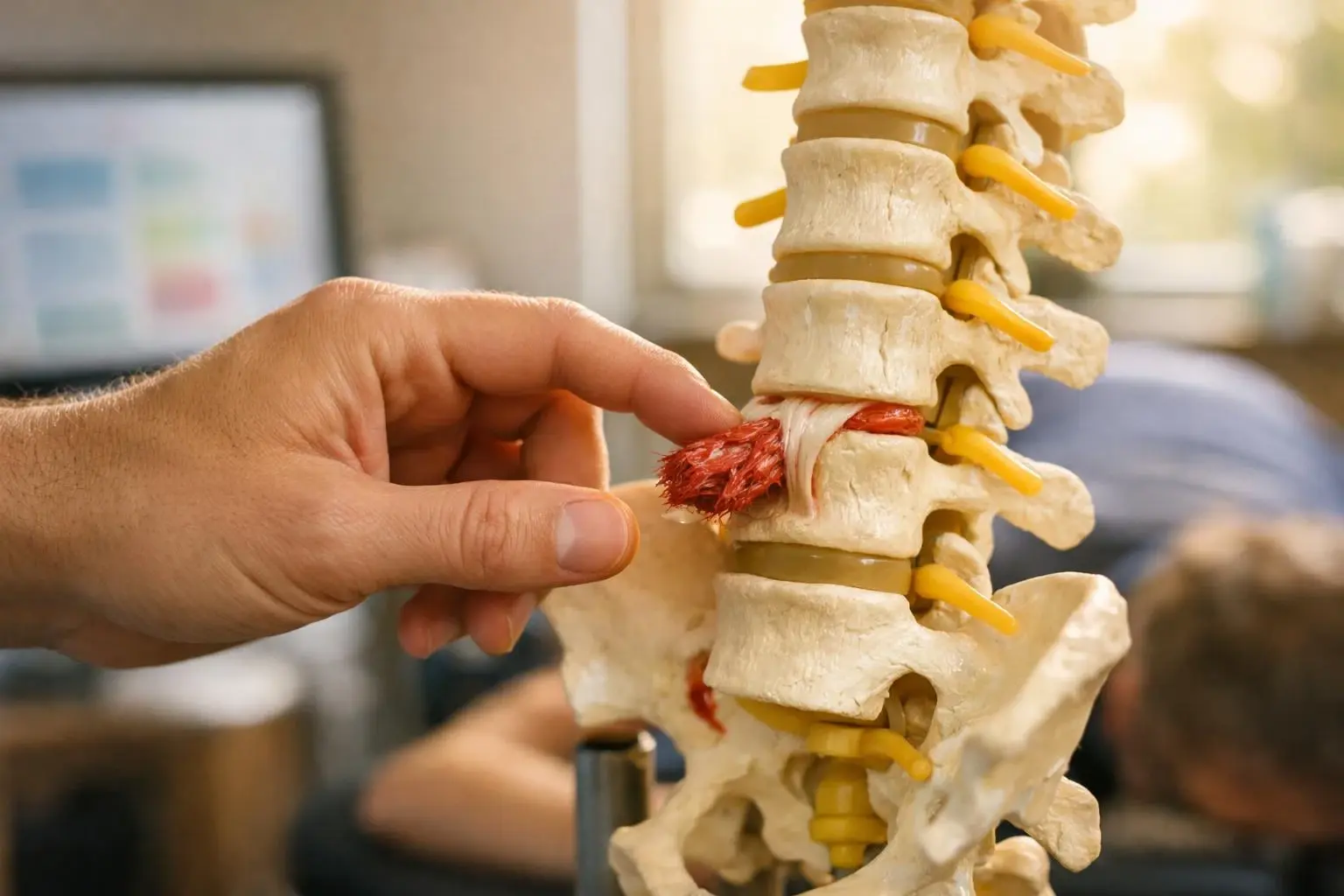
How Ligament Injury applies to Chiropractor services in Duluth, United States—practical illustration

Ligament injuries can significantly impact daily life and physical activity. Even a mild sprain can make walking, typing. Or lifting painful. While a severe tear may require months of recovery or surgery. Untreated ligament injuries can lead to long-term problems, such as chronic pain, joint instability. Or early-onset arthritis. For athletes or active individuals, these injuries can sideline participation in sports or hobbies, affecting both physical health and mental well-being.

Proper diagnosis and treatment are essential to ensure full recovery. Ignoring symptoms or returning to activity too soon can worsen the injury, prolong healing. Or cause permanent damage. Chiropractors and physical therapists often work together to create personalized rehabilitation plans that address pain, swelling. And mobility while restoring strength and function to the affected joint.

When Ligament Injury Matters Most?

Ligament injuries are most common in situations involving sudden stops, jumps. Or changes in direction, such as during sports like basketball, soccer. Or football. They also frequently occur in car accidents, slips and falls. Or workplace incidents where joints are twisted or overloaded. For example, a misstep on uneven ground can sprain an ankle. While a car collision may tear knee ligaments due to the force of impact.

Certain factors increase the risk of ligament injuries. These include poor conditioning, inadequate warm-up before activity, previous ligament damage. And muscle imbalances. Older adults may also be more susceptible due to age-related changes in tissue strength and flexibility. Recognizing these risks and taking preventive measures—such as wearing supportive footwear, using proper techniques during exercise. And strengthening muscles around joints—can help reduce the likelihood of injury.
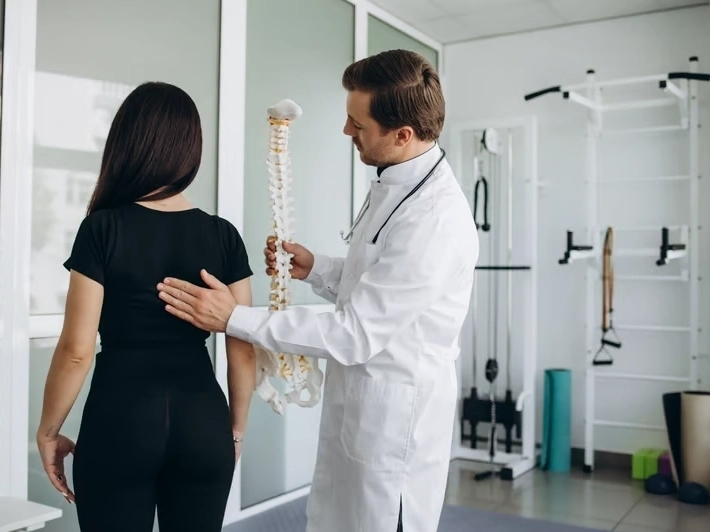

How to Evaluate Ligament Injury?

Related Concepts Compared

Ligament Injury vs. Muscle Strain

Muscle strains involve overstretched or torn muscle fibers. While ligament injuries affect the tissues connecting bones at joints.

Ligament Injury vs. Tendon Injury

Tendons connect muscles to bones. So tendon injuries (like tendinitis) cause pain near muscle attachments, not joint stability.

Ligament Injury vs. Sprain

A sprain is a specific type of ligament injury, often used to describe mild to moderate stretching or tearing of ligaments.

Expert Note

Ligaments heal slowly due to limited blood flow. Rushing rehabilitation can lead to re-injury. So gradual, progressive loading under professional guidance is key to full recovery.

Common Mistakes or Myths About Ligament Injury

  • Assuming all joint pain is a muscle strain and ignoring potential ligament damage.
  • Returning to sports or heavy activity too soon, risking re-injury or chronic instability.
  • Skipping rehabilitation, leading to weak or stiff joints and higher future injury risk.
  • Using heat too early after injury, which can increase swelling and delay healing.

Ligament Injury in Practice: A Real-World Example

After slipping on a wet floor, a runner felt a sharp pain in their ankle and heard a popping sound. Swelling and bruising appeared within hours, making it difficult to walk. An MRI confirmed a Grade 2 ligament tear, requiring weeks of rest, physical therapy. And a gradual return to running to prevent long-term instability.

Sources & Further Reading on Ligament Injury

  • American Academy of Orthopaedic Surgeons
  • National Institute of Arthritis and Musculoskeletal and Skin Diseases
  • Mayo Clinic

Related Services

Related Terms

Soft Tissue Injury

Soft Tissue Injury is damage to the body’s muscles, tendons, ligaments. Or fascia caused by sudden trauma, overuse. Or repetitive stress. These injuries often result in pain, swelling, bruising. Or reduced movement and can occur during sports, accidents. Or daily activities. Unlike bone fractures, soft tissue injuries affect non-bony structures that support and connect the body.

Muscle Strain

Muscle Strain is an injury that occurs when muscle fibers stretch or tear due to overexertion, sudden movement. Or improper use. Muscle strains commonly affect the back, neck, shoulders. And legs, causing pain, swelling. And limited movement. They range from mild discomfort to severe tears requiring medical attention.

Disc Herniation

Disc Herniation is a spinal condition where the soft, gel-like center of a spinal disc pushes through a tear in the tougher outer layer, often pressing on nearby nerves. This can cause pain, numbness. Or weakness in the back, neck, arms. Or legs. Disc herniation typically occurs in the lower back or neck and is often caused by aging, injury. Or strain.

Neck Pain

Neck Pain is discomfort, stiffness. Or soreness in the cervical spine—the seven vertebrae that support the head and connect to the upper back. Neck Pain can range from mild, temporary aches to severe, chronic pain that limits movement and daily activities. Causes include muscle strain, poor posture, injury, arthritis.

Arrowhead Clinic

Have Questions About Ligament Injury?

Contact Arrowhead Clinic for practical guidance on Ligament Injury and related chiropractor work in Duluth.

+1 770-525-1431