Understanding National Board of Chiropractic Examiners
The National Board of Chiropractic Examiners (NBCE) is a nonprofit organization that plays a central role in the chiropractic profession. It was established to create fair, consistent exams that measure whether chiropractic students and graduates have the knowledge and skills needed to practice safely and effectively. Unlike state licensing boards, which grant licenses, the NBCE focuses solely on developing and delivering exams that states can use as part of their licensing process.
Related glossary terms: Chiropractic License, Chiropractic Adjustment, Chiropractic Manipulation.
Chiropractic schools prepare students for these exams. But the NBCE operates independently. This separation helps ensure exams remain unbiased and reflect national standards rather than the curriculum of any single school. The NBCE also provides study resources, practice exams. And detailed exam outlines to help candidates prepare. This structure helps maintain public trust in the chiropractic profession by ensuring all licensed chiropractors meet the same minimum competency requirements.
How National Board of Chiropractic Examiners Works?
The NBCE administers several exams, known as parts, that cover different areas of chiropractic knowledge. Most candidates take these exams during their final years of chiropractic school. Part I focuses on basic sciences like anatomy, physiology. And chemistry. Here is why. Part II covers clinical sciences, including diagnosis, neurology. And radiology. Part III tests clinical competency. While Part IV assesses practical skills like spinal analysis and adjustment techniques. There is also a physiotherapy exam for those who want to offer additional therapies.
Exams are typically multiple-choice and computer-based. Though Part IV includes hands-on demonstrations. The NBCE sets passing scores for each exam. And candidates must achieve these scores to receive a certificate. States then use these certificates, along with other requirements like background checks and education verification, to grant chiropractic licenses. The NBCE also offers optional exams for chiropractors seeking specialty certifications or licenses in additional states.
Why National Board of Chiropractic Examiners Matters?
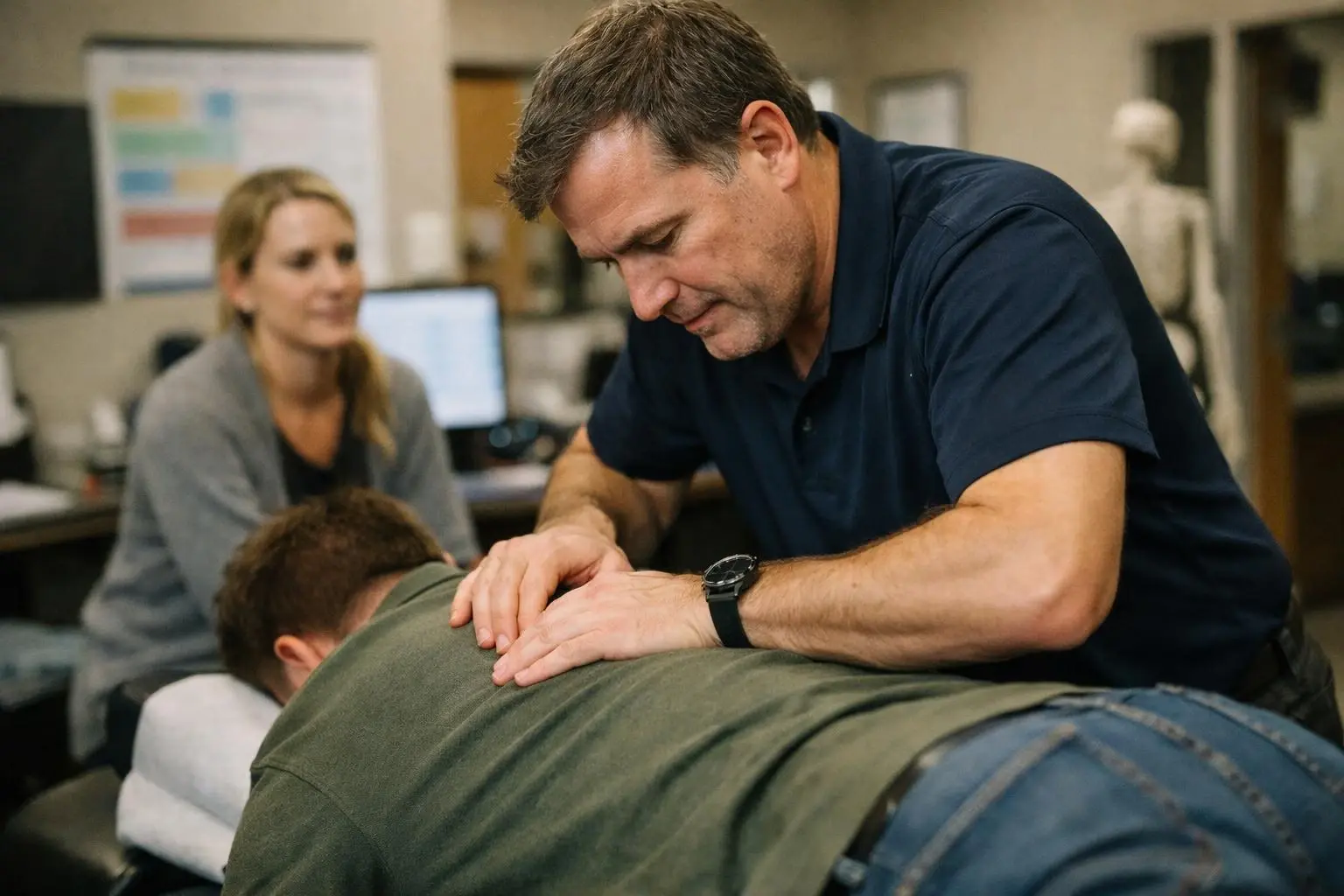
The NBCE exams serve as a quality control measure for the chiropractic profession. By requiring chiropractors to pass standardized exams, the NBCE helps ensure that all practitioners have a baseline level of knowledge and skill. That means especially important because chiropractic care involves hands-on techniques that can impact patient health. Without standardized exams, there would be no consistent way to verify that chiropractors across different states meet the same minimum standards.
The NBCE also helps protect patients by reducing the risk of unqualified practitioners entering the field. For chiropractors, passing NBCE exams is often the final step before obtaining a license and beginning practice. The exams also provide a benchmark for chiropractic schools, helping them align their programs with national expectations. This benefits students by ensuring their education prepares them for both the exams and real-world practice.
When National Board of Chiropractic Examiners Matters Most?
NBCE exams matter most during key moments in a chiropractor’s education and career. For students, these exams are a major focus during the final years of chiropractic school. Passing the required parts is necessary to graduate and move forward with licensing. For graduates, NBCE exam results are often required when applying for a chiropractic license in any state. Some states also require NBCE exams for license renewal or for chiropractors moving from another state.
In practice, NBCE exams also matter when chiropractors pursue specialty certifications or additional credentials. For example, chiropractors who want to offer physiotherapy or work in sports medicine may need to pass additional NBCE exams. Patients may not interact directly with the NBCE. But its exams help ensure the chiropractor they visit has met national competency standards. This is particularly important for patients seeking care for conditions like back pain, neck pain. Or injuries, where safe and effective treatment depends on a chiropractor’s knowledge and skills.