Understanding Diversified Technique
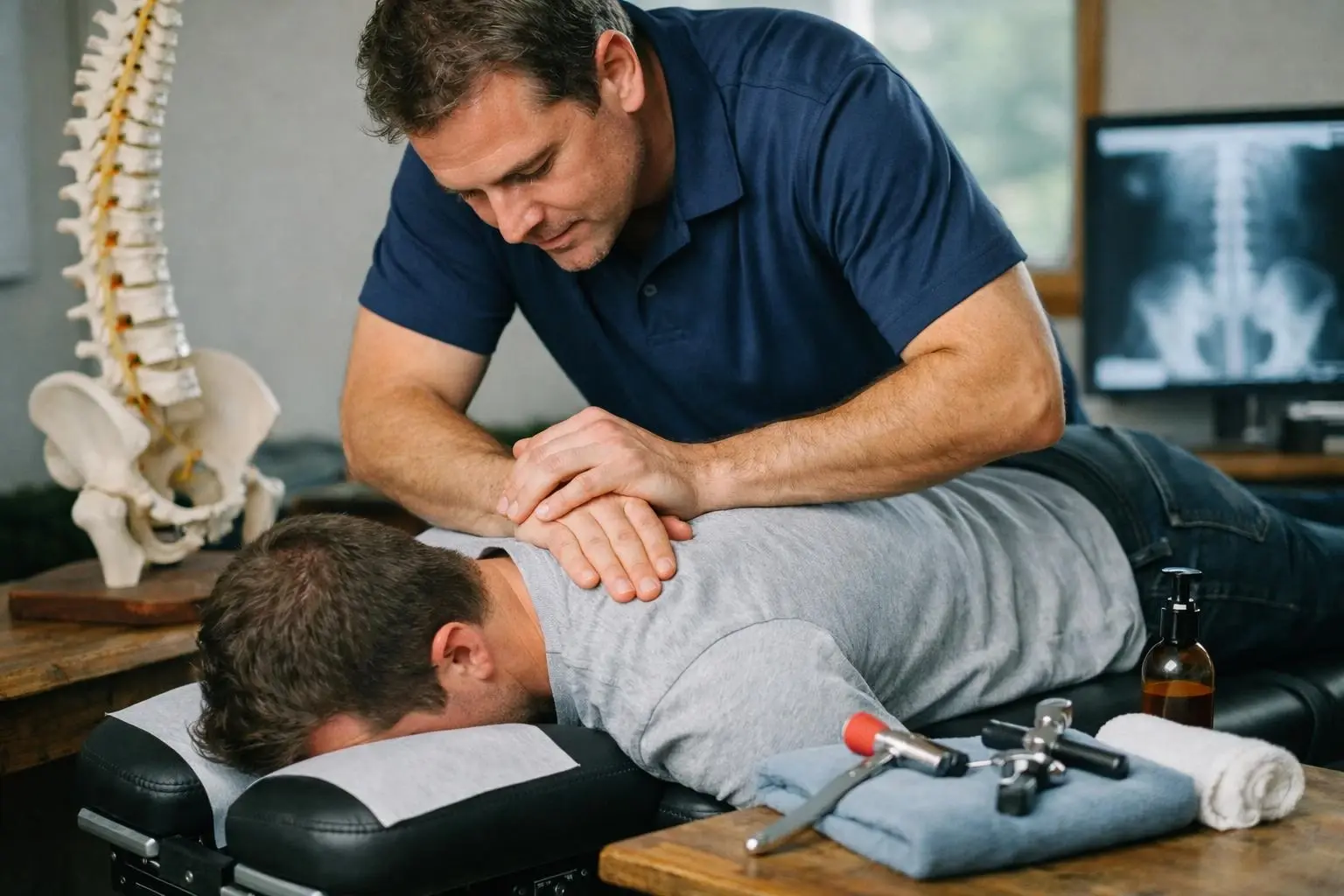
Diversified Technique is a manual chiropractic adjustment method developed to address joint dysfunction. Unlike general stretching or massage, it focuses on specific joints that are not moving correctly. Chiropractors use their hands to apply a quick, controlled thrust to the joint, often producing a popping sound. This sound comes from gas releasing in the joint fluid, not from bones cracking.
Related glossary terms: Chiropractic Adjustment, Gonstead Technique, Thompson Drop Technique.
The technique is called "diversified" because it adapts to different joints and patient needs. It can be used on the spine, shoulders, hips, knees. And other areas. Diversified Technique is distinct from other chiropractic methods because it relies on the chiropractor’s skill and judgment rather than specialized tables or instruments. It's taught in nearly all chiropractic colleges and is a foundational skill for licensed chiropractors.
How Diversified Technique Works?
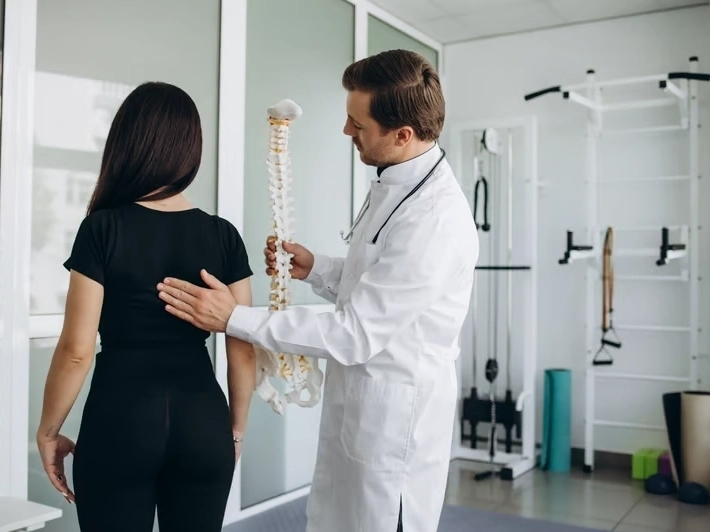
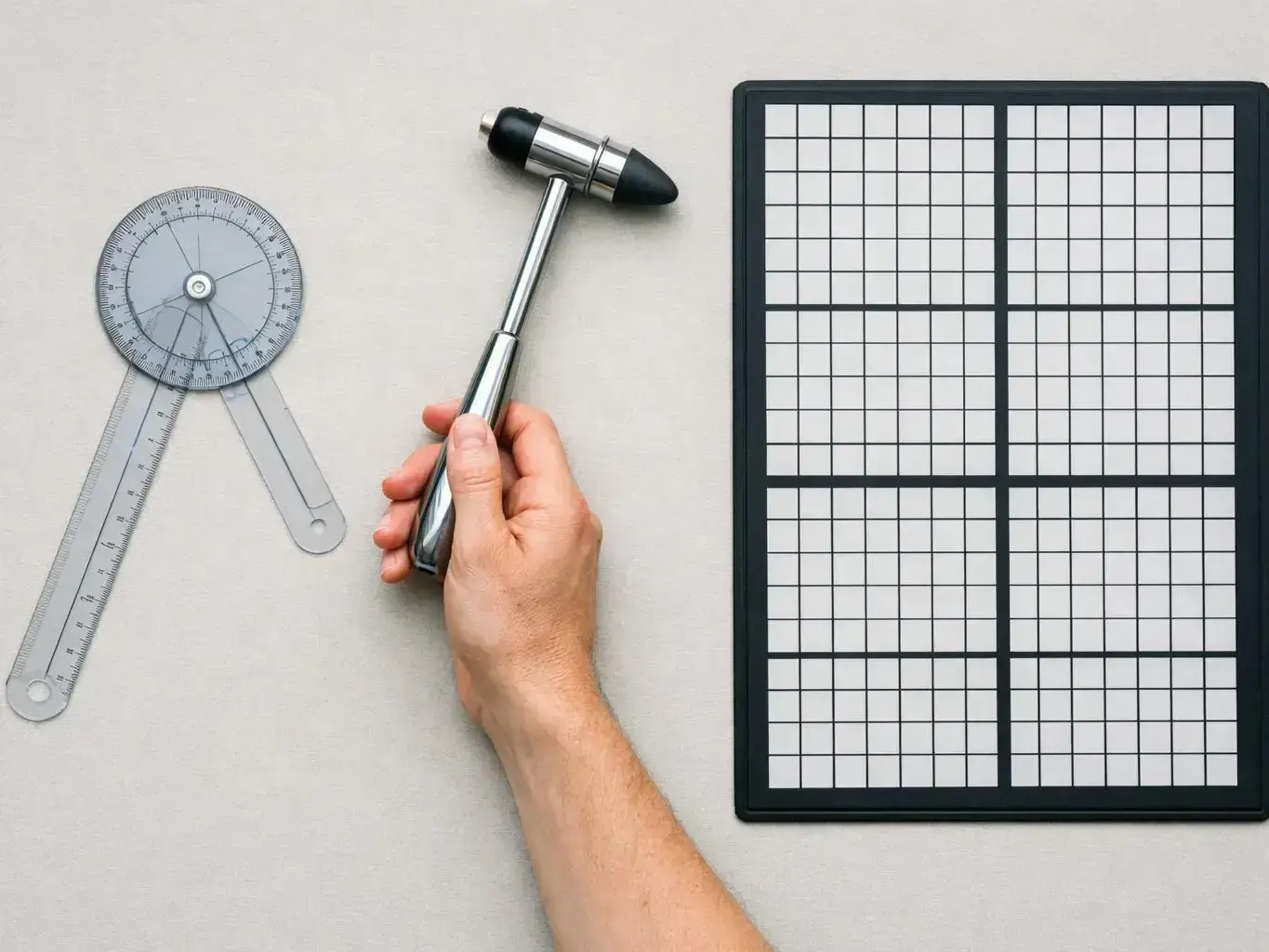
Before performing a Diversified adjustment, the chiropractor evaluates the patient’s joints through movement tests, palpation. And sometimes imaging. They identify joints that are stuck or moving improperly. Once the target joint is located, the chiropractor positions the patient to isolate that joint. The adjustment itself involves a short, quick thrust applied in a specific direction. This thrust helps restore normal joint motion and relieve pressure on surrounding nerves and tissues.
The force used in Diversified Technique varies depending on the joint and patient. For example, adjustments to the spine may require more force than adjustments to the wrist. Chiropractors adjust their technique based on the patient’s age, size. And condition. While the adjustment is quick, the effects can last for hours or days, helping the body maintain better alignment and function. Many patients report immediate relief. Though some may need multiple sessions for lasting improvement.
Why Diversified Technique Matters?
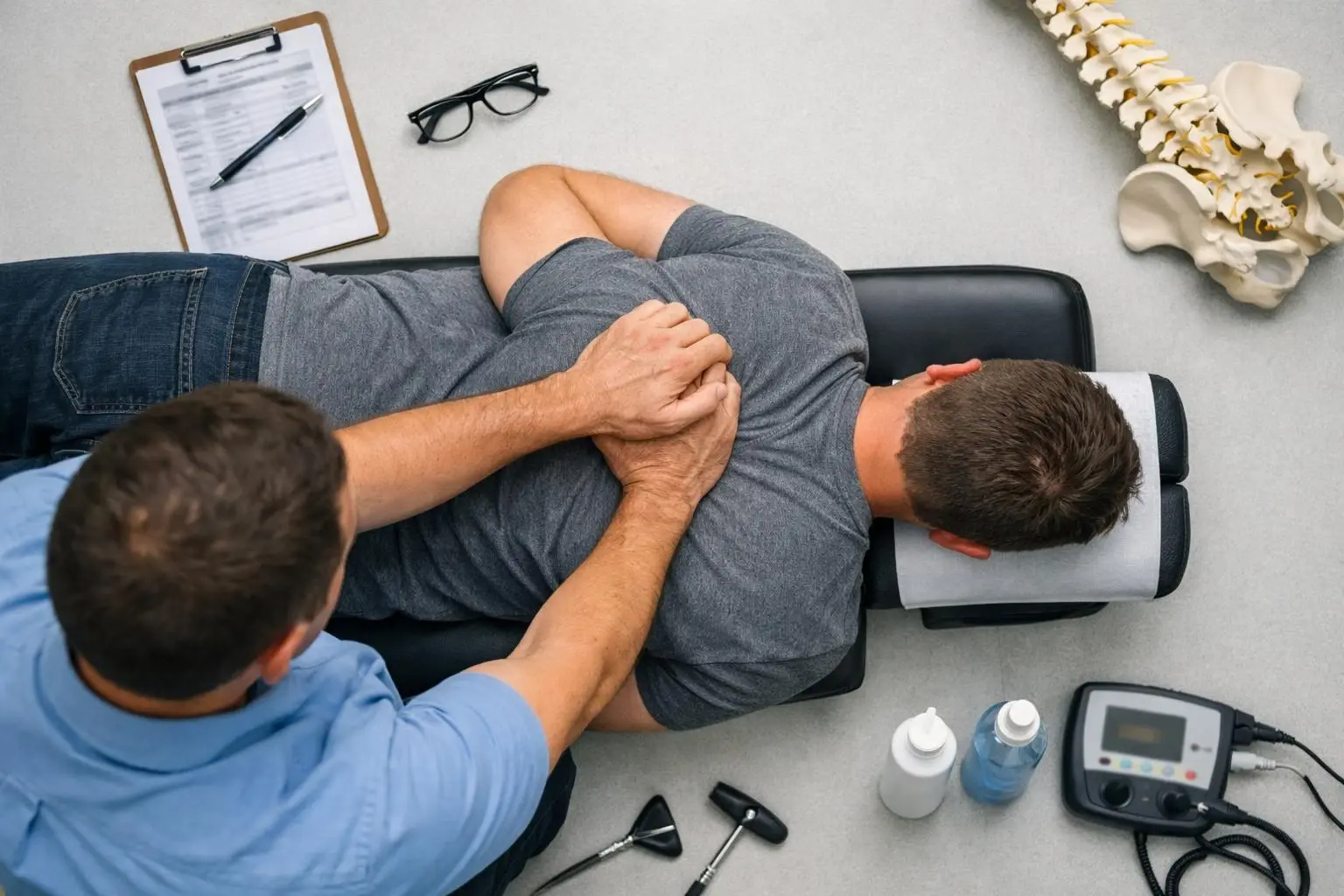
Diversified Technique matters because it offers a non-invasive way to address joint pain and dysfunction. Many people experience stiffness, pain. Or reduced mobility due to poor joint movement. These issues can stem from injuries, repetitive stress, poor posture. Or aging. Diversified adjustments help restore normal joint mechanics, which can reduce pain, improve range of motion. And boost overall function. Unlike medications that only mask symptoms, Diversified Technique targets the root cause of joint restrictions.
For athletes, office workers. And active individuals, Diversified Technique can help maintain optimal joint health. It is also commonly used to address back pain, neck pain, headaches. And joint discomfort. Because it doesn't involve surgery or drugs, it is a low-risk option for many patients. Research supports its effectiveness for certain conditions, particularly when combined with other therapies like exercise or soft tissue work.
When Diversified Technique Matters Most?
Diversified Technique is most helpful when joint restrictions are causing pain, stiffness. Or limited movement. Common situations where it is used include after minor injuries, such as sprains or strains. Or following prolonged periods of poor posture. It is also beneficial for people with chronic conditions like osteoarthritis or repetitive stress injuries. Chiropractors often use Diversified Technique as part of a broader treatment plan that may include exercises, stretches. Or other therapies.
Patients typically seek Diversified adjustments when they want a hands-on, drug-free approach to pain relief. It is particularly useful for those who prefer quick, targeted treatments over longer sessions. But it may not be suitable for everyone. People with certain conditions, such as severe osteoporosis, fractures. Or nerve damage, may need alternative therapies. A qualified chiropractor will evaluate each patient to determine if Diversified Technique is safe and appropriate.