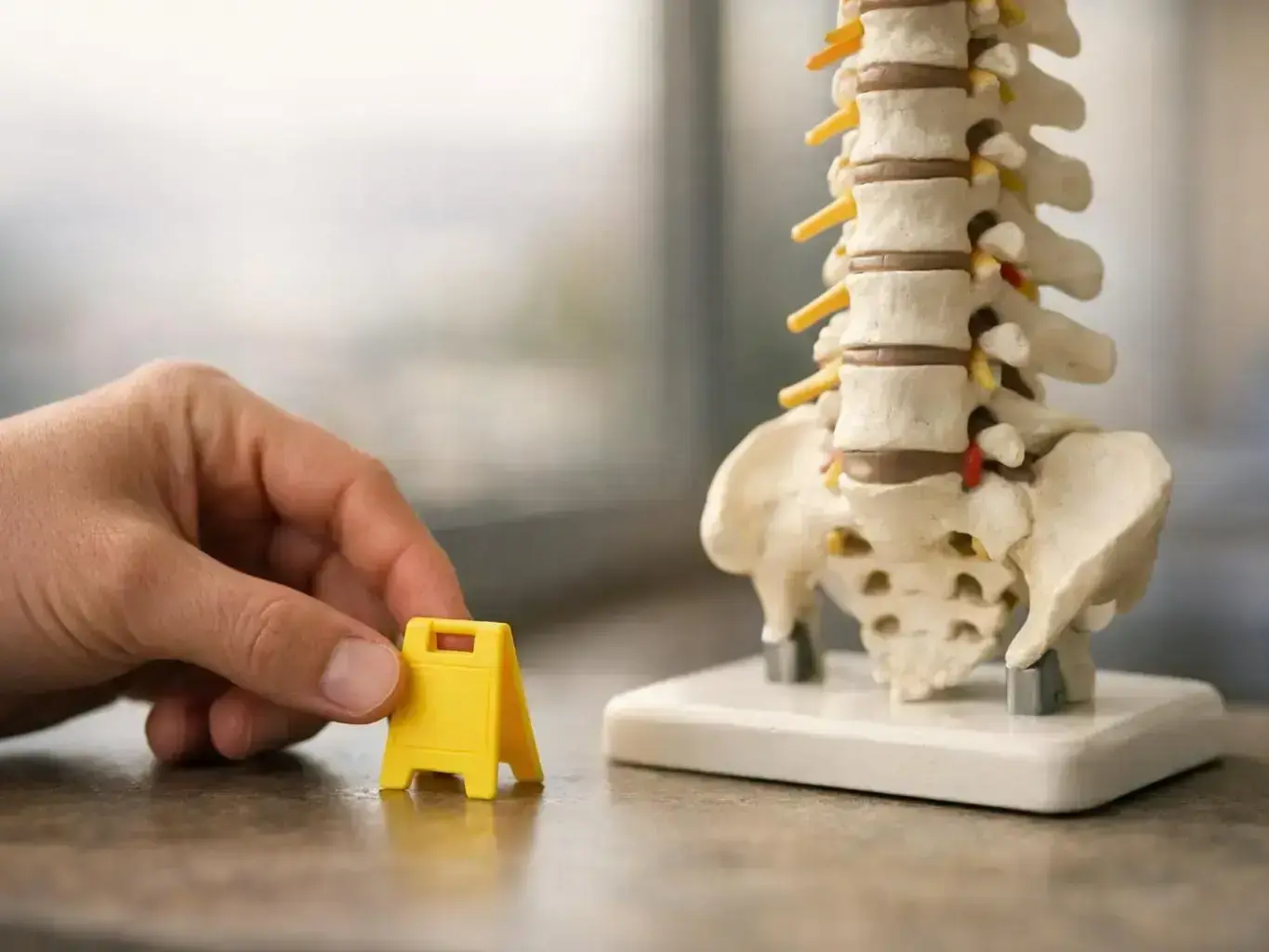
Understanding Adjustment
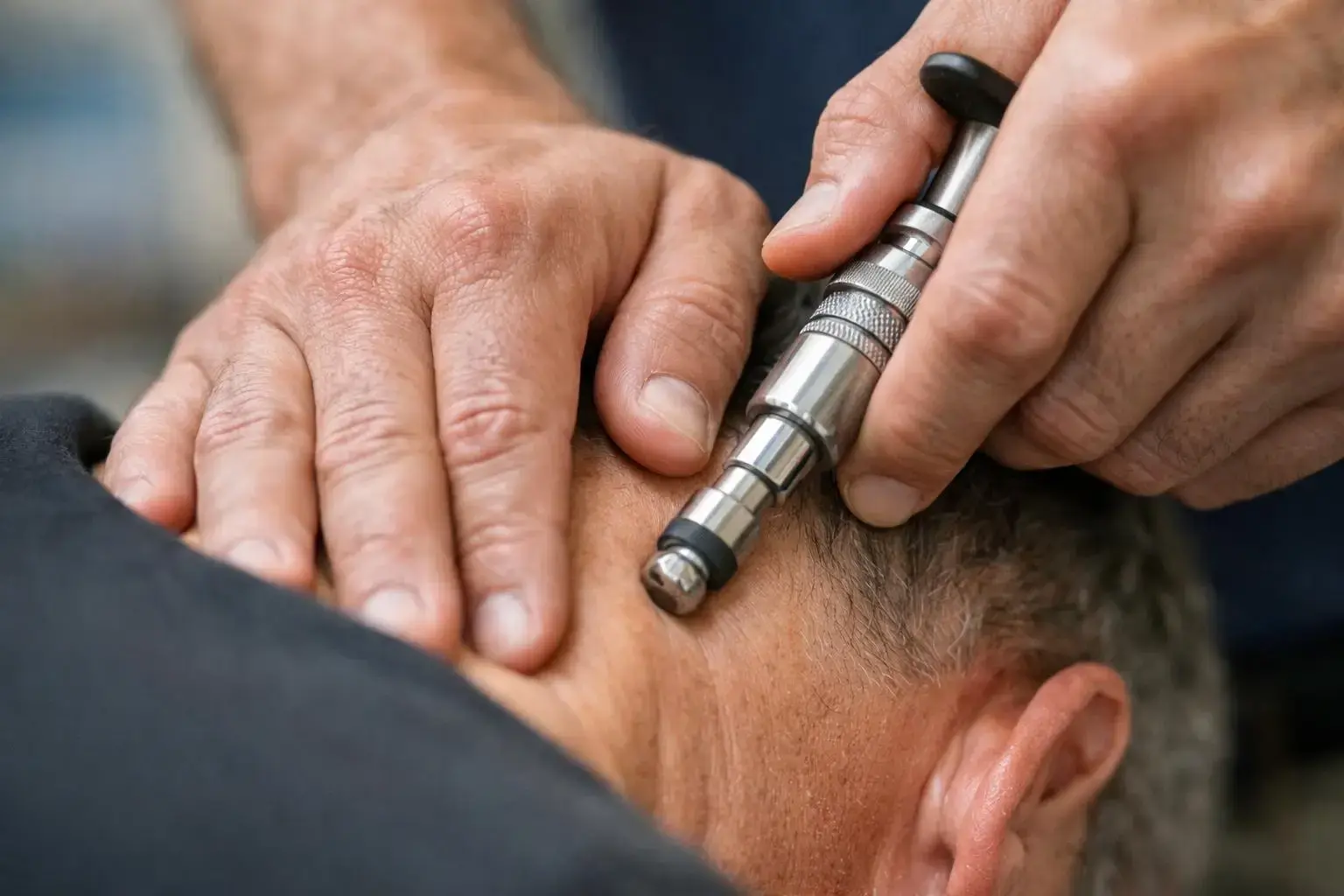
An adjustment is a safe way to fix joints. It is also called a chiropractic adjustment. Another name is spinal manipulation.
Related glossary terms: Chiropractic Adjustment, Mobilization, Chiropractic Care.
A licensed chiropractor does this. It does not need surgery. It helps fix bones that are out of place.
These out-of-place bones are called subluxations (misaligned joints). They can cause pain. They can make you stiff.
They can also limit how well you move. This happens when they press on nerves. They can press on muscles too.
Adjustments help joints work right. This lets your body heal. You can move better too.
How Adjustment Works?
The chiropractor uses their hands. They may use small tools. They give a quick, controlled push.
This push moves the joint a little. It goes past its normal range. But it does not hurt you.
You might hear a pop or crack. This is just gas bubbles. They come from the joint fluid.
This sound is normal. It does not mean harm. Adjustments fit each person.
They change based on age and size. They also change for health needs. Kids, adults. And seniors can all get them.
The chiropractor checks you first. They may take X-rays. They look at your posture too.
They test how you move. This shows which joints are out of place. It helps them fix you right.
You lie on a special table. The chiropractor makes sure you are comfy. Then they give a quick, gentle push.
This push moves the joint back. It goes where it should be. The push is careful.
It does not hurt muscles or ligaments. The push takes just seconds. The whole visit may take 15 to 30 minutes.
Some people feel better right away. Others get better over time. It depends on your problem.
It also depends on your health. And how long you have had the issue. You may need more than one visit.
Chiropractors may add other treatments. They might do soft tissue work. They could add stretches or exercises.
This helps you get better faster. It also stops future problems.
Why Adjustment Matters?
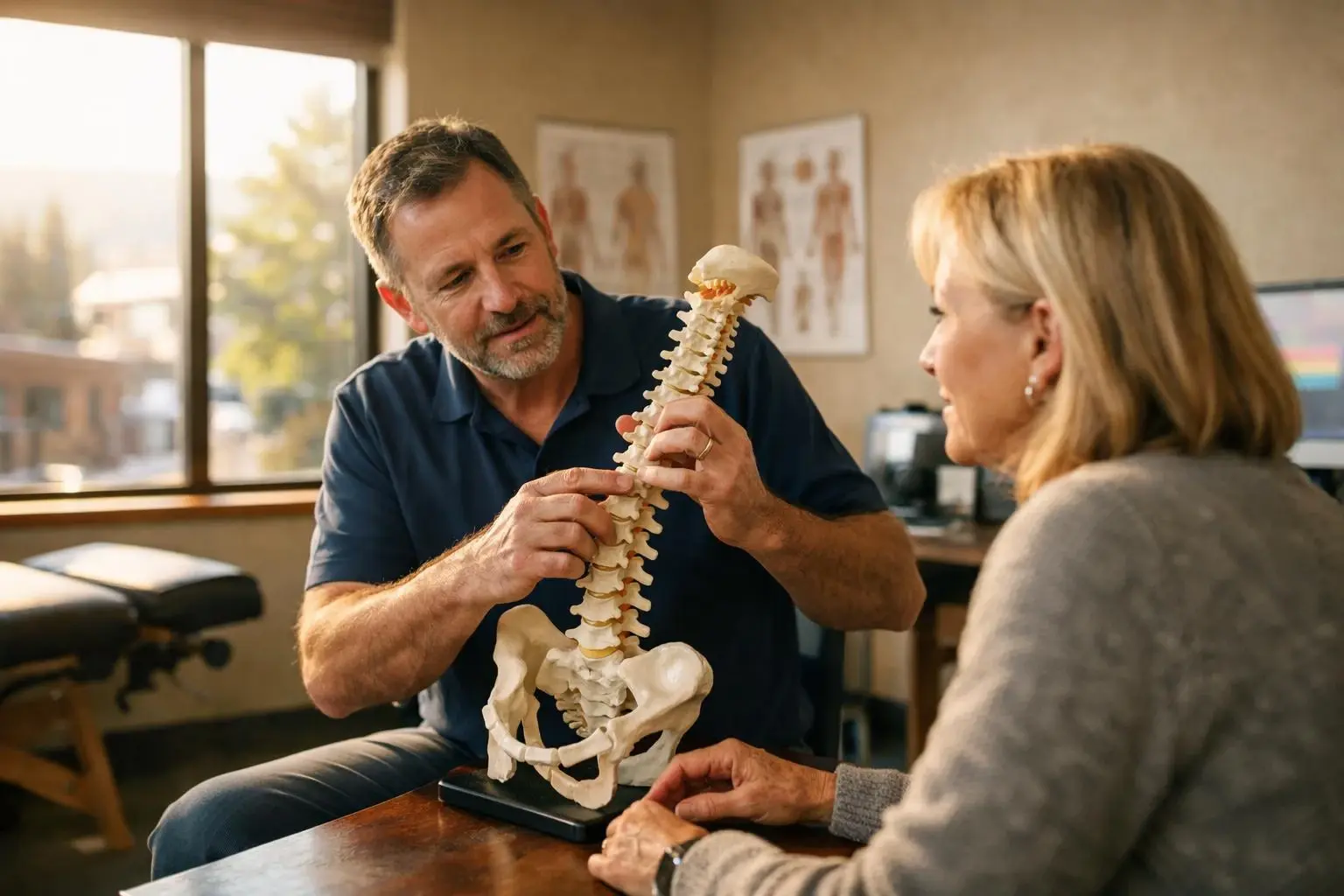
Adjustments help many people. They ease pain. They help you move better.
When joints are out of place, they bother nerves. This can cause pain. It can cause tingling too.
You might feel weak. The pain can be far from the spine. It can be in your arms or legs.
A neck bone out of place can cause headaches. It can cause shoulder pain too. A lower back problem can cause sciatica (leg pain).
Adjustments put bones back in place. This stops nerve bother. It eases muscle tightness.
It helps blood flow better. Your body works better too.
Studies show adjustments work. They help with back pain. They help with neck pain and headaches.
Many people pick adjustments. They don’t want pills. They don’t want surgery.
Pills can have side effects. Surgery takes a long time to heal. Adjustments are safer.
They help you stay well. They keep your spine in line. This helps your nerves work better.
It can boost your immune system. It can help you sleep. Adjustments don’t use drugs or surgery.
They are a safe way to ease pain.
When Adjustment Matters Most?
Adjustments help people with joint pain. They help with stiffness. They help if you can’t move well.
People get them for back pain. They get them for neck pain. They get them for headaches too.
Sports injuries can need adjustments. Bad posture can too. They help after car accidents.
They help after slips and falls. These can knock bones out of place. Pregnant women get them for back pain.
Their bodies change. This can loosen ligaments. It can shift the spine.
Adjustments aren’t just for pain. They help athletes too. They keep joints moving right.
This stops injuries. It helps you move better. People with arthritis get them.
People with scoliosis (curved spine) get them too. They help manage pain. They keep you moving.
But not everyone can get adjustments. Chiropractors check first. They look for broken bones.
They check for weak bones. They check for nerve damage. These can make adjustments unsafe.
If adjustments aren’t safe, they suggest other treatments.