Understanding Magnetic Resonance Imaging
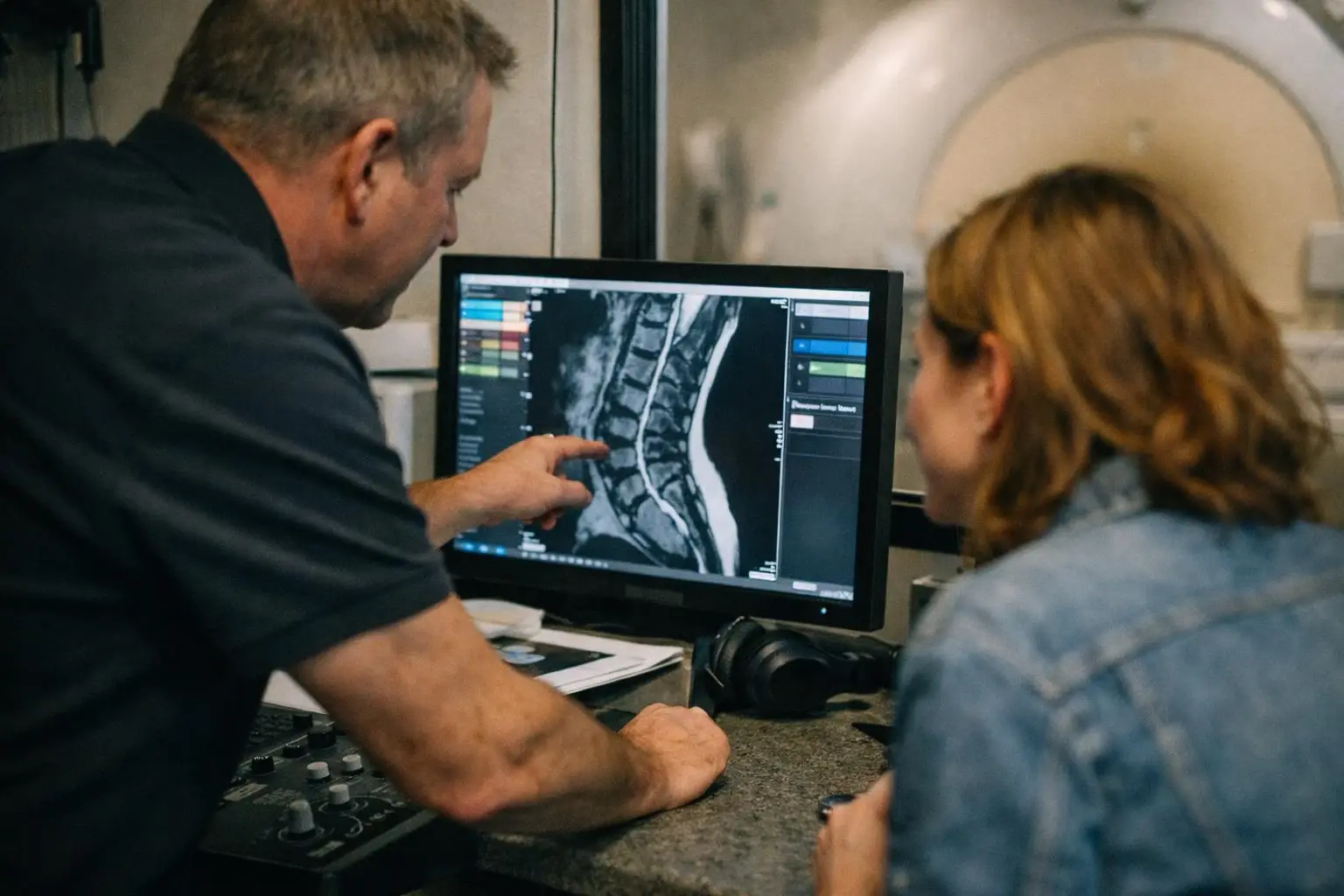
MRI is a tool doctors use. It lets them see inside your body. They don't need surgery to do this.
MRI uses a big magnet and radio waves. It makes pictures of organs, bones. And tissues. These pictures help doctors find problems.
MRI can spot torn muscles or hurt joints. It finds brain injuries and herniated discs too. It doesn't use radiation. So it's safer.
MRI machines look like big tubes. A table slides in and out. You lie on it during the scan.
You must stay still while the machine takes pictures. It doesn't hurt. But some people feel closed in.
The machine makes loud noises. Earplugs or music can help. The scan takes 30 to 60 minutes.
How Magnetic Resonance Imaging Works?
MRI works with your body's hydrogen atoms. A strong magnet lines them up. Radio waves then pass through your body.
Atoms release energy. The machine catches this energy. It turns it into pictures.
Different tissues release energy at different speeds. This helps MRI show muscles, fat. And organs clearly.
MRI is great for soft tissues. X-rays can't see these well. That's why MRI is so useful.
The machine makes slice-like pictures. These are like slices of bread. They can be put together to make a 3D view.
Doctors look at these pictures. They check for tumors, swelling. Or damage. MRI helps with brain, spine, joints. And organs.
It can also check blood vessels and the heart. Doctors use MRI to find many kinds of problems.
Why Magnetic Resonance Imaging Matters?
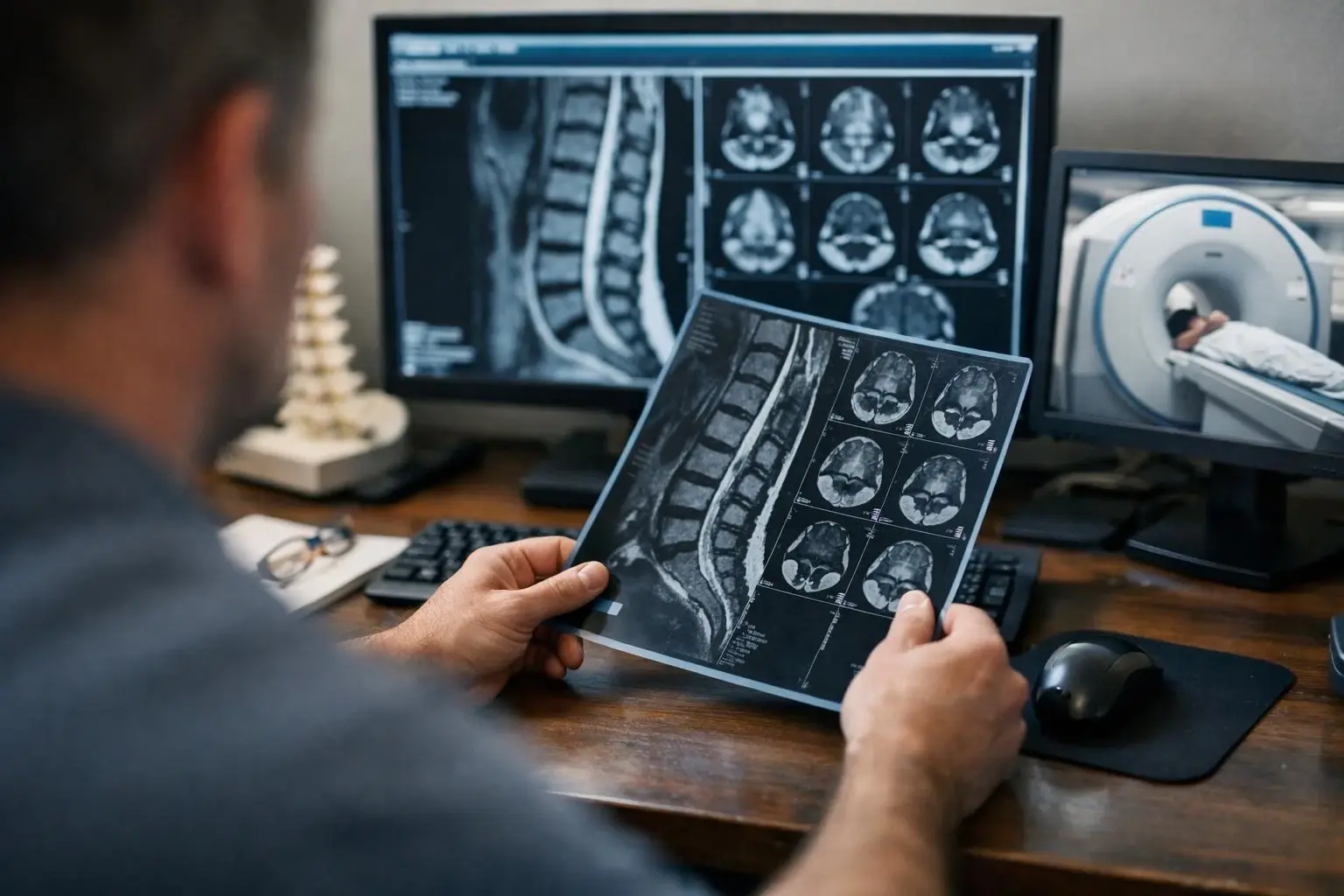
MRI is very important in medicine. It gives clear pictures. It doesn't use radiation. So it's safe.
Kids and people who need many scans can use it. It's good for soft tissue problems. These include MS, strokes. And sports injuries.
Doctors use MRI to plan surgeries. It helps track treatments like cancer chemo. This keeps patients safer.
Chiropractors use MRI too. It finds hidden problems. X-rays or exams might miss these.
For example, MRI shows herniated discs. These can press on nerves. This helps chiropractors make better plans.
Without MRI, some problems might not be found. This could cause more pain. Or it could lead to wrong treatments.
When Magnetic Resonance Imaging Matters Most?
MRI is best for soft tissues. It helps with complex body parts. Doctors use it for many reasons.
You might need one for back or neck pain. Headaches or joint injuries are other reasons. It checks for nerve damage too.
MRI looks at problems found in other tests. It watches chronic conditions like arthritis. It helps with spinal stenosis too.
Some people can't have an MRI. Those with metal implants may not be safe. The magnet can cause problems.
Pacemakers or cochlear implants are examples. Some surgical clips can't go in either. The magnet can move them.
Remove all metal before an MRI. This includes jewelry and belts. Some clothes have metal too.
Tell your doctor about tattoos. Some inks have metal. This can cause skin irritation.