Glossary

What is Intersegmental Traction?

Intersegmental Traction is a chiropractic therapy that gently stretches and mobilizes the spine using a specialized table with rolling rollers. These rollers move along the spine, applying controlled pressure to separate vertebrae, improve joint motion. And reduce stiffness. The treatment aims to restore flexibility, enhance circulation. And relieve tension in the back muscles and spinal discs.

Reviewed by Dr. Harry W. Brown, D.C.Sources reviewed: American Chiropractic Association, National Center for Complementary and Integrative Health

Quick Facts About Intersegmental Traction

Category

Chiropractic therapy

Used for

Spinal stiffness, back pain. And muscle tension

Common confusion

Often mistaken for spinal decompression, which uses a pulling force instead of rollers

Also called

Roller Table Therapy, Spinal Mobilization Table

Often discussed with

Chiropractic Consultation and Diagnosis, Neck Injury Treatment

Key Takeaways About Intersegmental Traction

Understanding Intersegmental Traction
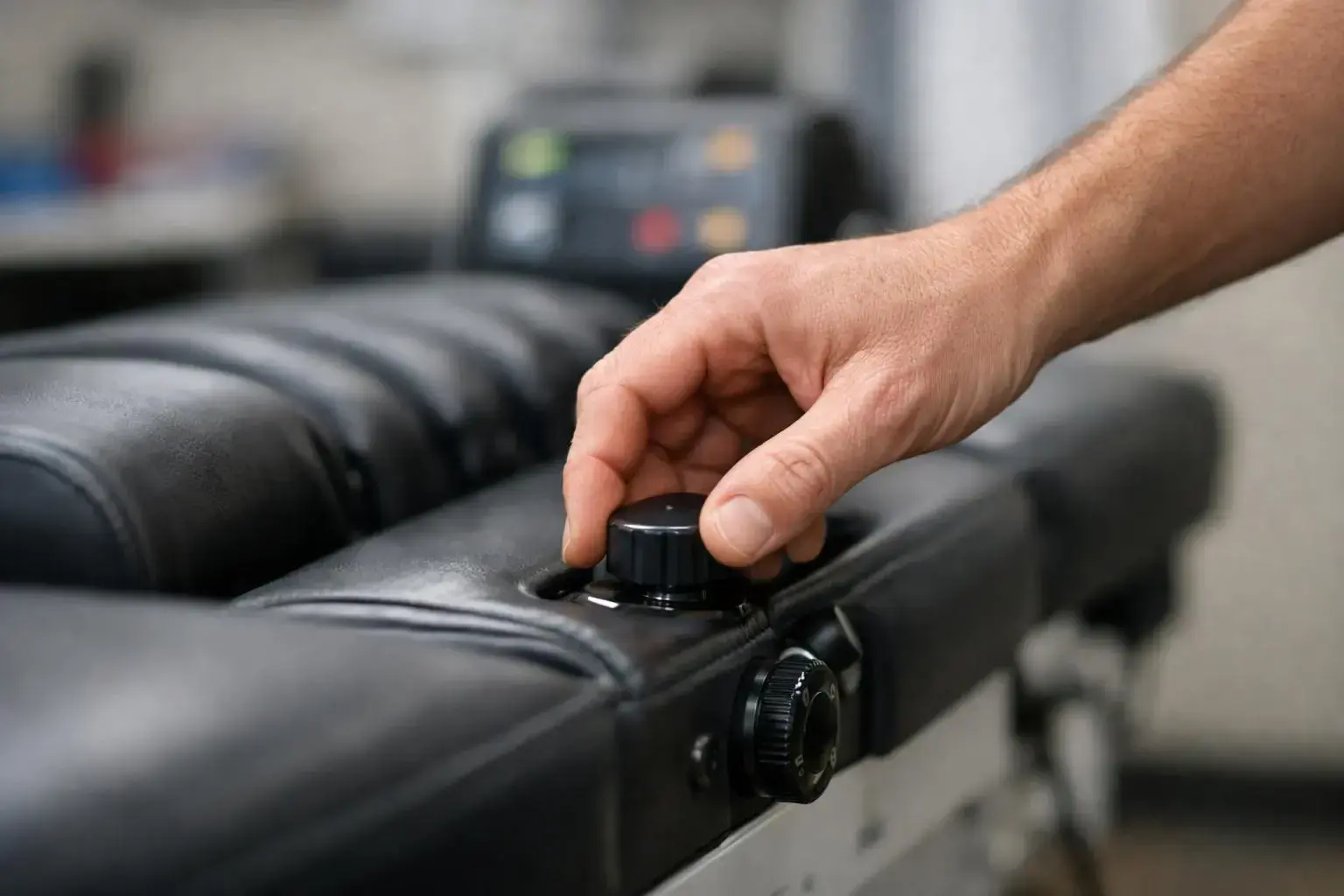
Intersegmental Traction in Chiropractor: Intersegmental Traction is a chiropractic therapy that gently stretches and mobil...

Intersegmental Traction helps your spine. It is a gentle treatment. A chiropractor (spine doctor) uses it.

Related glossary terms: Chiropractic Adjustment, Spinal Decompression, Flexion Distraction.

It stretches and moves your spine. The doctor does not push with their hands. They use a special table.

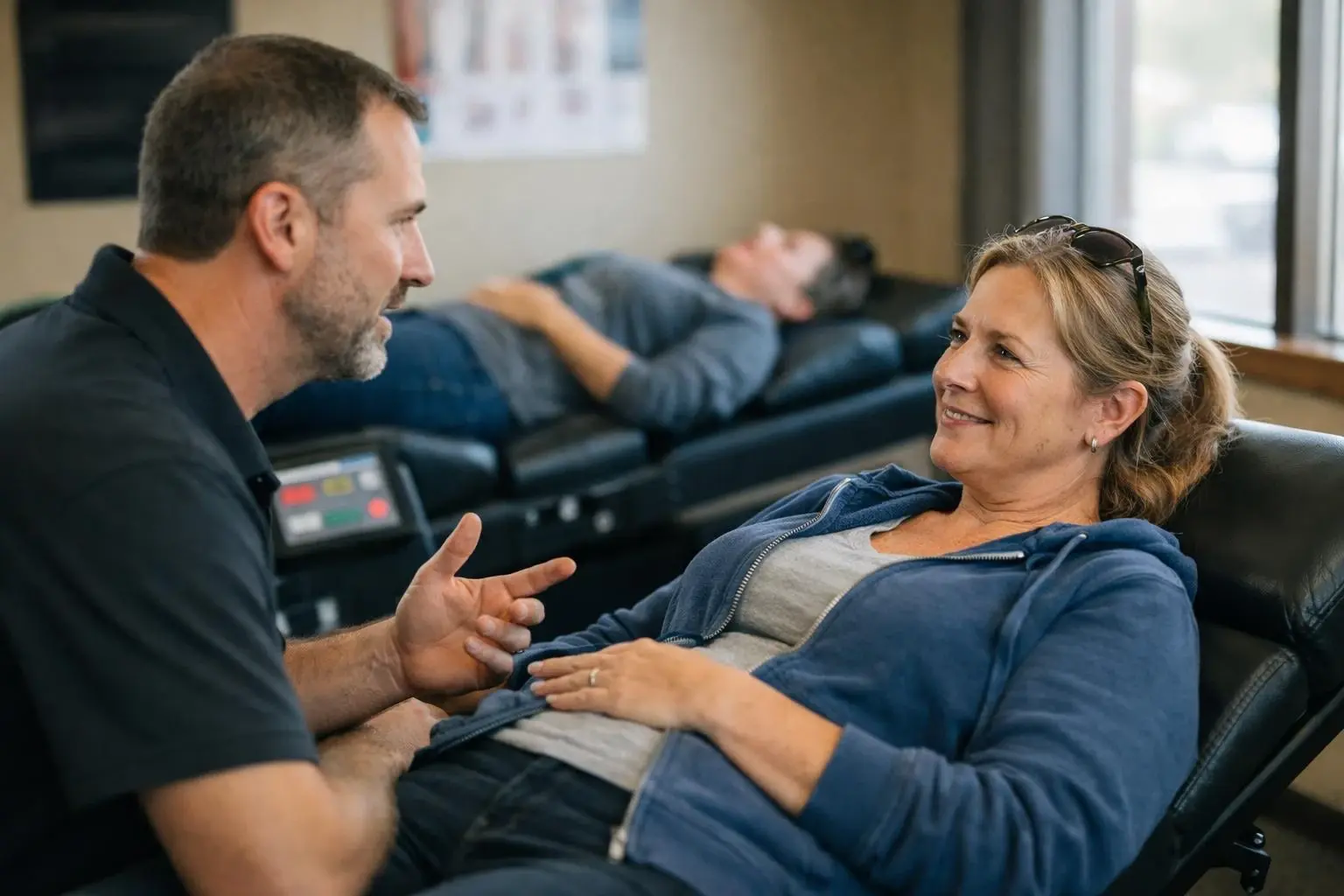
The table has rollers. They move along your back. They press in a gentle, steady way.

This press separates your spine bones a little. It helps them move better. They can get stiff from sitting too long.

It also helps if you hurt your back. Or if you sit with bad posture.

The goal is to help stiff backs. It also helps tight muscles. And it can help with disc (spine cushion) pain.

You just lie on the table. The rollers do all the work. This makes it easy and comfy.

It is good for people who don't like rough treatments. The stretch helps blood flow too.

Blood flow helps your spine heal. It also helps with swelling (puffiness).

How Intersegmental Traction Works?

The table has rollers. They move like waves. They are controlled by a motor.

You lie on your back. The rollers move from your lower back up. They lift each bone a little.

This copies how your back moves. Like when you walk or bend. It helps stiff or crooked bones.

You can change the roller height. You can also change how fast they go. This makes it just right for you.

Each session lasts 10 to 20 minutes. The rollers press in a steady way. This helps your spine relax.

It also helps your back muscles. They get less tight. You can move better after.

You might feel better right away. But you usually need more than one visit. This helps for a long time.

It works best for lasting problems.

Why Intersegmental Traction Matters?

How Intersegmental Traction applies to Chiropractor services in Duluth, United States—practical illustration

This treatment helps stiff backs. It also helps backs that don't move well. These cause most back pain.

When bones don't line up right, it hurts. Muscles get tight. Nerves (body wires) can get sore too.

This therapy helps without surgery. It also helps without pills. It moves the bones back where they go.

It is good for long-term back pain. It helps if your posture is bad. It also helps after injuries.

It also helps blood flow to spine cushions. These cushions have no blood on their own.

They need movement to get food. The rollers help this happen. This keeps them healthy.

It also helps muscles relax. This stops the pain-tightness cycle. That's when pain makes muscles tight.

Then tight muscles cause more pain.

When Intersegmental Traction Matters Most?

This helps people with stiff backs. It helps with mild to medium back pain. Bad posture or sitting too much can cause this.

It is good after small back injuries. It helps muscles and ligaments (body strings) heal. It does not stress your back.

It also helps with long-term problems. Like arthritis (joint pain). Or spine cushions that wear out.

Keeping your back loose helps with these.

It is great for people who sit a lot. Like office workers. Or drivers.

Sitting too long squishes your spine. Muscles get tight. This treatment helps.

Athletes can use it too. It keeps their backs healthy. It can stop injuries.

But it is not for everyone. People with very weak bones should not use it.

Or if they have broken bones. Or if their spine is very loose. They need different help.

A chiropractor (spine doctor) can tell you. They check your back. They see if it is right for you.

How to Evaluate Intersegmental Traction?

Related Concepts Compared

Intersegmental Traction vs. Spinal Decompression

Spinal Decompression uses a pulling force to stretch the spine and relieve disc pressure. While Intersegmental Traction uses rolling rollers to mobilize vertebrae and improve joint motion.

Intersegmental Traction vs. Flexion Distraction

Flexion Distraction involves a chiropractor manually applying gentle stretching and bending motions to the spine, whereas Intersegmental Traction uses a motorized table for passive stretching.

Expert Note

Intersegmental Traction is most effective when used as part of a broader treatment plan. While it improves mobility and reduces stiffness, combining it with chiropractic adjustments, exercises. Or soft tissue therapies can enhance long-term results, especially for chronic conditions.

Common Mistakes or Myths About Intersegmental Traction

  • Assuming Intersegmental Traction is the same as spinal decompression—it uses rollers, not pulling force.
  • Expecting immediate pain relief after one session—multiple treatments are usually needed for lasting results.
  • Using Intersegmental Traction for severe spinal injuries without consulting a chiropractor first.
  • Believing the treatment can replace all other forms of chiropractic care—it works best alongside adjustments and exercises.

Intersegmental Traction in Practice: A Real-World Example

A patient who spends eight hours a day sitting at a desk develops chronic lower back stiffness and occasional pain. After a chiropractic evaluation, they begin Intersegmental Traction sessions twice a week. Over several weeks, they notice improved flexibility, reduced muscle tension. And less discomfort when sitting for long periods.

Sources & Further Reading on Intersegmental Traction

Related Services

Related Terms

Chiropractic Adjustment

Chiropractic Adjustment is a hands-on procedure where a licensed chiropractor applies controlled force to a specific joint in the spine or other body part. This force helps improve alignment, reduce nerve irritation. And restore normal movement. Adjustments are used to relieve pain, improve function.

Spinal Decompression

Spinal Decompression is a non-surgical treatment designed to relieve pressure on the spine and spinal nerves. It involves gently stretching the spine using a motorized table or device to create negative pressure within the spinal discs, which can help herniated or bulging discs retract, promote healing.

Flexion Distraction

Flexion Distraction is a gentle, non-surgical chiropractic technique designed to relieve back pain and leg pain caused by disc herniation, spinal stenosis. Or sciatica. Flexion Distraction involves a specialized table that moves in a rhythmic, pumping motion to decompress spinal discs, reduce pressure on nerves.

Back Pain

Back Pain is discomfort, soreness. Or ache felt anywhere along the spine, from the neck to the lower back. Back Pain can be sharp, dull, constant. Or occasional. And may limit movement or daily activities. It often results from muscle strain, poor posture, injury. Or underlying medical conditions like disc herniation or arthritis.

Subluxation

Subluxation is a partial dislocation of a joint, particularly in the spine, where the bones shift out of their normal alignment but don't fully separate. This misalignment can irritate nerves, cause pain, reduce mobility. And interfere with the body’s natural healing ability. Chiropractors identify and correct subluxations to restore proper function and relieve discomfort.

Arrowhead Clinic

Have Questions About Intersegmental Traction?

Contact Arrowhead Clinic for practical guidance on Intersegmental Traction and related chiropractor work in Duluth.

+1 770-525-1431