Understanding Atlas Orthogonal

Atlas Orthogonal is a way to fix neck bones. It helps the first bone under your skull. This bone is called the atlas.
Your atlas holds up your head. It also keeps your brainstem safe. The brainstem has many important nerves.
If the atlas moves out of place, it causes problems. You might get headaches or neck pain. You could also feel off-balance.
Most chiropractors use their hands to fix bones. But Atlas Orthogonal uses a special tool. This tool makes gentle, exact fixes.
This method is good for people who don't want force. It's a soft way to fix the neck.
This method was made to fix the atlas better. The atlas is small and shaped differently. Even tiny shifts can hurt your body.
Doctors who use this method get special training. They learn to measure shifts right. They also learn to fix them with little force.
The goal is to put the bone back in place. It shouldn't hurt. You won't hear popping or cracking sounds.
How Atlas Orthogonal Works?
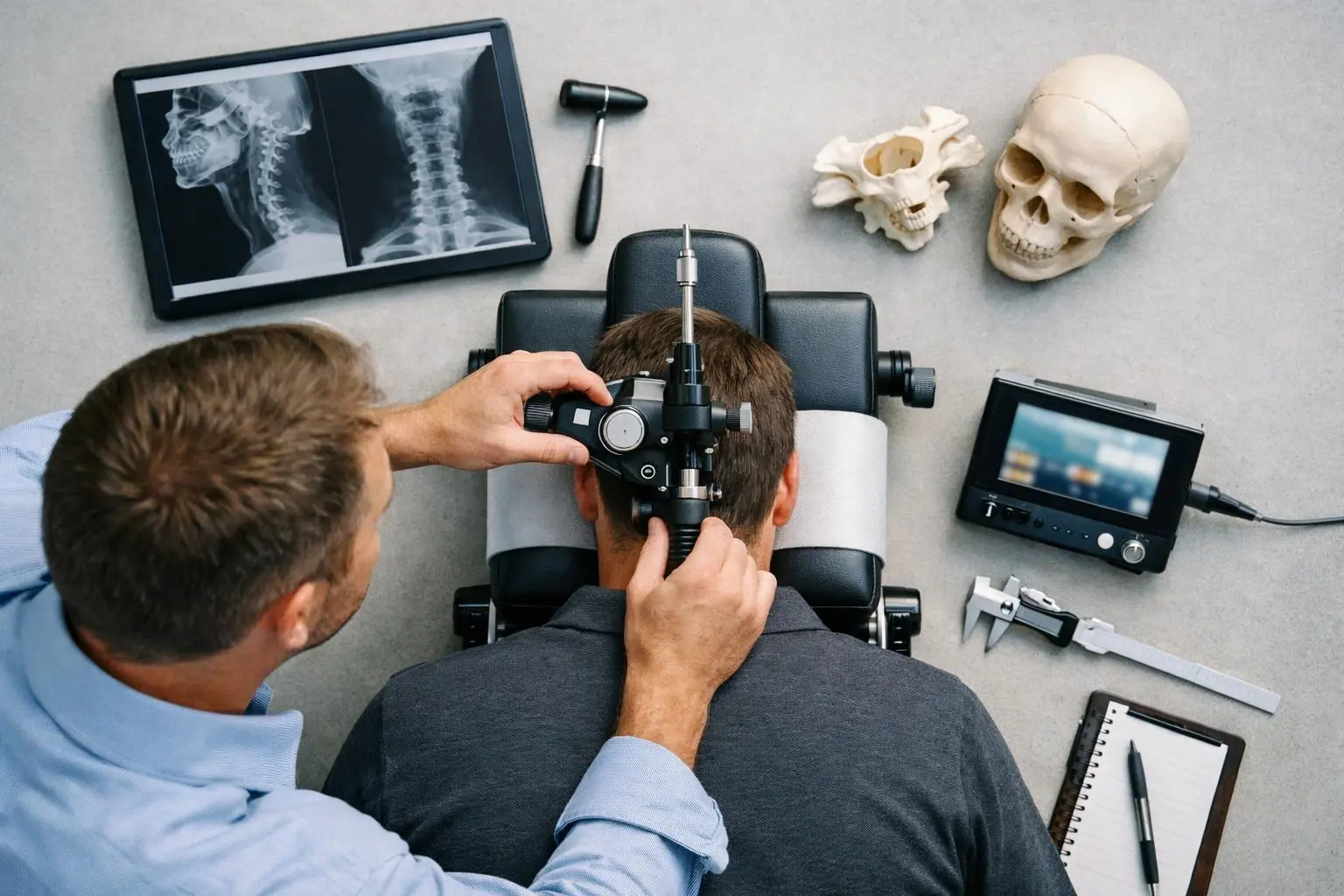
First, the doctor checks your neck carefully. They take X-rays to see the atlas bone. These pictures show how it moved.
The X-rays tell the doctor how far it shifted. They also show which way it moved. This helps plan the fix.
Then, the doctor uses a small tool. It's called an Atlas Orthogonal adjustor. It gives a quick, soft tap to your neck.
The tap pushes the atlas back in place. It doesn't hurt your muscles or ligaments.
The fix only takes a few seconds. It doesn't hurt at all. Many people feel better right away.
They might move their neck more easily. The tool is very exact. It won't push too hard or fix too much.
Sometimes, the doctor takes more X-rays. These show if the bone stayed in place. They help plan more fixes if needed.
This careful way helps people feel better longer.
Why Atlas Orthogonal Matters?
The atlas bone is very important. If it moves, it can cause many problems. These go beyond just neck pain.
The atlas surrounds the brainstem. Even a small shift can hurt nerves. It can also change blood flow.
People with bad headaches might feel better. So might those who feel dizzy. Some feel less tingling in their hands or feet.
This method also helps after neck injuries. It's good for whiplash from car crashes. It fixes the spine gently.
Some people don't like regular chiropractic care. Atlas Orthogonal is softer. It uses a tool, not hands.
This makes it good for kids and older people. It's also safe for those with weak bones. They might have osteoporosis or arthritis.
When the atlas is fixed, the body works better. People stand taller. They hurt less. Their health gets better overall.
When Atlas Orthogonal Matters Most?
Atlas Orthogonal helps after neck trauma. This includes whiplash from car accidents. It also helps after sports injuries.
These events can move the atlas. If not fixed, it can cause long-term pain. The body won't work right.
Some people try other chiropractic care first. But it doesn't always work. Atlas Orthogonal is more exact.
It uses less force. This can fix problems other methods can't.
It also helps with long-term issues. These include migraines and vertigo. Nerve pain might get better too.
For people in Duluth, GA, this is a special option. It helps with neck problems other care might miss.
It's exact and gentle. This makes it good for people who want a soft fix. It helps after injuries or long-term pain.
Patients can feel better. Their life gets better too.