Signs and symptoms of persistent lower back pain
Persistent lower back pain can feel different from person to person. We ask about where you feel symptoms and what brings them on.
- Aching or soreness in the lower back
- Stiffness when moving
- Pain after sitting
- Pain that returns with activity
- Pain spreading into a buttock or leg
- Numbness or tingling in a leg
When lower back symptoms need urgent medical care
Urgent warning signs with back pain need medical attention. Seek emergency care for new bladder or bowel control problems, numbness around the groin or inner thighs, or new or worsening leg weakness.
Seek prompt medical assessment for back pain with fever or after a serious injury. These symptoms need medical care rather than a routine chiropractic visit.
Common causes of recurring pain and stiffness
Recurring back pain can have several causes or triggers. We review your symptoms and movement to help decide what care may be appropriate.
- Muscle or ligament strain
- Disc or nerve irritation
- Changes in spinal joints
- Sitting for extended periods or repeated movements that aggravate symptoms
Why sitting can make the lower back hurt
Sitting for an extended period can leave your lower back feeling stiff or sore. Changing position and moving gently may help you feel more comfortable.
Pain after sitting can have more than one cause. We can assess symptoms that persist or spread into a leg and discuss whether medical referral is appropriate.
Can back pain treatment help with persistent lower back stiffness?
Yes, back pain treatment may help with stiffness when an assessment shows chiropractic care is appropriate. We discuss options based on your symptoms and refer you for medical care when needed.
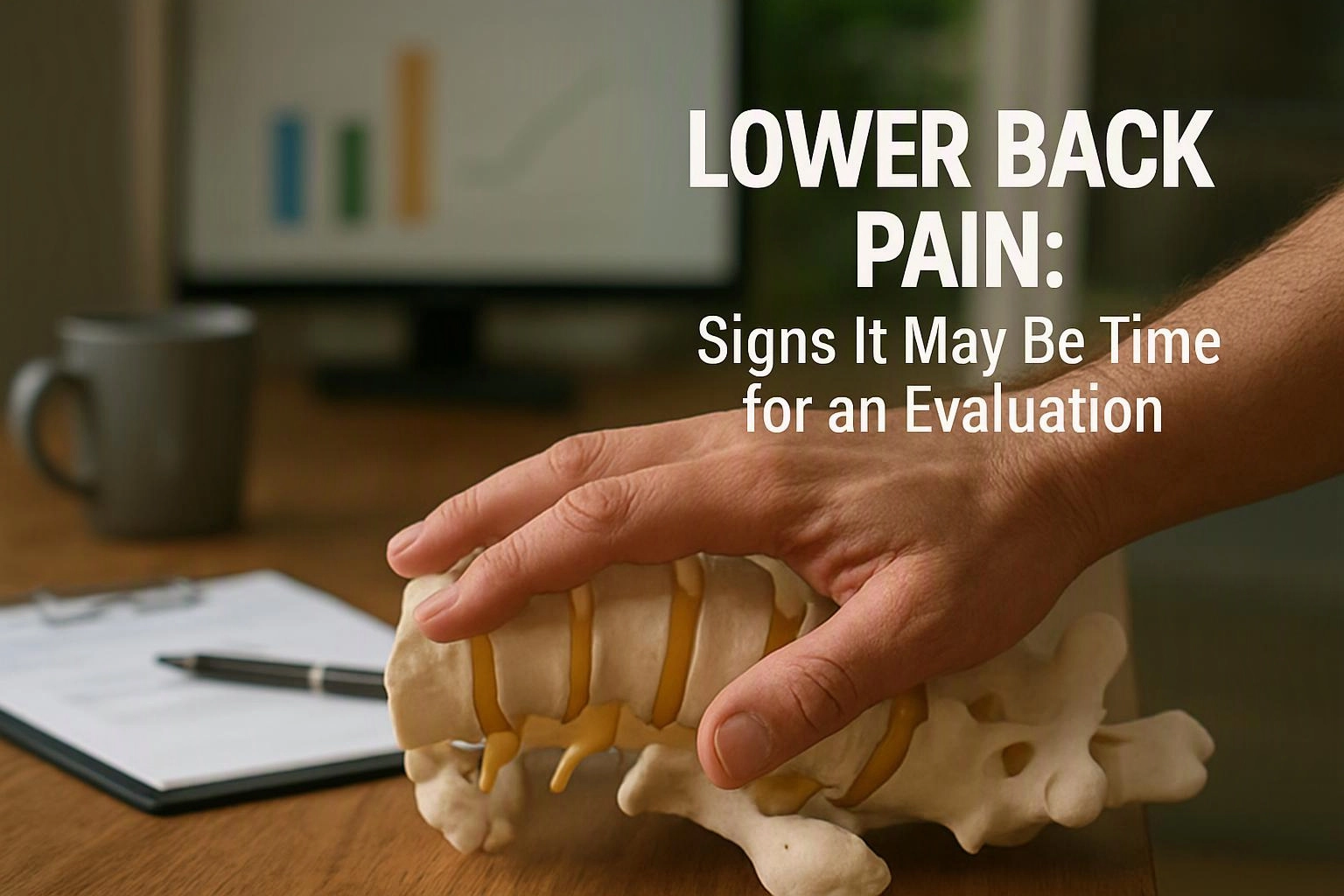
Our Back Pain Treatment starts with your health history and a review of your symptoms. We may discuss gentle movement advice or chiropractic treatment, depending on what we find.
When should back pain treatment include an assessment of returning symptoms?
Back pain treatment should include an assessment when pain keeps returning or limits daily activities. We review your symptoms and help determine the next step.
Tell us if pain spreads into a leg. We'll ask about your health history and movement, and discuss a medical referral when appropriate.
Ways to reduce strain and manage stiffness
Gentle movement and changes to daily habits can help manage lower back stiffness. Choose activities that feel comfortable and avoid pushing through worsening pain.
- Change positions during extended periods of sitting.
- Stay gently active within your comfort.
- Adjust daily activities that make symptoms worse.
- Discuss persistent or worsening symptoms with our team.
For ongoing lower back pain, contact Arrowhead Clinic - Duluth to discuss an assessment. We can explain the next step for your symptoms.
Request a QuoteQuestions about chiropractic care for lower back pain
What happens at a chiropractic visit for lower back pain?
A chiropractic visit starts with a discussion of your symptoms and health history. At Arrowhead Clinic - Duluth, we may assess movement and discuss suitable care or referral.
Will I need an X-ray for lower back pain?
Not everyone with lower back pain needs an X-ray. We consider your symptoms and findings when discussing whether imaging is appropriate.
What about my lower back pain visit changes the price?
The assessment and care you need can change the price of a lower back pain visit. Ask us for an exact quote and what it includes.
What Are the Key Specifications to Know?
- Topic Focus
- What to Do About Persistent Lower Back Pain and Stiffness
- Related Core Service
- Back Pain Treatment
How Does the Evaluation & Execution Process Compare?
| Evaluation Stage | Technical & Quality Criteria | Timeline Checkpoint |
|---|---|---|
| Topic | What to Do About Persistent Lower Back Pain and Stiffness | Back Pain Treatment |
| Related Service | Back Pain Treatment | What to Do About Persistent Lower Back Pain and Stiffness |